













FUEN Macar Toplulukları Çalışma Grubu, Bratislava’da toplantısını gerçekleştirdi
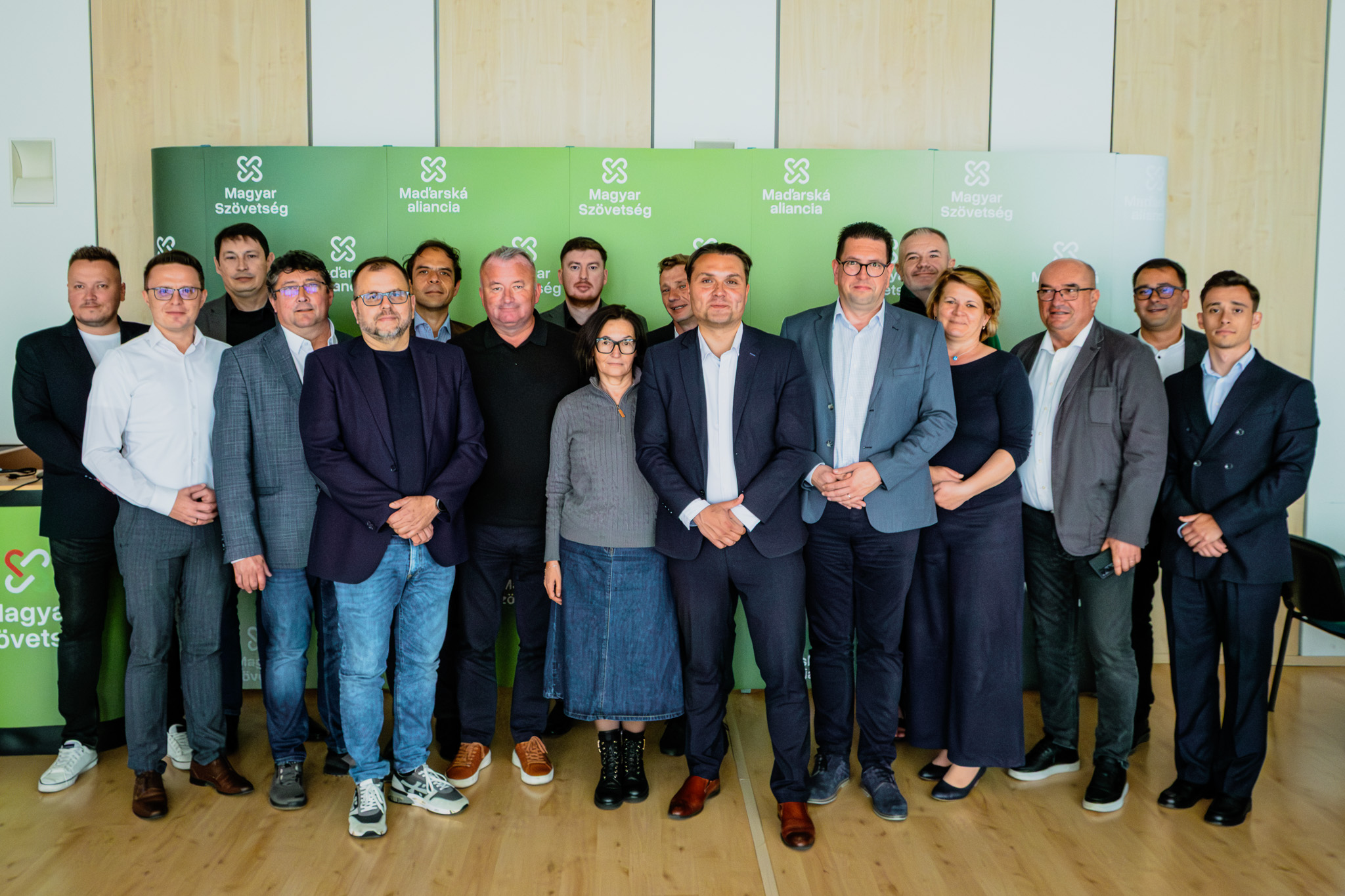
19.05.202615-17 Mayıs tarihleri arasında, Avrupa Milletleri Federal Birliği (FUEN) çatısı altında faaliyet gösteren Macar Toplulukları Çalışma Grubu (MKM), üçüncü yıllık çalışma toplantısını Slovakya’nın Bratislava kentinde düzenledi. Grubun inisiyatifiyle, Cuma akşamı Slovakya’daki Macar kuruluşlarıyla bir toplantı düzenlendi. Toplantıda Csemadok, Forum Enstitüsü, Komárno’daki Selye János Üniversitesi, Nitra’daki Constantine the Philosopher Üniversitesi Orta Avrupa Çalışmaları Fakültesi, Pro Civis ve Slovakya’daki Macar Üniversite Dernekleri Ağı temsilcileri faaliyetlerini sundu. MKM’nin amacı, sınır ötesindeki Macar kuruluşları ve kurumları arasındaki ilişkilerin şekillenmesinde aktif bir rol oynamaktır. Toplantının ardından, Macaristan’ın Bratislava Büyükelçisi Dr. Csaba Balogh katılımcıları selamladı.
Cumartesi günü yapılan çalışma oturumu, Avrupa Parlamentosu Milletvekili ve çalışma grubu başkanı Loránt Vincze’nin açılış konuşmasıyla başladı ve son dönemdeki en önemli ulusal politika gelişmelerine ilişkin bir güncelleme sundu. Macar İttifakı Başkanı László Gubík ise Bratislava’daki parti genel merkezinde yedi üye örgütün temsilcilerini ağırladı. FUEN Başkan Yardımcısı Balázs Tárnok, azınlıkların korunmasına yönelik Avrupa çatı örgütünün başkanlığının bugüne kadarki çalışmalarını sundu. Romanya Macar Demokratik İttifakı’nı (RMDSZ) Başkan Yardımcısı Anna Horváth; Slovakya Macar İttifakı’nı Başkan László Gubík ve Yönetim Kurulu Üyesi Péter Őry; Karpatya Macar Kültür Derneği’ni Başkan László Brenzovics; Voyvodina Macar İttifakı’nı (VMSZ) ise Yönetim Kurulu Üyesi Zsolt Szakállas temsil etti. Hırvatistan'daki Macarların Demokratik Topluluğu (HMDK) adına Başkan Róbert Jankovics ve Başkan Yardımcısı János Andócsi; Pomurje Macar Özerk Etnik Topluluğu (MMÖNK) adına Başkan Dusan Orban; ve Macar Yurttaş Gücü (MPE) adına Başkan József Kulcsár-Terza, kendi topluluklarının durumuna ilişkin bilgi verdi. Toplantıya, Ulusal Politika Devlet Sekreterliği Daire Başkanı Réka Brendus’un yanı sıra Ulusal Meclis Ofisi’nden Domokos Vékás ve Áron Léphaft da katıldı.
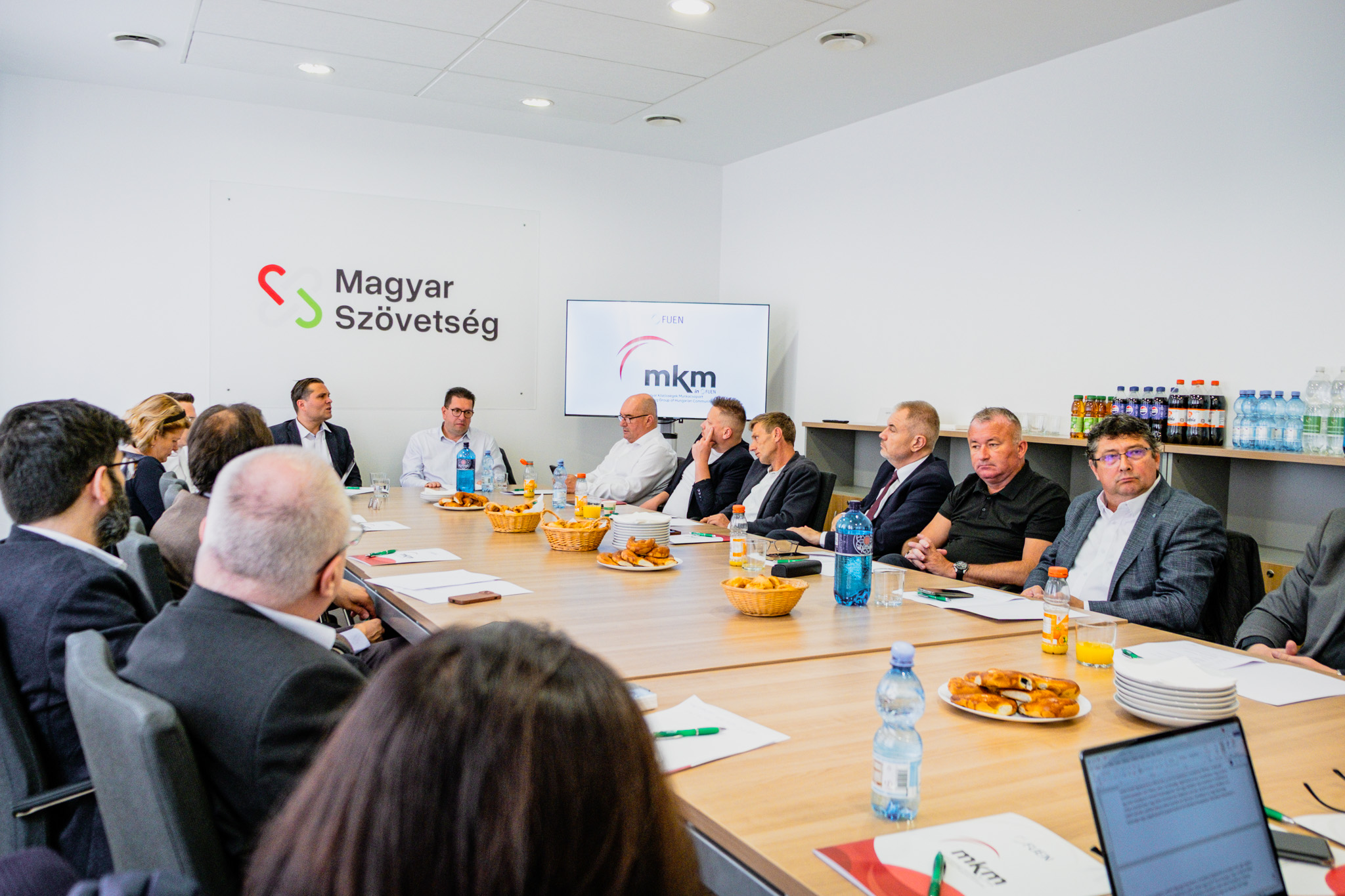
MKM, katılımcıların yeni Macar hükümetinin ulusal politikada süreklilik taahhüdünü memnuniyetle karşıladıkları ve güvenle not ettikleri bir bildiri kabul etti. Katılımcılar, son on yıllarda ulusal politika alanında elde edilen kazanımların korunmasını, güçlendirilmesini ve daha da geliştirilmesini bir öncelik olarak gördüklerini belirttiler; zira bu kazanımlar, yurtdışındaki Macar topluluklarının hayatta kalması ve büyümesi için önemli bir dayanak teşkil etmektedir. Ayrıca, Macar-Macar ilişkileri için forumların rolünü vurguladılar; Macaristan ve Almanya hükümetlerinin FUEN’e sağladığı tutarlı mali desteği takdirle karşıladılar ve teşekkür ettiler; ve Avrupa düzeyinde çıkarların savunulmasında FUEN ve Azınlıklar İntergrubun rolünü vurguladılar; bu konuda HUNINEU Vakfı’nın desteğine güvenmeye devam ettiklerini belirttiler. Aynı zamanda, üye kuruluşların gençlik örgütlerinin MKM faaliyetlerine dahil edilmesini tavsiye etmektedirler.
Açıklamada, toplu suçluluk ilkesine dayanan Beneš Kararnamelerinin 21. yüzyıl Avrupa’sında hâlâ bir referans noktası olarak kabul edilmesini kabul edilemez bulmakta ve Slovak hükümetine bu durumu bir kez ve sonsuza kadar çözüme kavuşturması çağrısında bulunmaktadırlar.
“Rusya’nın Ukrayna’daki saldırganlığı ve savaşı, özellikle de Subkarpatya’daki Macar topluluğuna yönelik saldırılar ile Macar topluluğunu etkileyen savaşın zorlukları konusunda derin endişelerimizi dile getiriyoruz. Subkarpatya’daki Macar kardeşlerimize tam dayanışmamızı temin ediyoruz. İnsan hayatlarını korumak ve topluluklarımızın geleceğini güvence altına almak için en önemli görevin, mümkün olan en kısa sürede barışı tesis etmek olduğuna yürekten inanıyoruz,” denilerek açıklama sonlandırıldı.
Basın bildirileri
- 8th Annual Meeting of the FUEN Working Group on Education: vocational education, minority languages and AI in focus
- FUEN, Brüksel’de AB kurumlarıyla azınlık meselelerini görüştü
- FUEN sergisi Avrupa Parlamentosu’nda açıldı: Azınlık dillerini Avrupa gündemine taşımak
- FUEN Eğitim Çalışma Grubu Eupen’de toplanıyor: Mesleki eğitim, azınlık dilleri ve yapay zeka odak noktasında
- FUEN 2026 Delege Meclisi, yapay zekâda azınlık dillerinin daha fazla dahil edilmesini talep ediyor
- FUEN Kongresi, coğrafi engelleme ve azınlık dillerinin korunmasını ele aldı
- FUEN Kongresi, Sağlık ve Sosyal Hizmetlerde Ana Dilde Hizmet Erişimini Ele Aldı
- FUEN Kongresi, Kamu Yayıncılığında Azınlık Dillerinin Geleceğine Odaklandı
- 70. FUEN Kongresi Helsinki/Helsingfors’ta açıldı
- Kültürel Kimliğin Korunması İçin: Fransa’daki Breton Topluluğu Örneği