













FUEN, Alman-Danimarka sınır bölgesindeki siyasi paydaşlar ve azınlık kuruluşlarıyla iletişimini güçlendiriyor
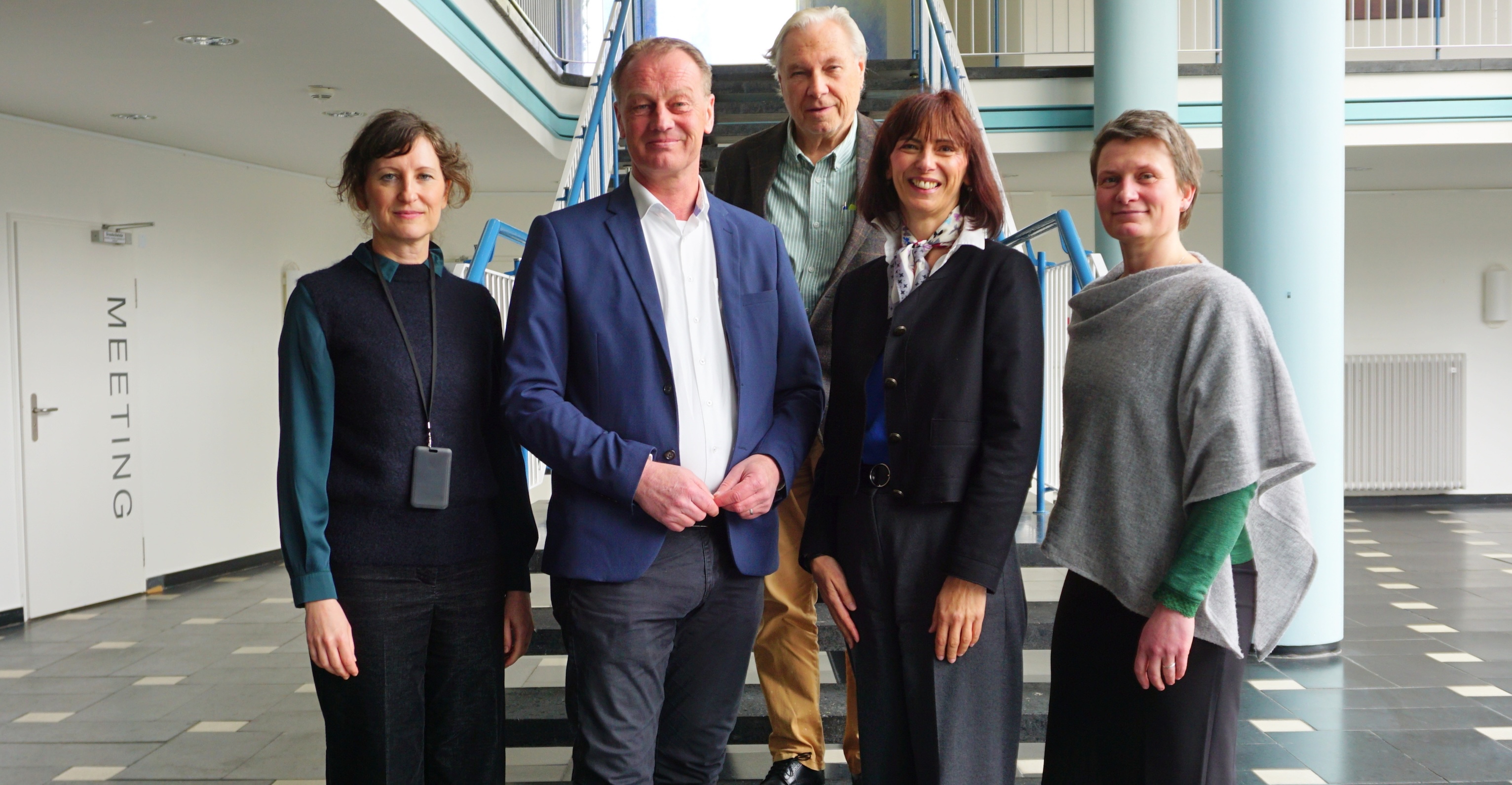
31.03.2026FUEN Başkanı Olivia Schubert, FUEN Başkan Yardımcısı Bahne Bahnsen ve FUEN Genel Sekreteri Éva Pénzes ile birlikte Schleswig-Holstein ve Alman-Danimarka sınır bölgesine yaptıkları ziyaret kapsamında, FUEN üyesi ve ortak kuruluşlarla bir dizi siyasi toplantı gerçekleştirdi ve görüş alışverişinde bulundu. Odak noktası, Avrupa'daki azınlık politikalarındaki güncel zorluklar, azınlıkların sahadaki durumu ve azınlık kuruluşlarının günlük çalışmalarındaki somut zorluklar oldu.
Ziyaret, 23-26 Mart tarihleri arasında gerçekleşti ve heyeti Flensburg, Oeversee, Kiel, Bredstedt ve Danimarka’daki Aabenraa/Apenrade’ye götürdü.
Program, Flensburg’daki Avrupa Azınlık Sorunları Merkezi’nde (ECMI) bir görüşmeyle başladı. ECMI Direktörü Prof. Dr. Vello Pettai ve ECMI’nin Eşitlik ve Kapsayıcılık bölümü başkanı ve kıdemli araştırmacısı Dr. Andreea Cârstocea ile yapılan görüşmelerde, Avrupa azınlık politikalarındaki güncel gelişmelerin yanı sıra ECMI ve FUEN arasında daha yakın işbirliği için olası başlangıç noktaları ele alındı. Görüşmede, araştırma ve uygulama arasındaki bağın güçlendirilmesinin potansiyeli vurgulandı.


24 Mart’ta, FUEN Başkanı, Akademiezentrum Sankelmark’ta düzenlenen Minderheiten-Kompetenz-Netzwerk (MKN) Genel Kurulu’na katıldı ve bu fırsatı Alman-Danimarka sınır bölgesindeki ulusal ve bölgesel azınlıklar ağına kendini tanıtmak için kullandı. Toplantı sırasında, FUEN Genel Sekreteri Éva Pénzes, MKN’nin eski saymanı sıfatıyla yıllık mali tabloyu ve 2026 bütçe planını sundu. Ardından yeni bir yönetim kurulu seçildi. Uwe Jessen başkan olarak onaylandı, Gösta Toft Éva Pénzes'in yerine geçti ve Matthäus Weiß, MKN yönetim kurulunda Sinti ve Romanların temsilciliğini üstlendi.

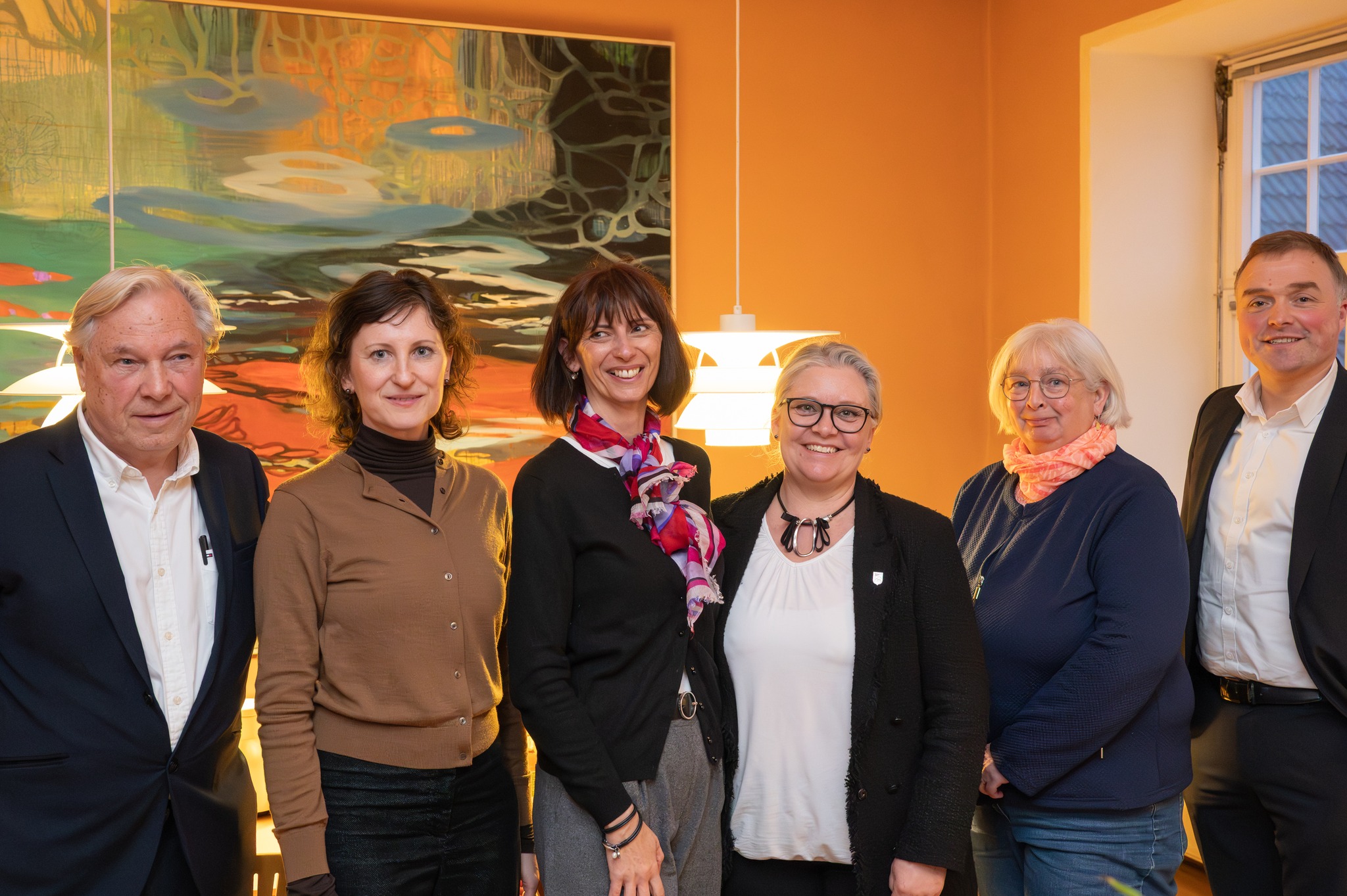
Ayrıca 24 Mart’ta FUEN heyeti, Flensborghus’ta Sydslesvigsk Forening (SSF) temsilcileriyle bir araya geldi. SSF, Schleswig-Holstein’daki Danimarka azınlığının ana kültür kuruluşudur ve hem kültürel bir kurum hem de savunuculuk organı olarak merkezi bir rol oynamaktadır. Katılımcılar arasında SSF Başkanı Gitte Hougaard-Werner, Başkan Yardımcısı Kirsten Vognsen Weiss, Genel Sekreter Lasse Rodewald ve Basın Sorumlusu Rasmus Meyer yer aldı. Görüşmede, diğer konuların yanı sıra, fonlama, medya ve coğrafi engelleme ile çoğunluk toplumu ve azınlıklar arasındaki ilişki ele alındı. Avrupa’daki farklı azınlıklar arasındaki değişim ve karşılaşmaların rolü de ele alındı.


25 Mart’ta ziyaret Kiel’de devam etti. Schleswig-Holstein Eyalet Başbakanlığı’nda FUEN heyeti, Başbakanlık Azınlıklar Komiseri Johannes Callsen ve Azınlık Politikaları Masası Sorumlusu Sonja Wolf ile görüştü. Görüşmede coğrafi engelleme, medya sektöründe azınlıkların güçlendirilmesi ve AB marka hukuku ile ilgili konular ele alındı. Özellikle, azınlık dillerinden terimlerin marka olarak tescil edilerek serbest kullanımının kısıtlandığı durumlar tartışıldı. Callsen ayrıca, uygulanmasında bölgesel ve azınlık dillerini dikkate almayı amaçlayan Dijital Hızlandırma Yasası'na değindi ve Schleswig-Holstein’ın ulusal azınlıkların Alman Temel Yasası’na entegre edilmesine verdiği desteğin altını çizdi.


Bunun ardından heyet, Schleswig-Holstein Eyalet Parlamentosu’nda Güney Schleswig Seçmenler Birliği (SSW) parlamento grubu başkanı Christian Dirschauer ile görüştü. Görüşmede Schleswig-Holstein’daki Dan azınlığın mevcut durumu ele alındı. Birçok yönü iyi işlerken, örneğin mahkemelerde azınlık ve bölgesel dillerin kullanımıyla ilgili devam eden zorluklar da mevcuttur. Belediyelerin azınlık raporlarının kaldırılması planı da eleştirel bir şekilde gündeme getirildi. Bir diğer önemli odak noktası ise Avrupa düzeyi ve mevcut etki olanaklarının nasıl daha etkili kullanılabileceği sorusuydu.
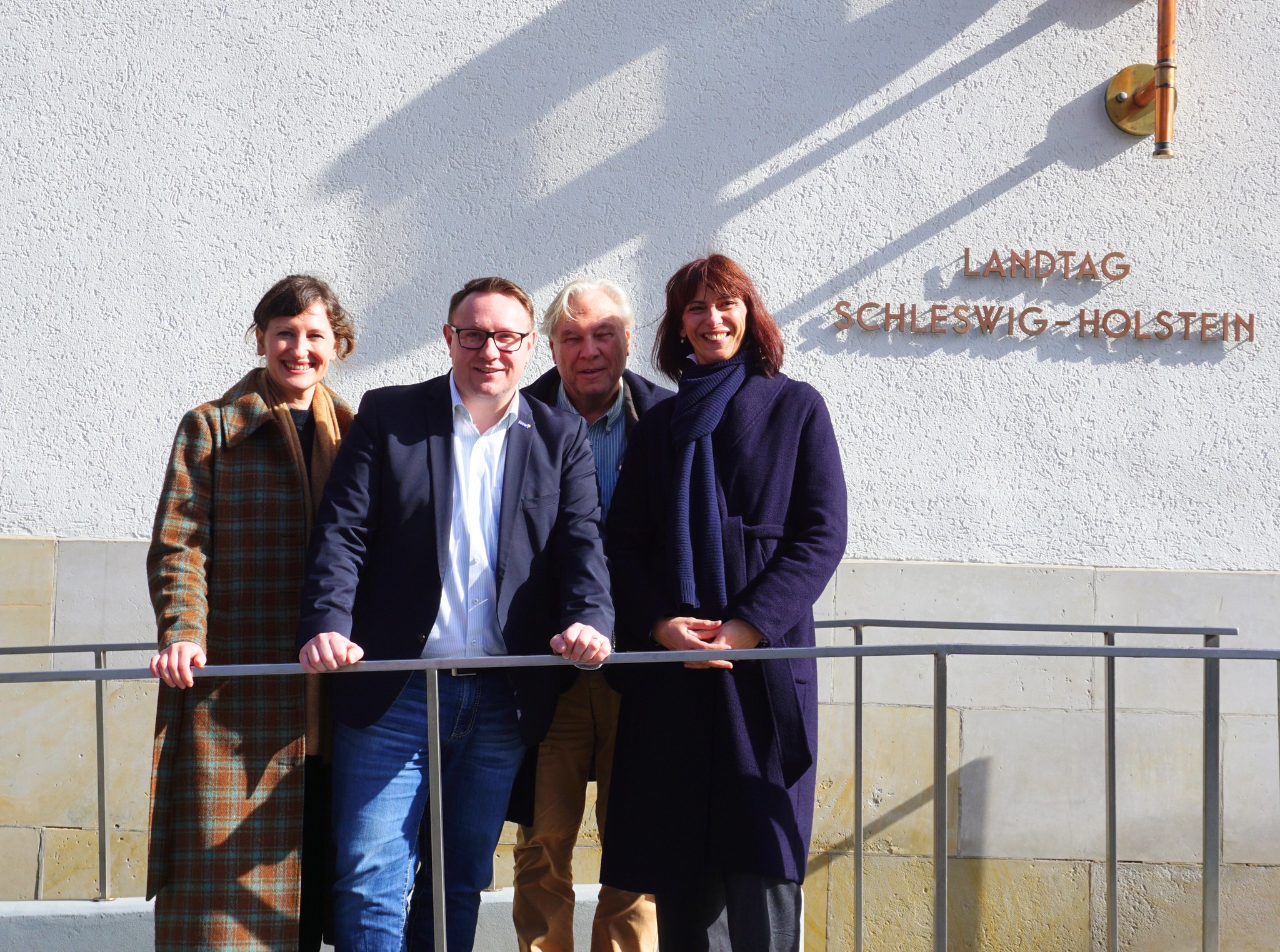


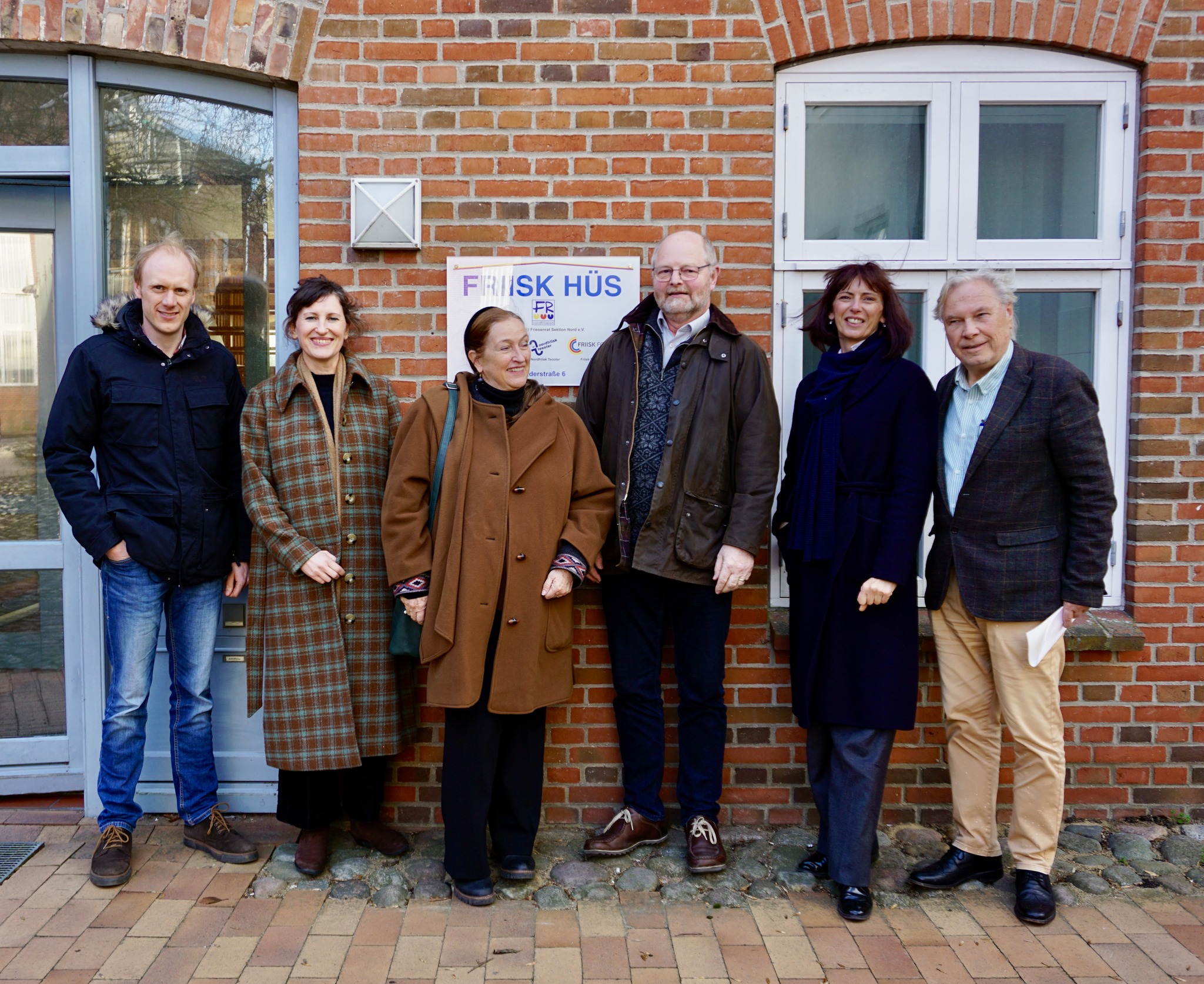
Aynı gün, FUEN heyeti Bredstedt/Bräist’teki Friisk Hüs’ü ziyaret etti. Orada, Friisk Foriining Başkanı Marie Hahn, Genel Müdür Ilwe Boysen, Nordfriisk Instituut Başkanı Ellin Nickelsen ve Frasche Rädj / Friesenrat Kuzey Bölümü Başkanı Ingwer Nommensen ile görüştüler. Görüşme, özellikle Amrum adasındaki Frizce dilinin adının ticari marka olarak tescil edildiği Öömrang davası olmak üzere, AB ticari marka hukuku üzerineydi. Katılımcılar, bu konuda siyasi eyleme ihtiyaç olduğu konusunda hemfikir oldular. Ayrıca, gençleri çekme ve gençlerin katılımını güçlendirme gibi zorluklar da dahil olmak üzere Frisian topluluğunun mevcut durumu ele alındı.

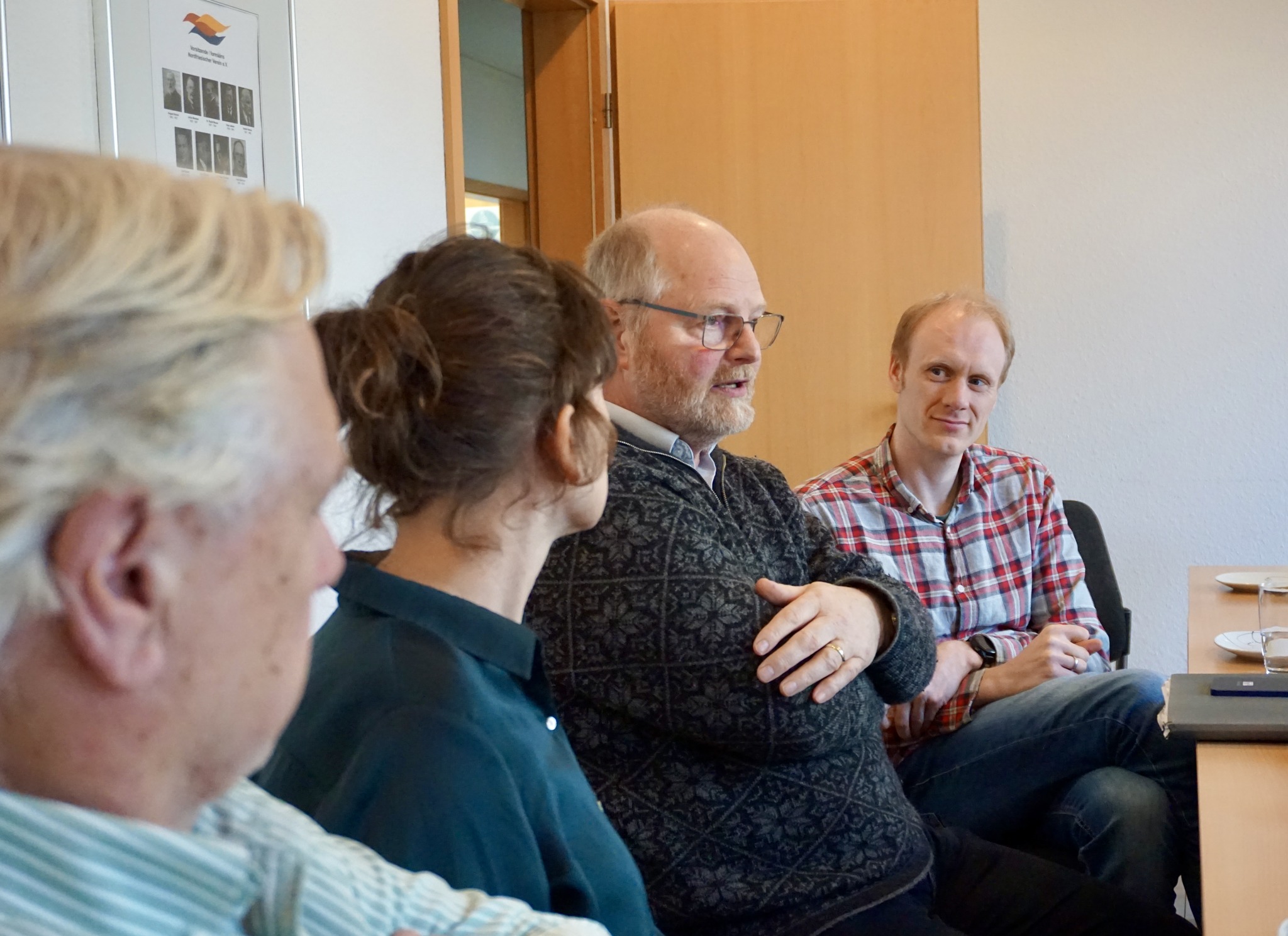
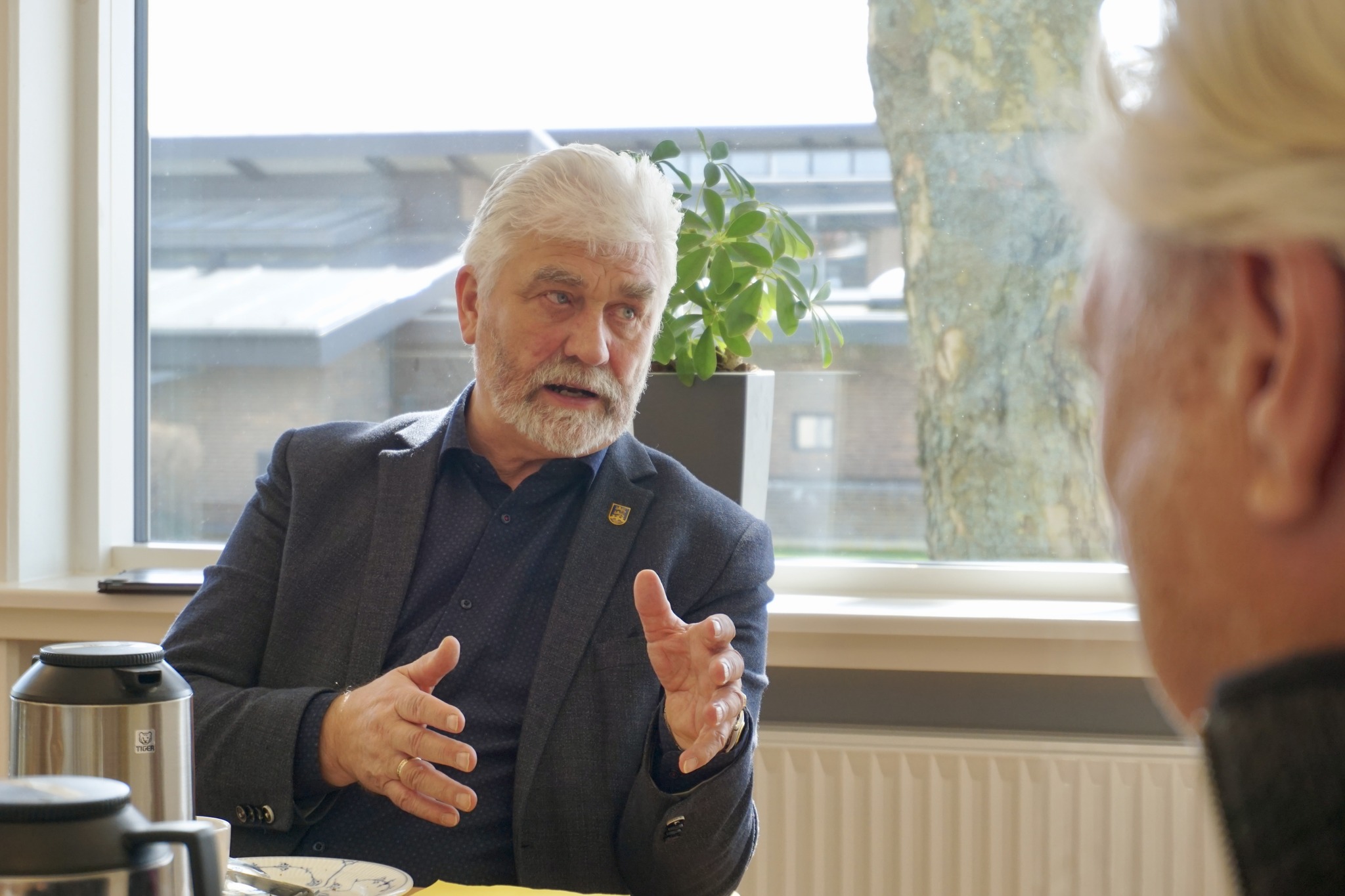
Ziyaret, 26 Mart’ta Danimarka’nın Aabenraa/Apenrade kentindeki Bund Deutscher Nordschleswiger (BDN) ile yapılan bir toplantıyla sona erdi. BDN Başkanı Hinrich Jürgensen ve Genel Sekreter Uwe Jessen ile yapılan görüşmelerde, Danimarka’daki Alman azınlığının çalışmaları ve yapısı sunuldu. Önemli bir odak noktası, geliştirilmesinin 2030 yılına kadar tamamlanması planlanan Apenrade Kampüsü oldu. Kuzey Schleswig Alman Lisesi arazisinde, bir yatılı okul, birleştirilmiş anaokulları ve ortak tesisler kurulacak. Heyet ayrıca, Kütüphane Müdürü Claudia Knauer tarafından Apenrade/Aabenraa’daki Alman Merkez Kütüphanesi ve Kütüphane Merkezi'nin sunumunu da içeren Haus Nordschleswig’in rehberli bir turunu aldı.

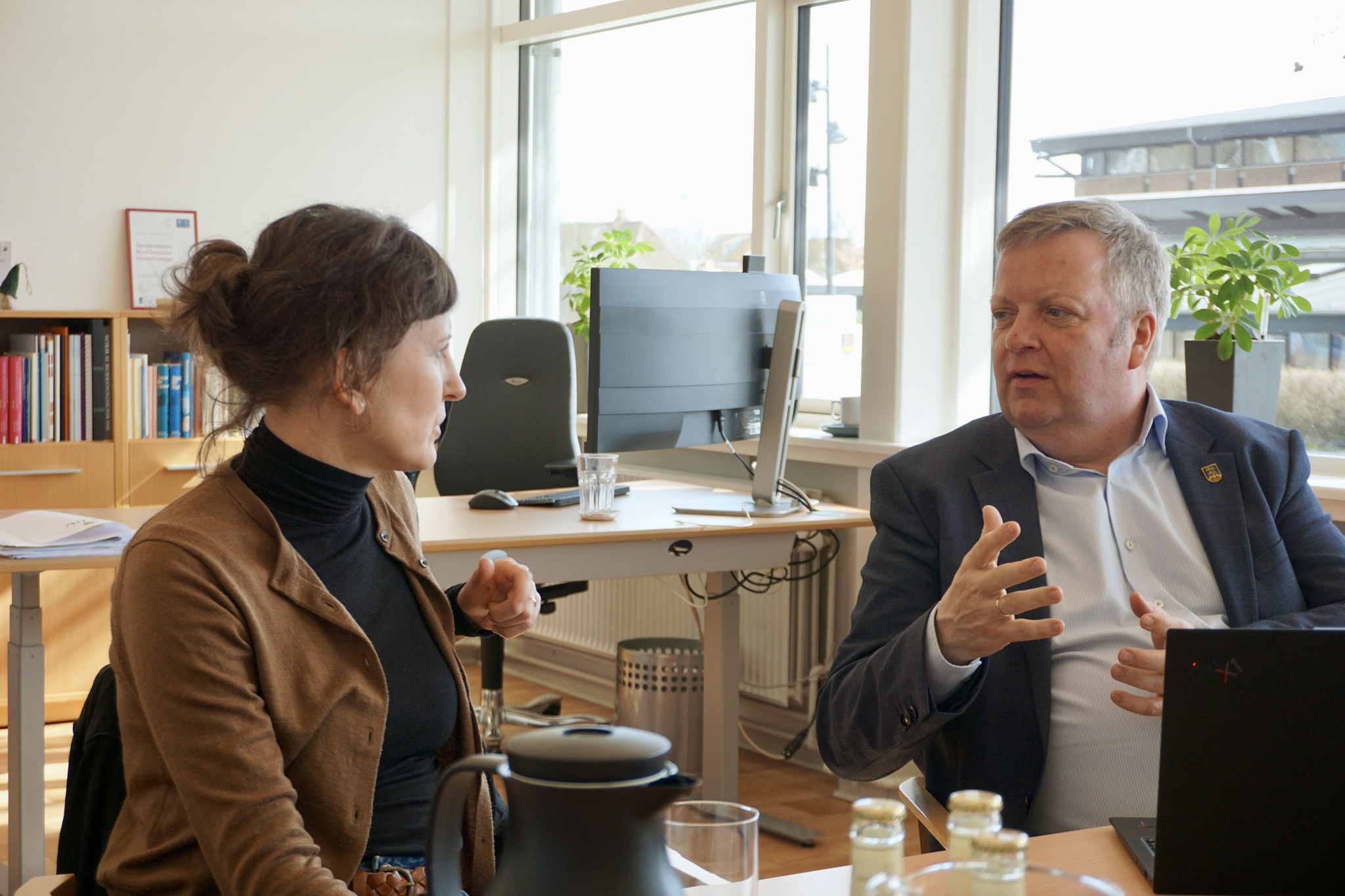
Tartışmalar, medya erişimi ve hukuki sorunlardan azınlıkların görünürlüğüne kadar uzanan birçok zorluğun, tek tek bölgelerin çok ötesine uzandığını ve Avrupa düzeyinde ele alınması gerektiğini açıkça ortaya koymuştur.
FUEN, elde edilen bilgileri devam eden çalışmalarına dahil edecek ve siyasi karar vericiler ve üye kuruluşlarıyla olan bilgi alışverişini derinleştirmeye devam edecektir.
Basın bildirileri
- 8th Annual Meeting of the FUEN Working Group on Education: vocational education, minority languages and AI in focus
- FUEN, Brüksel’de AB kurumlarıyla azınlık meselelerini görüştü
- FUEN sergisi Avrupa Parlamentosu’nda açıldı: Azınlık dillerini Avrupa gündemine taşımak
- FUEN Eğitim Çalışma Grubu Eupen’de toplanıyor: Mesleki eğitim, azınlık dilleri ve yapay zeka odak noktasında
- FUEN 2026 Delege Meclisi, yapay zekâda azınlık dillerinin daha fazla dahil edilmesini talep ediyor
- FUEN Kongresi, coğrafi engelleme ve azınlık dillerinin korunmasını ele aldı
- FUEN Kongresi, Sağlık ve Sosyal Hizmetlerde Ana Dilde Hizmet Erişimini Ele Aldı
- FUEN Kongresi, Kamu Yayıncılığında Azınlık Dillerinin Geleceğine Odaklandı
- 70. FUEN Kongresi Helsinki/Helsingfors’ta açıldı
- Kültürel Kimliğin Korunması İçin: Fransa’daki Breton Topluluğu Örneği