











Digital Presence of Minority Languages: NKS Annual Meeting in Fryslân Discusses Visibility, AI and the Future of Smaller Languages
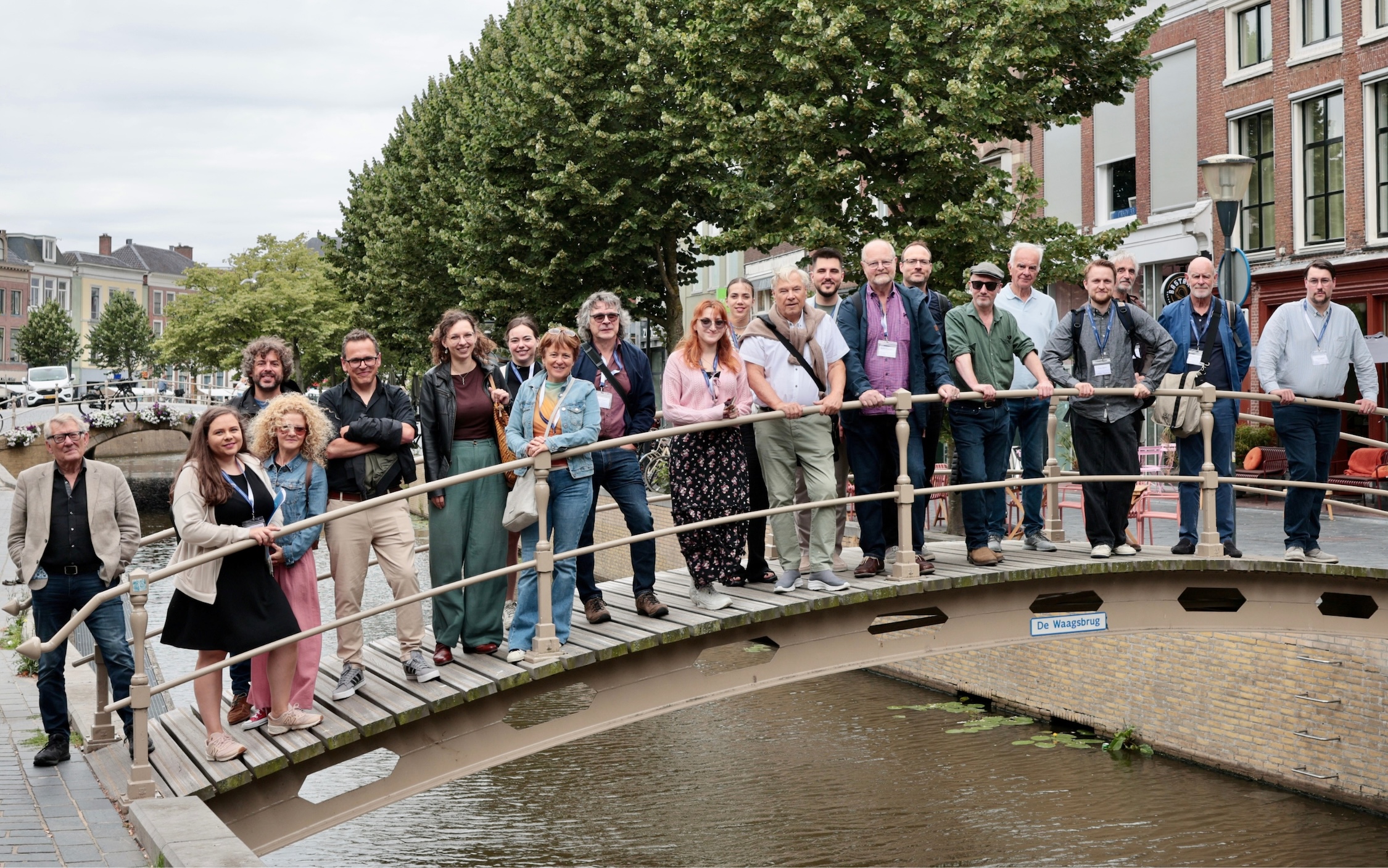
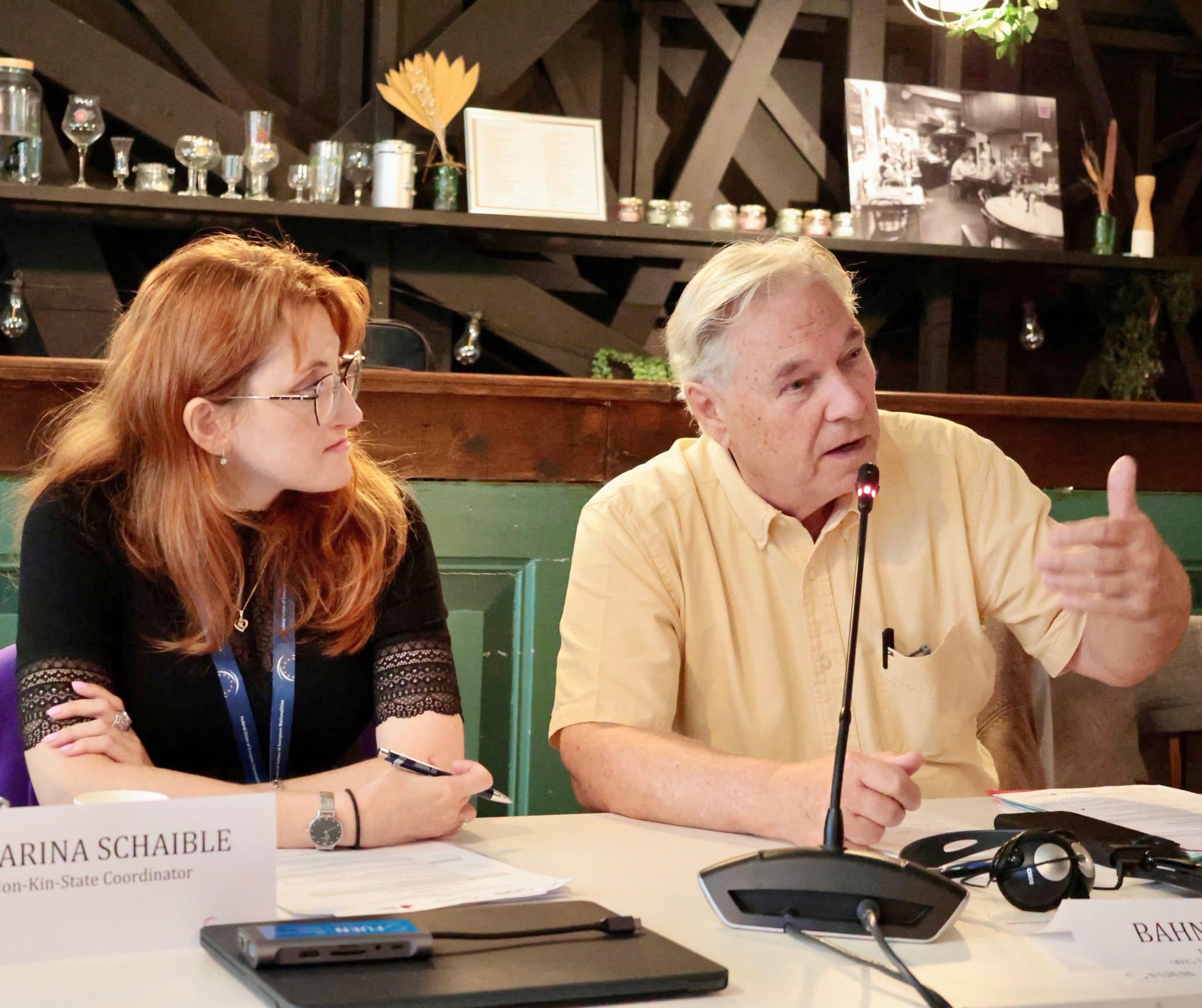
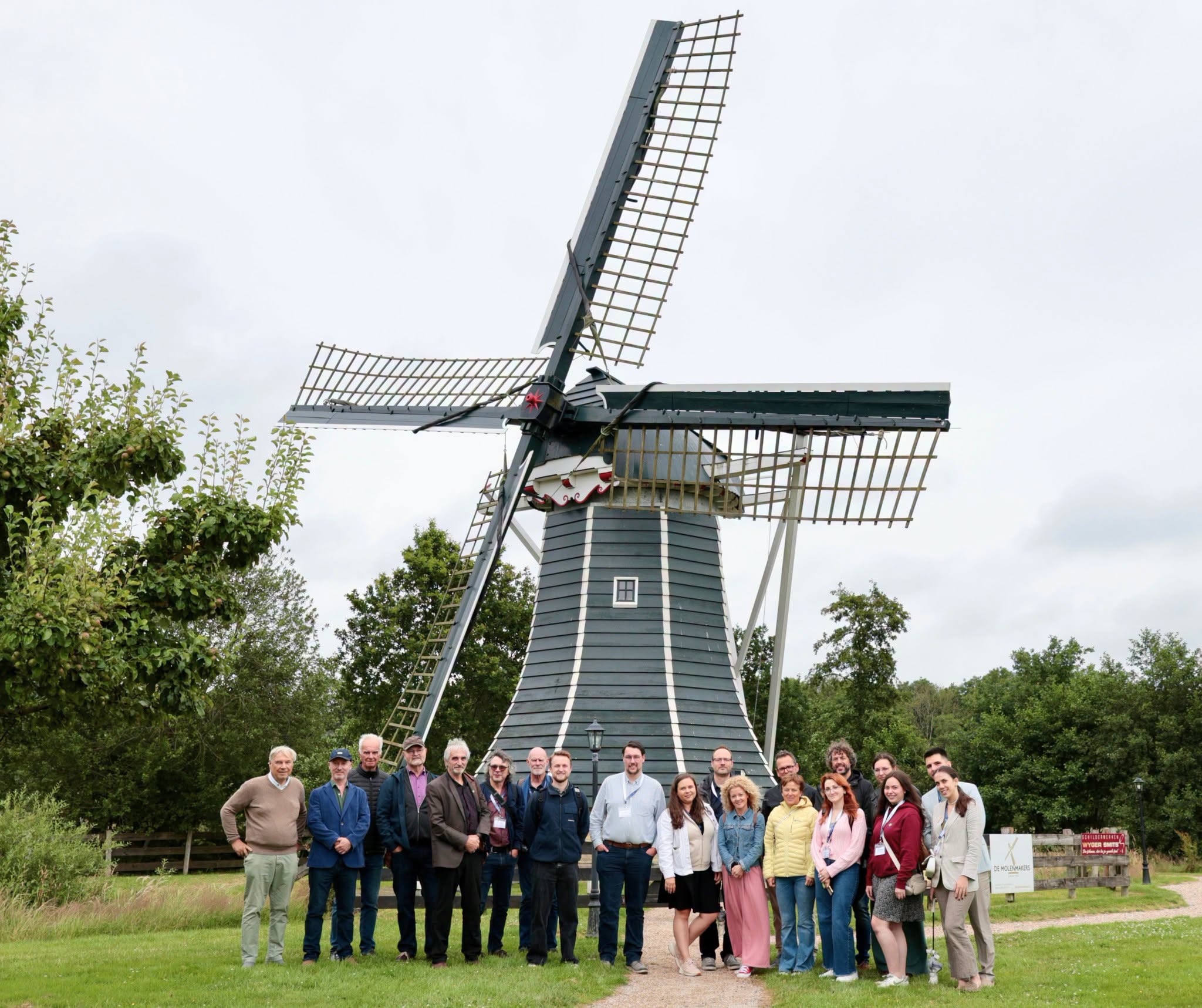
12.07.2026“A language lives when people use it.” With this thought, FUEN Vice President and Spokesperson of the FUEN Non-Kin-State Working Group (NKS), Bahne Bahnsen, summed up the central debate of the 10th NKS Annual Meeting. From 2 to 5 July, around 20 representatives of national minorities without a kin-state gathered in Ljouwert/Leeuwarden in Fryslân/Friesland (Netherlands) to discuss shared challenges, current developments and the digital future of smaller languages.
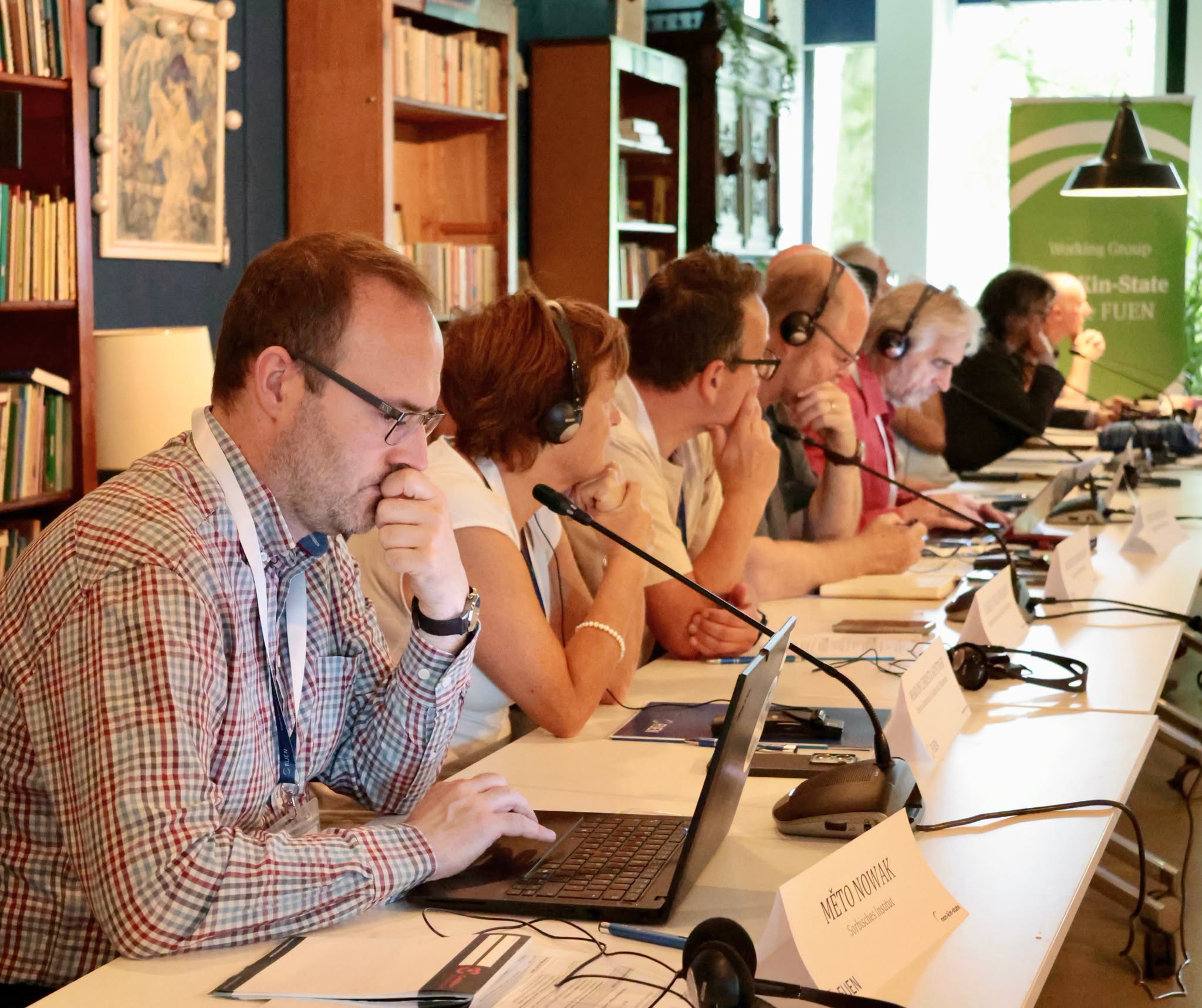
The meeting was hosted by De Fryske Beweging, the Frisian FUEN member organisation that works to promote the West Frisian language and culture. It took place at Tresoar, the Frisian historical and literary centre in Leeuwarden. The main theme was “The digital presence of minority languages”: How can smaller languages remain visible and usable in apps, media, public administration, education, artificial intelligence and the everyday lives of young people?
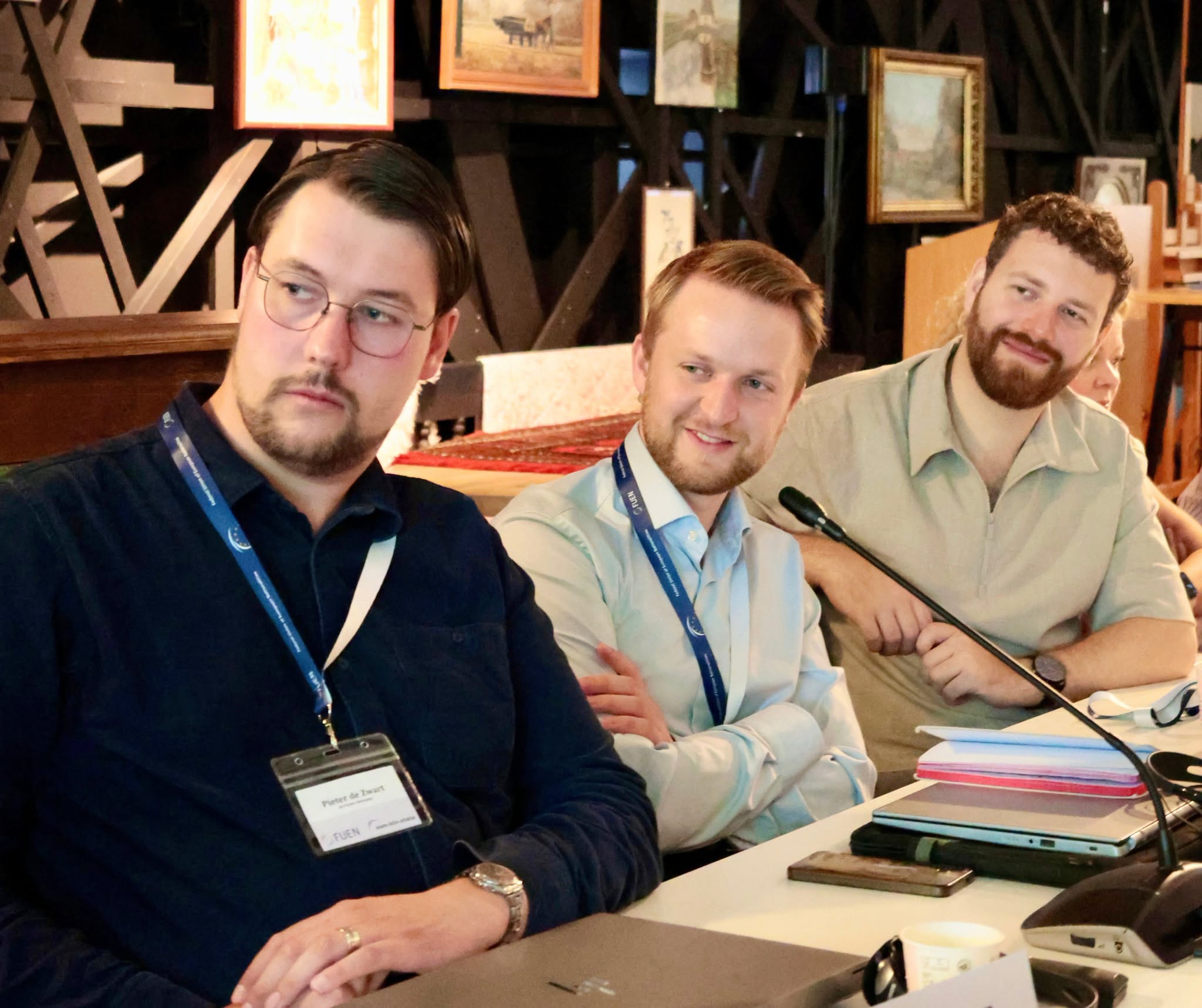
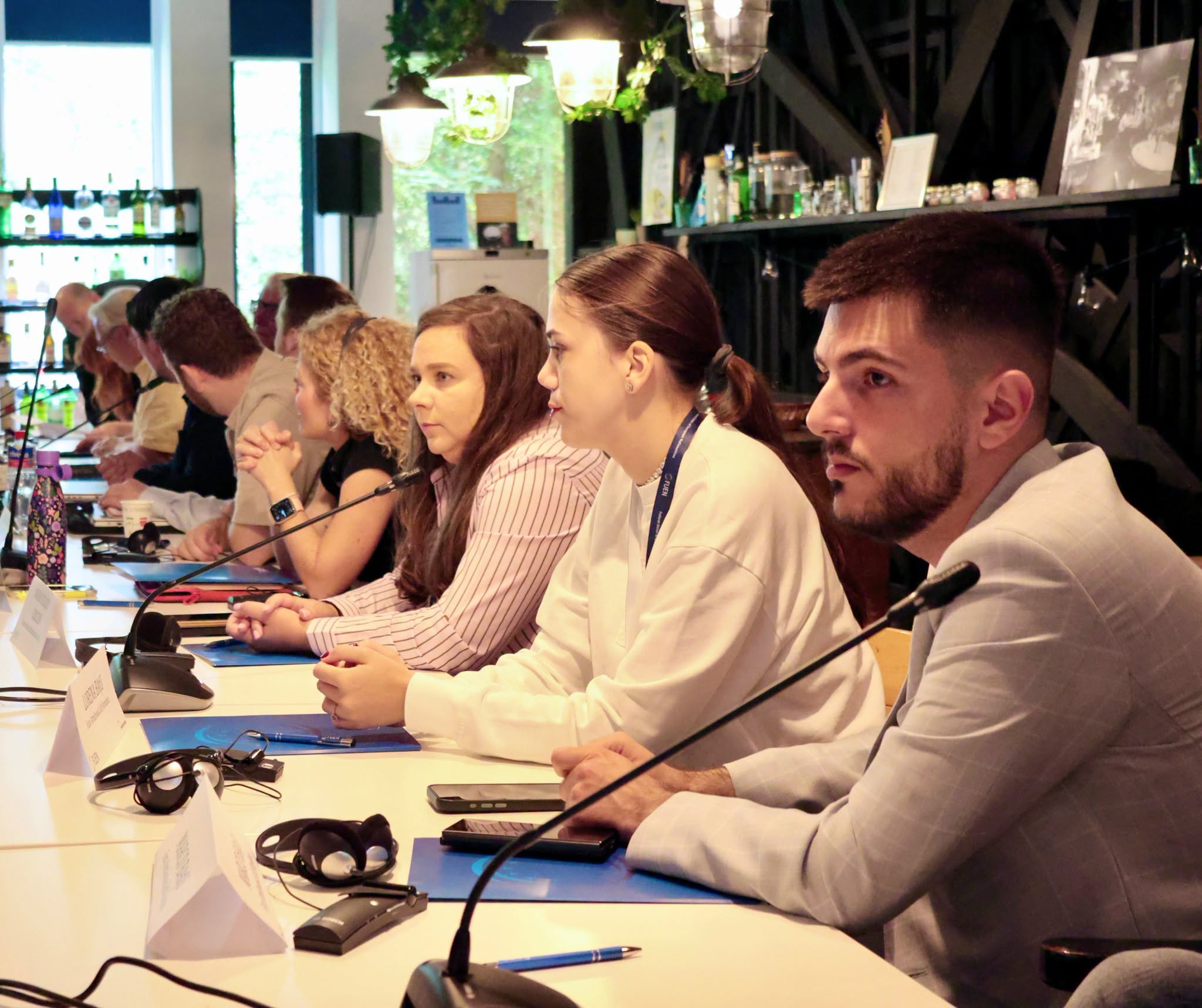
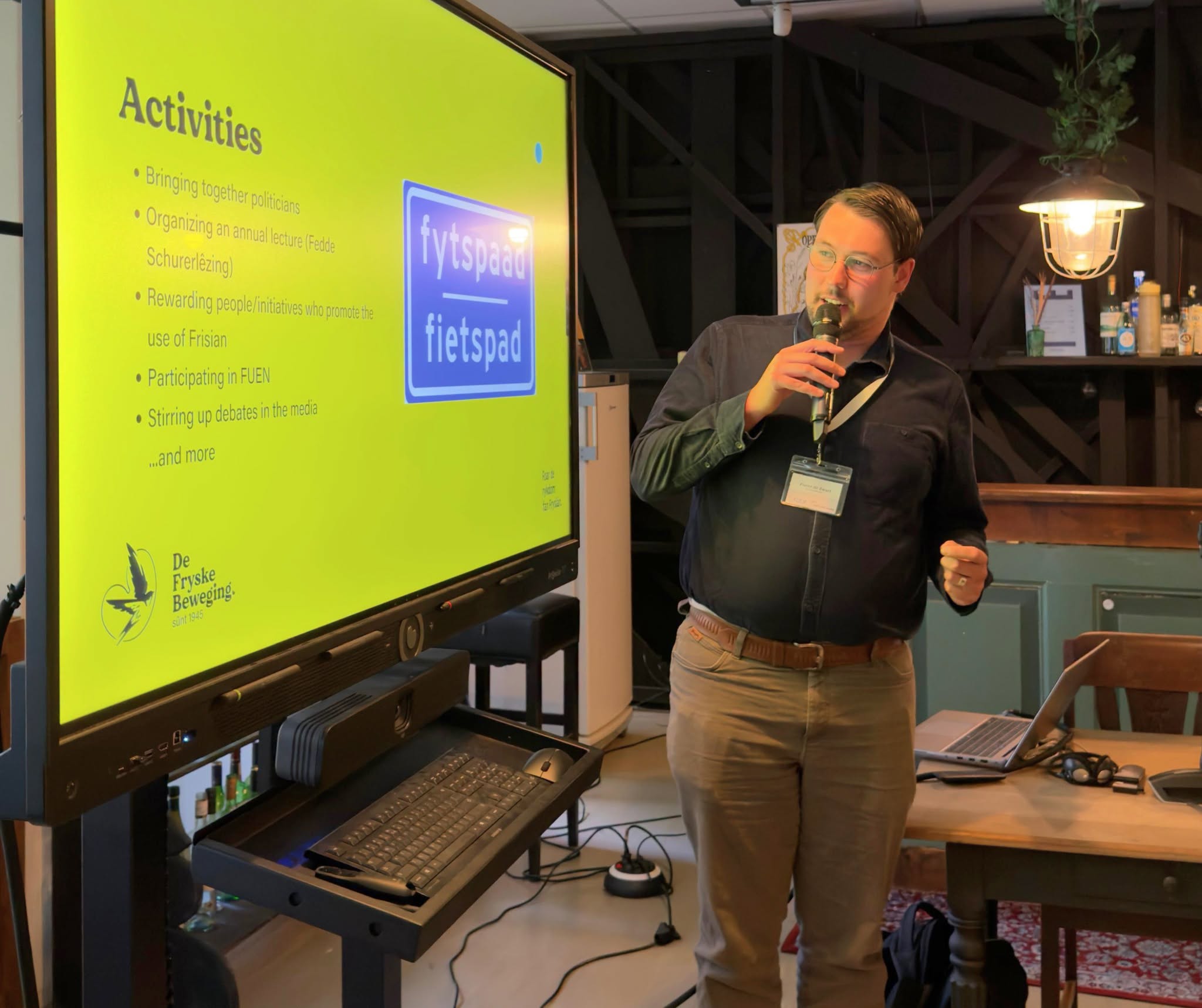
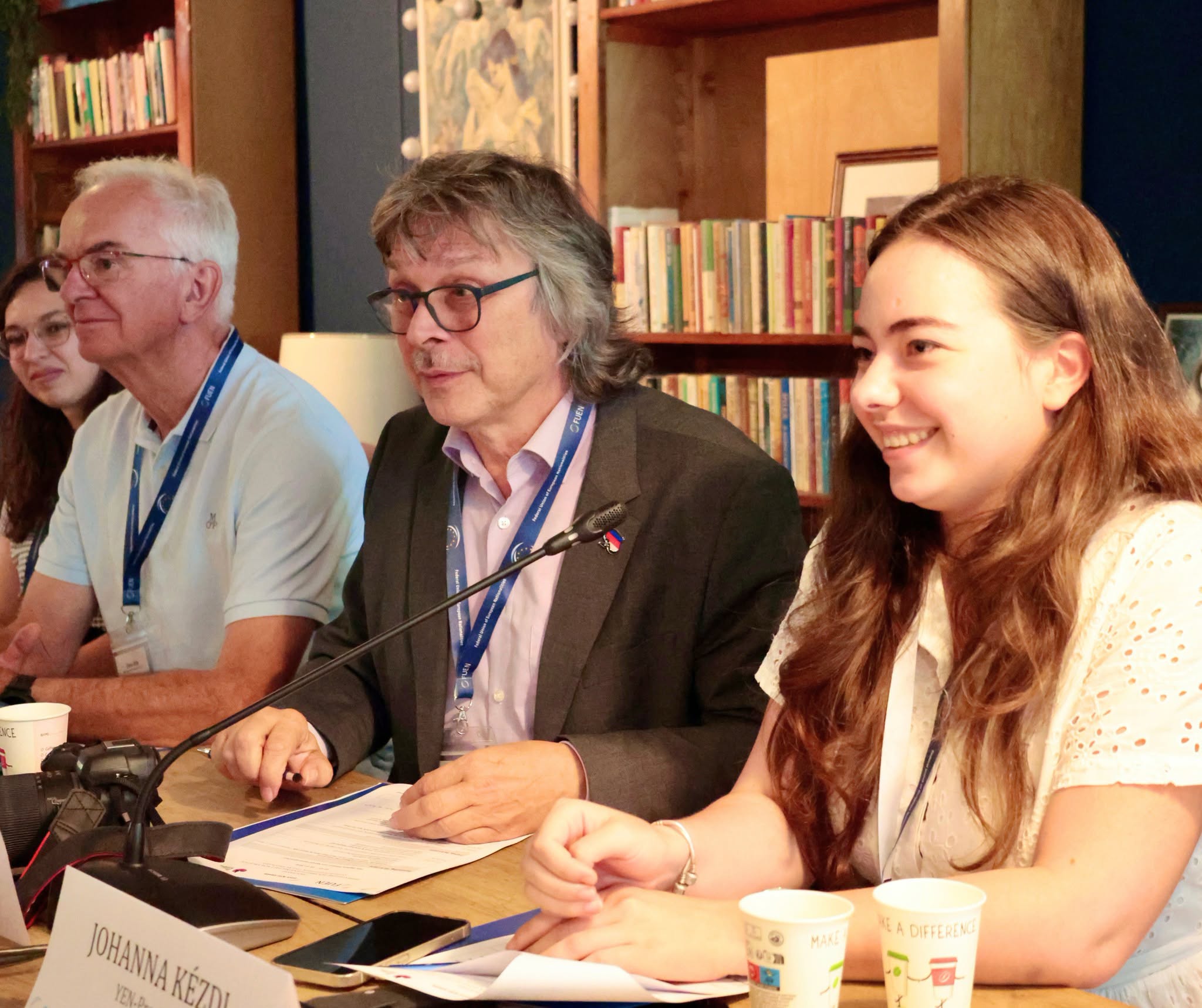
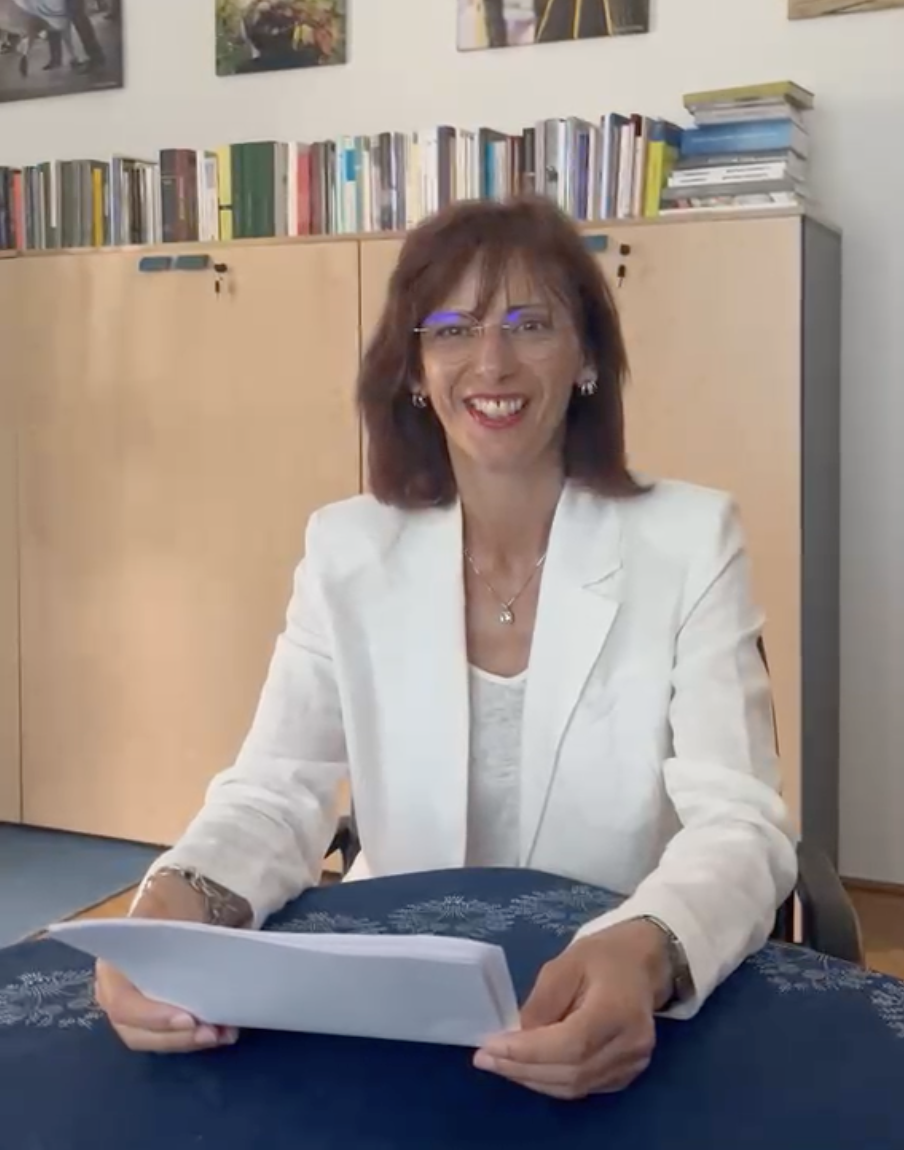
The official opening featured speeches by Bahne Bahnsen and Sjirk Eildert Bruinsma, Chair of De Fryske Beweging, as well as a video message from FUEN President Olívia Schubert. Froukje de Jong from Steatekomitee Frysk, the Committee for the Frisian Language of the Province of Fryslân, and Gerda Bos, alderwoman in Noardeast-Fryslân, also welcomed the participants. During the first working session, Pieter de Zwart presented the work of De Fryske Beweging, followed by an introduction to the Frisians by researcher John Frederiksen.
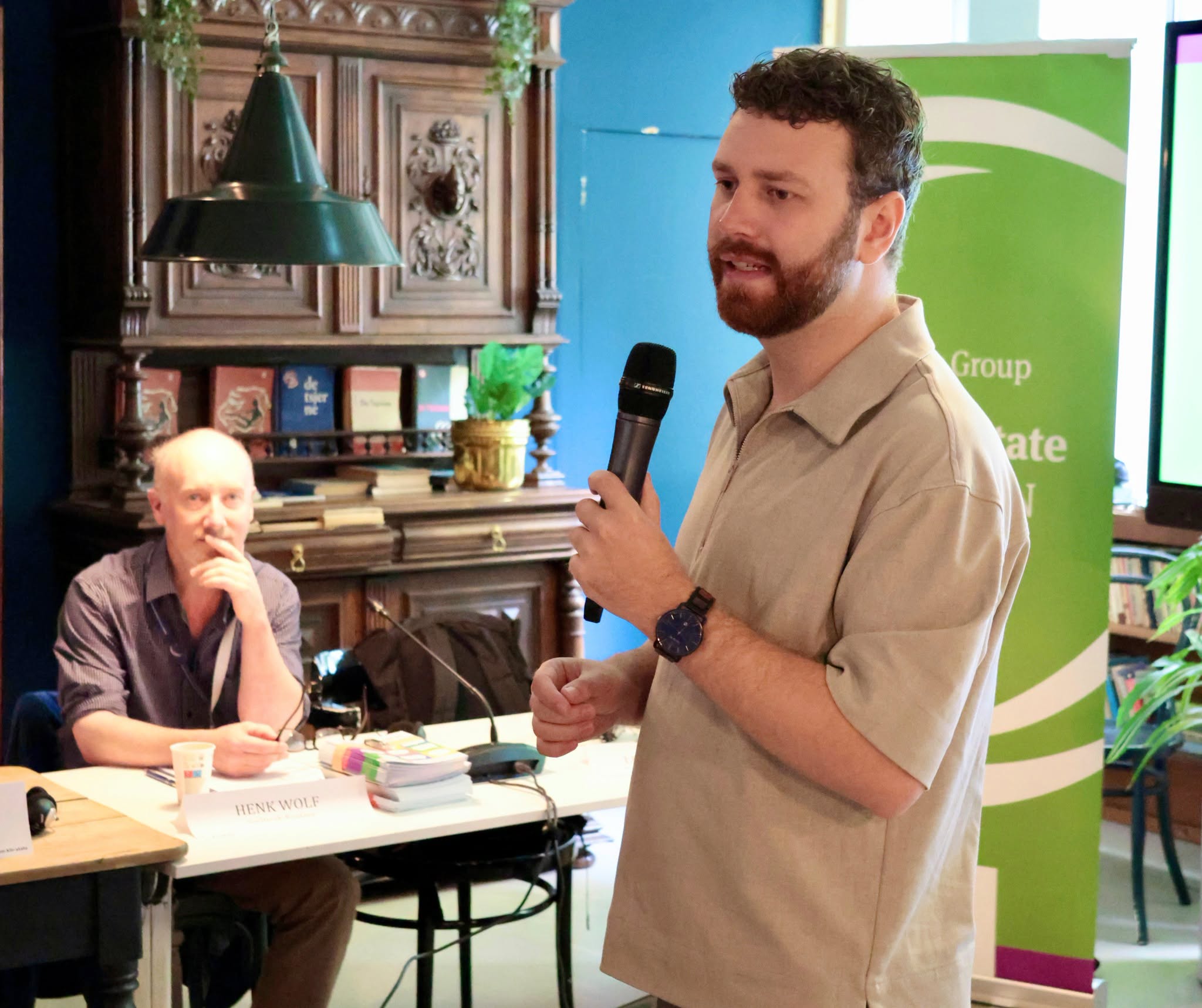
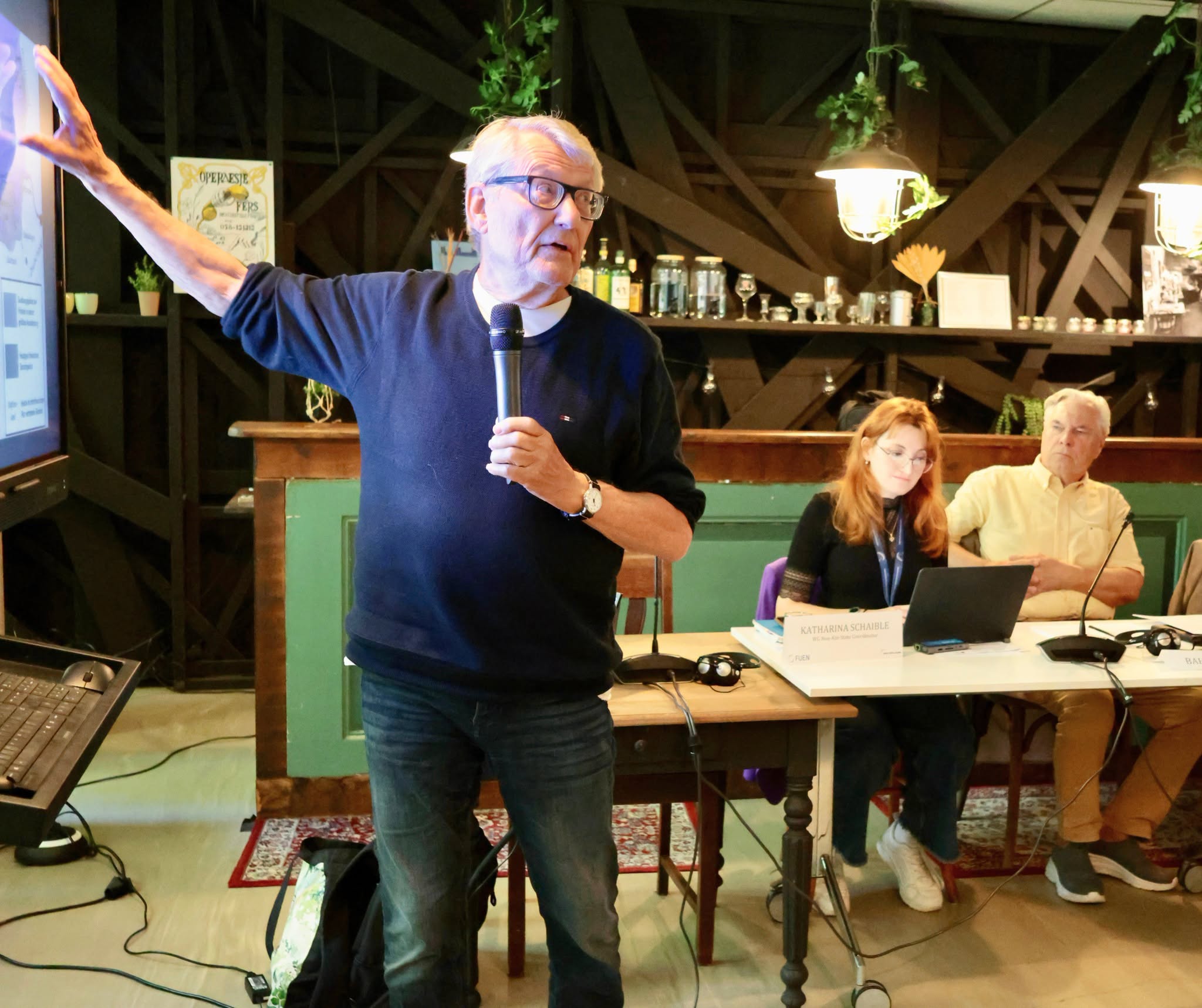
In her welcome address, Froukje de Jong referred to the particular language policy situation in Fryslân. She emphasised that all political parties represented in Steatekomitee Frysk work together to support the Frisian language. “We need one voice in Brussels instead of several voices in order to get where we want to go”, she said, referring to European cooperation on minority languages. She also highlighted the goal of making the province fully bilingual by 2051.
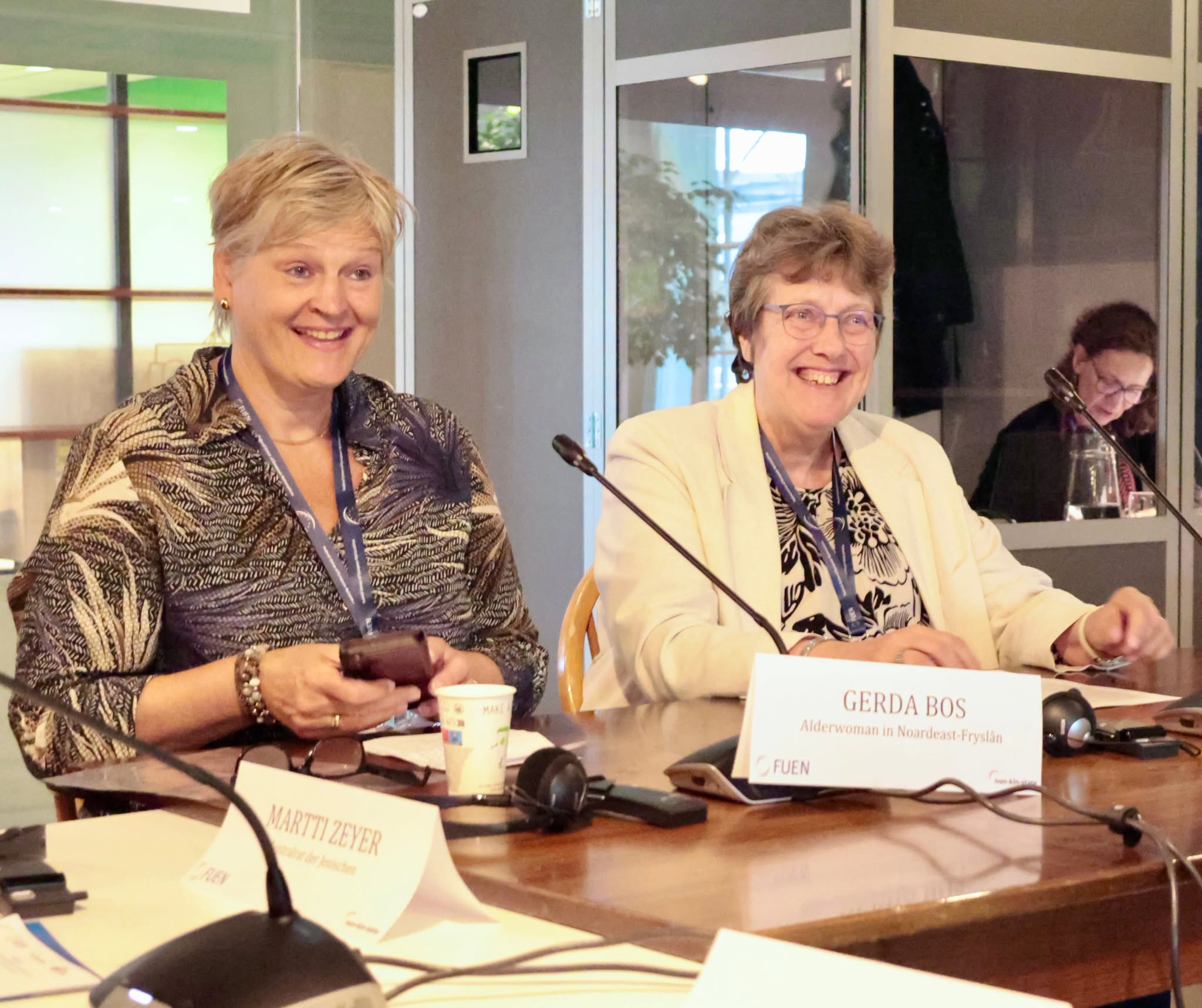
In her video message, FUEN President Olívia Schubert also placed the meeting within a broader European context. For ten years, the Non-Kin-State Working Group has connected communities that are often geographically far apart but face similar questions. New technologies bring challenges, but also opportunities: minority languages must not only be present in schools and cultural institutions, but also in modern communication and everyday life.
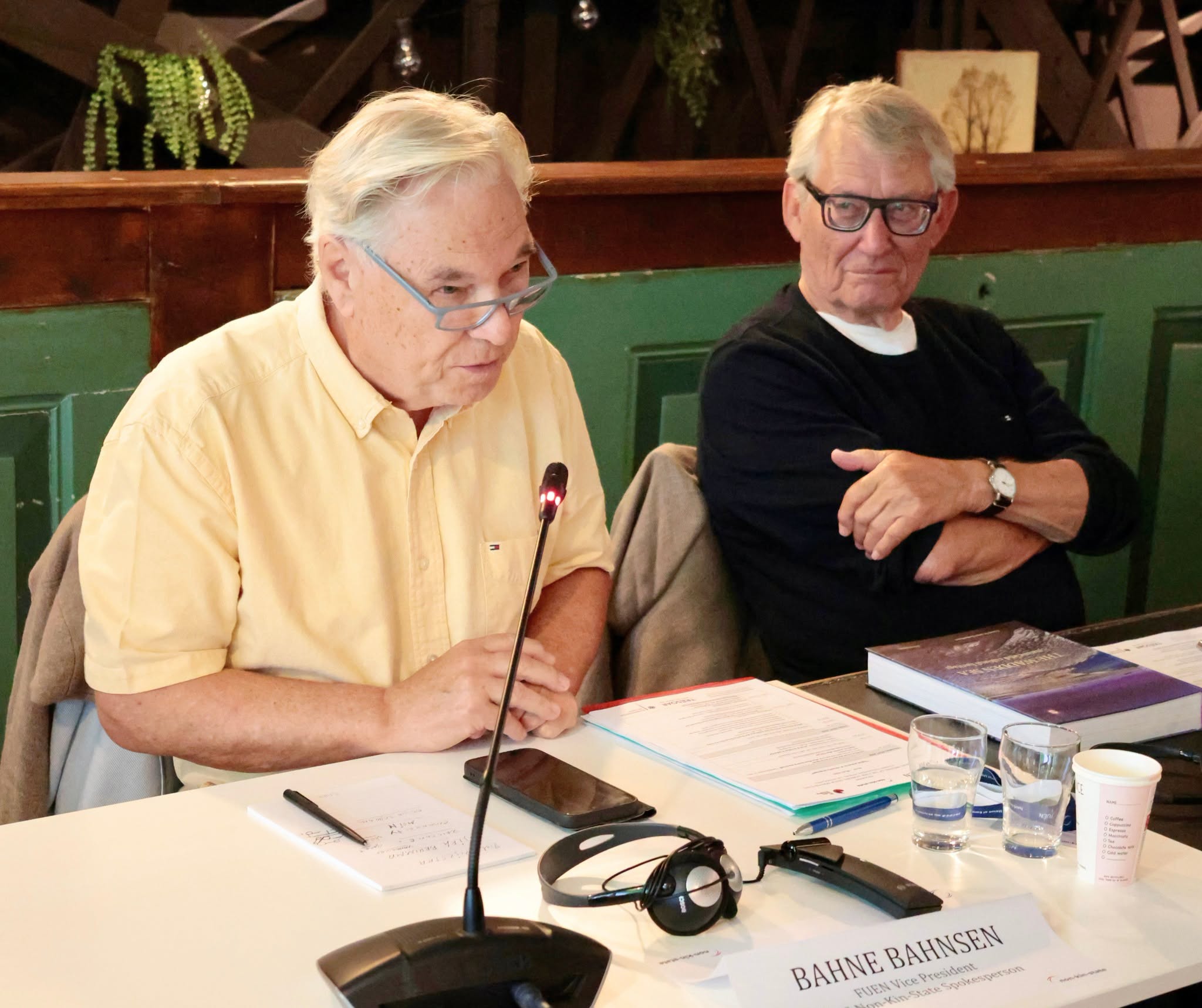
In his opening address, Bahne Bahnsen drew on his own North Frisian experience. Fryslân was a special place, he said, because it demonstrated that a minority language could have a visible place in public life, a sense of confidence and a role in everyday life. He also recalled the long Frisian tradition of freedom and self-government. This idea gained particular historical resonance during the weekend of 4 July, in the year marking the 250th anniversary of American independence. Referring to artificial intelligence, Bahnsen stressed that technology could make work easier, but could not replace a community.
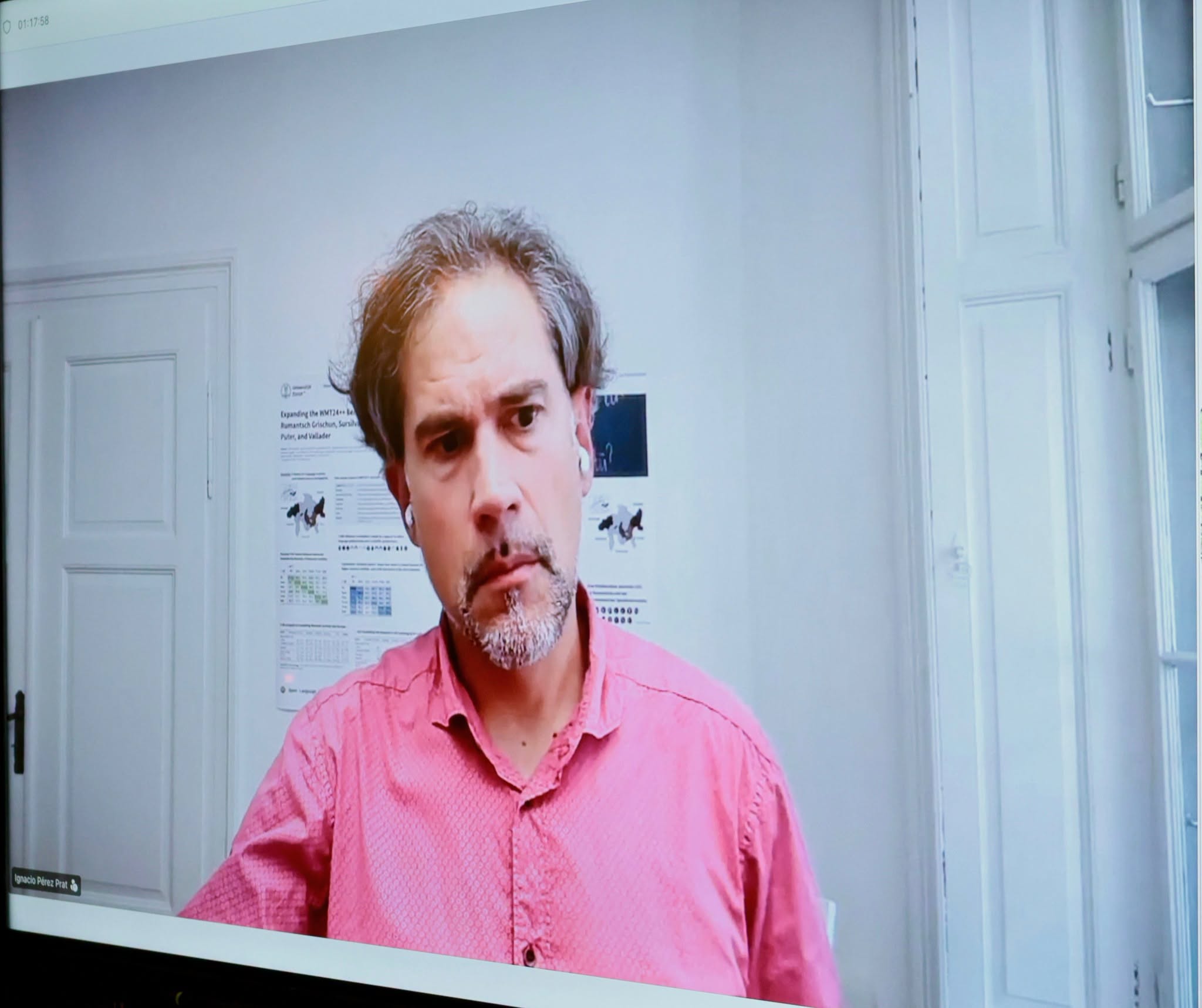
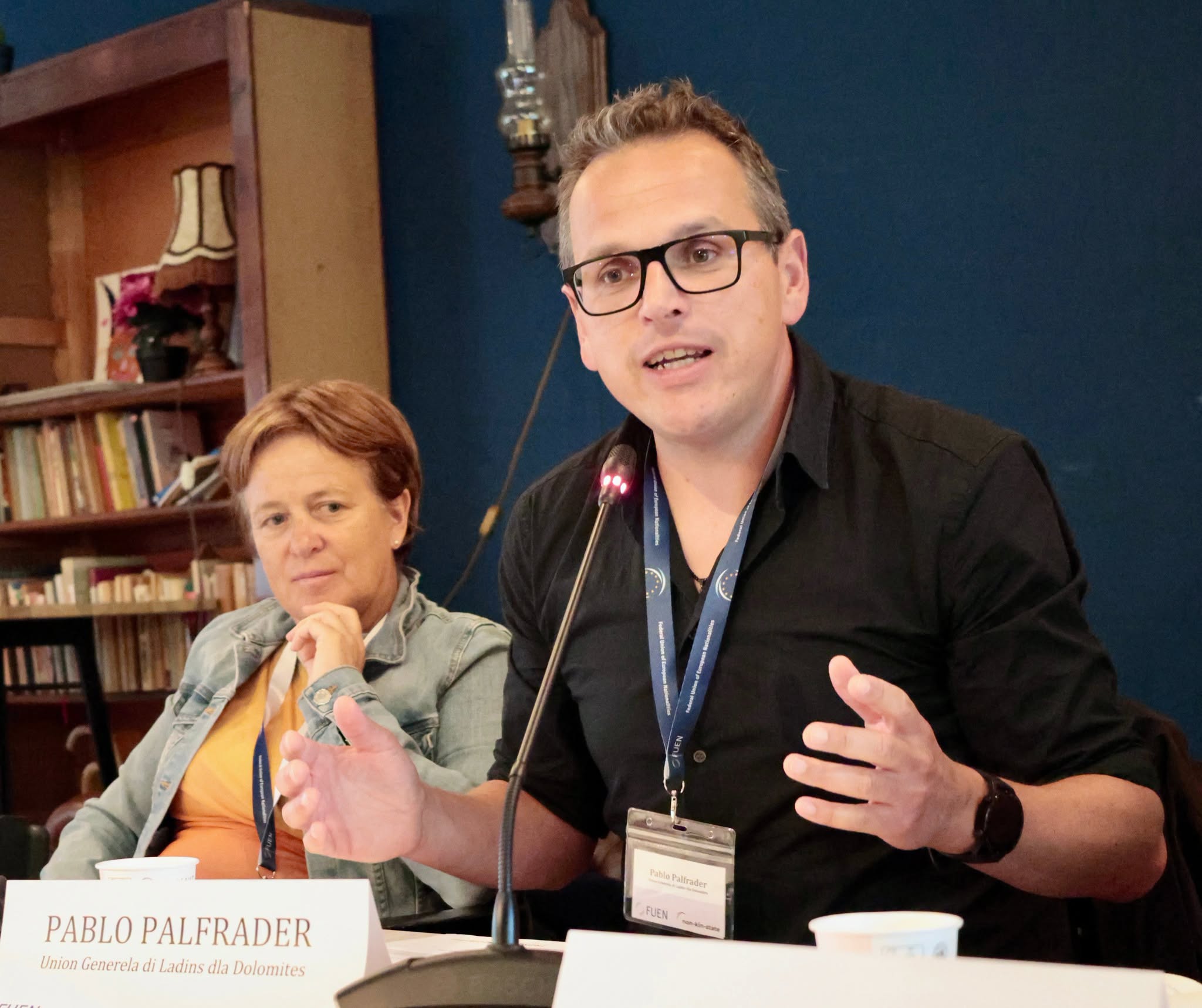
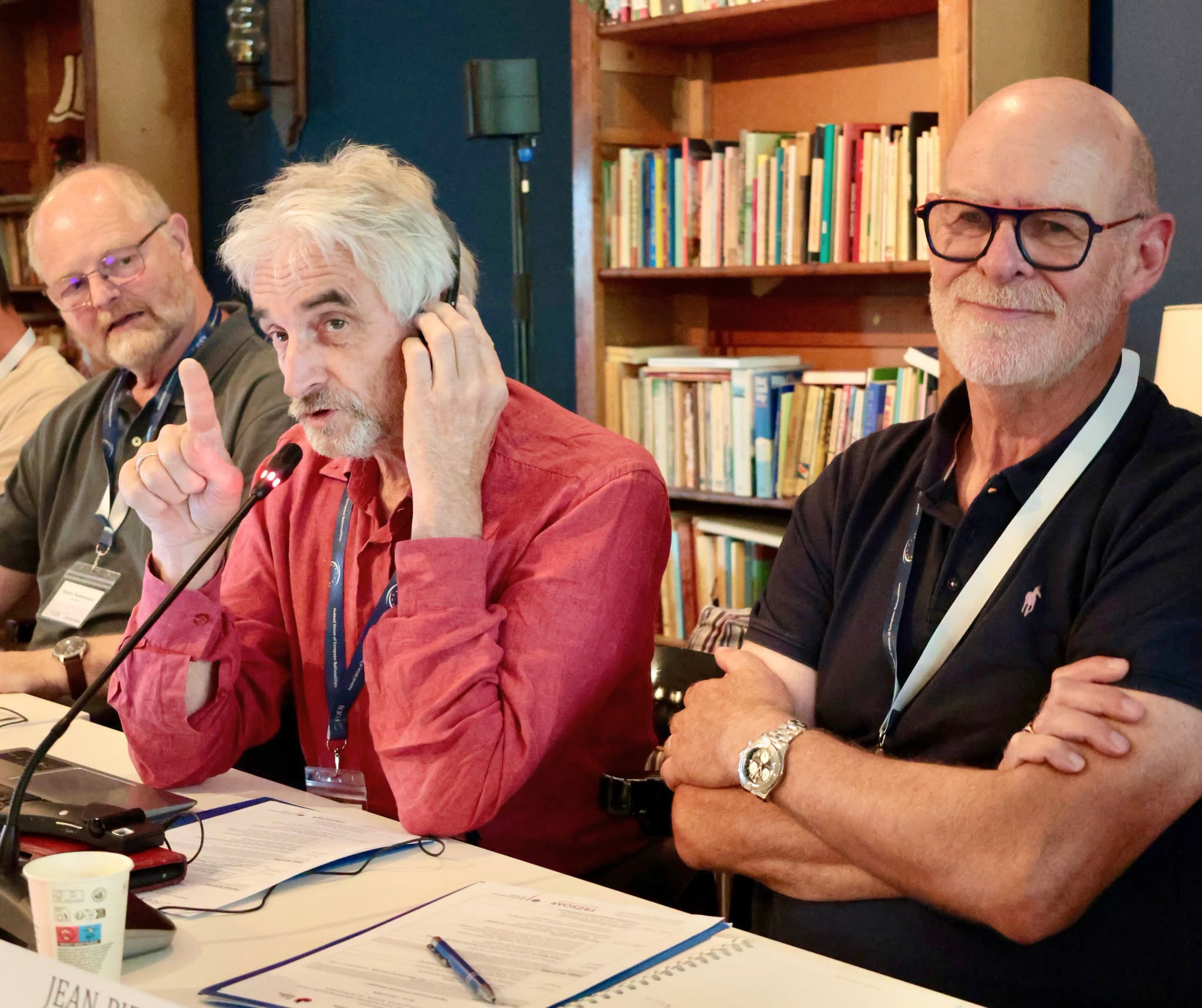
The first thematic working session already demonstrated the many different dimensions of digital visibility. Hindrik Sijens from the Fryske Akademy presented “Frysker”, a collection of digital writing tools for the Frisian-speaking community. Mozilla Common Voice, presented by Wim Benes, illustrated the importance of free and open language datasets for smaller languages. Jeroen Zandberg focused on the use of Frisian in local and regional public administration, while Ignacio Pérez Prat from the FUEN member organisation Lia Rumantscha joined online to provide insights into digital tools and strategies for Romansh.
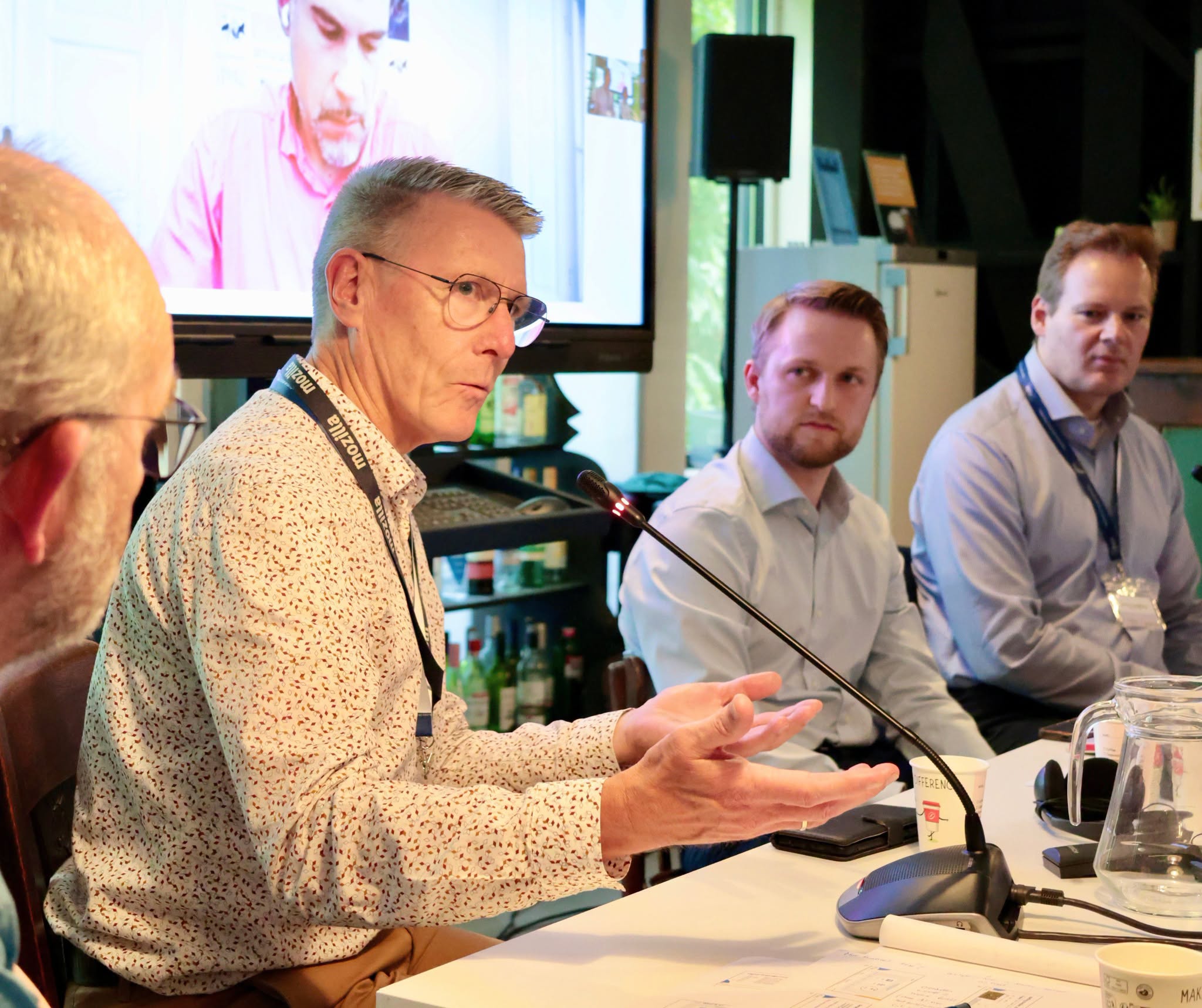
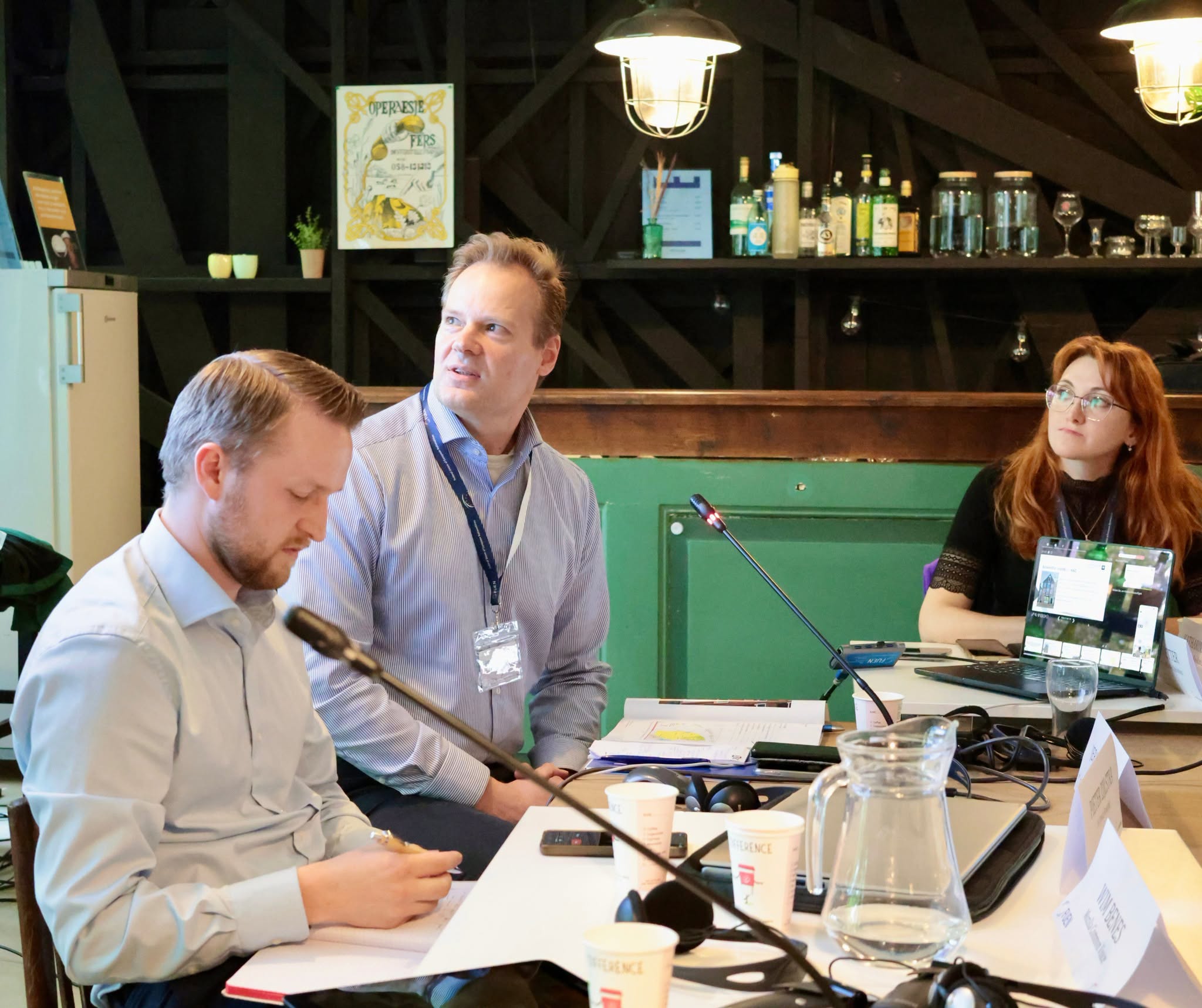
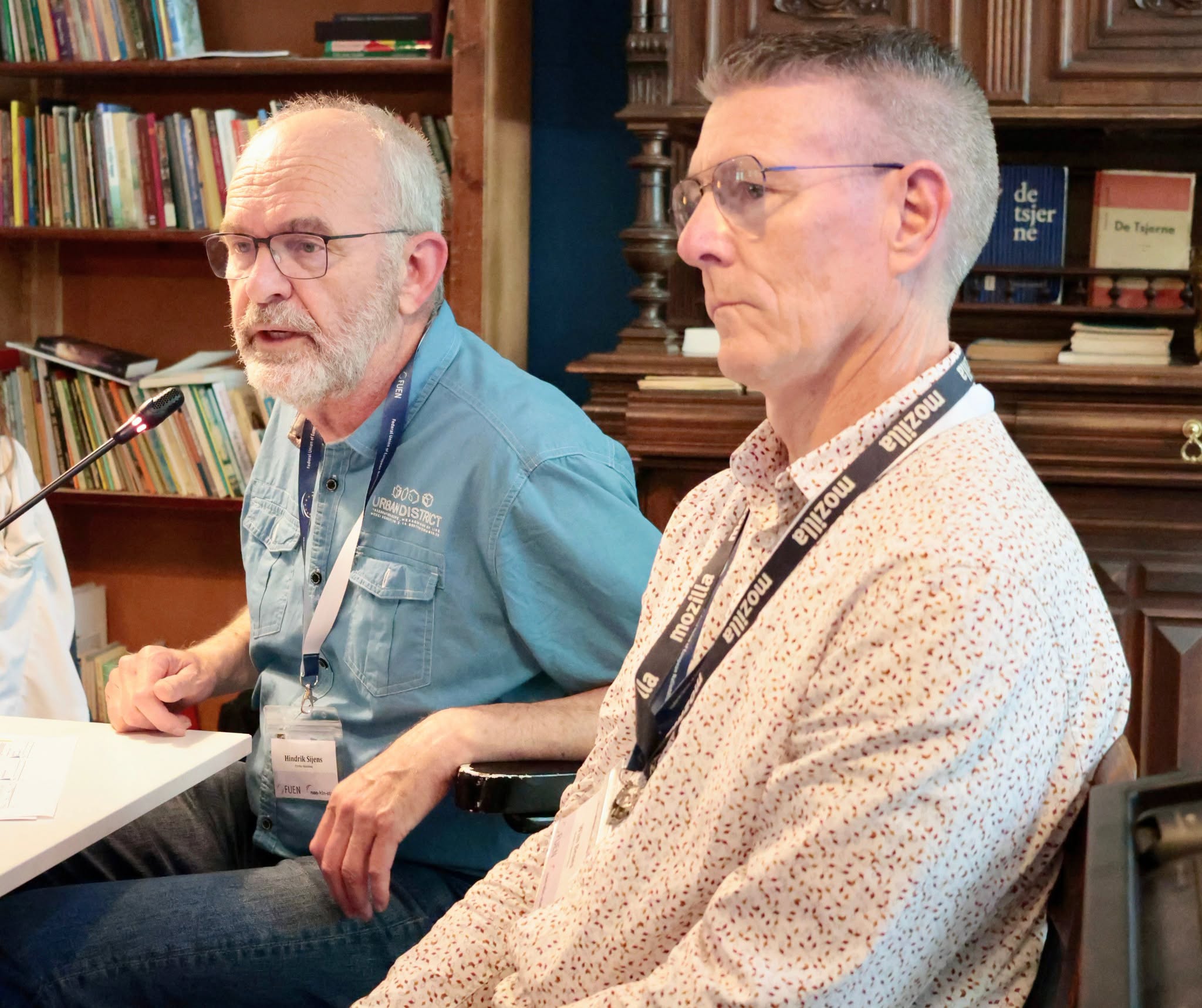
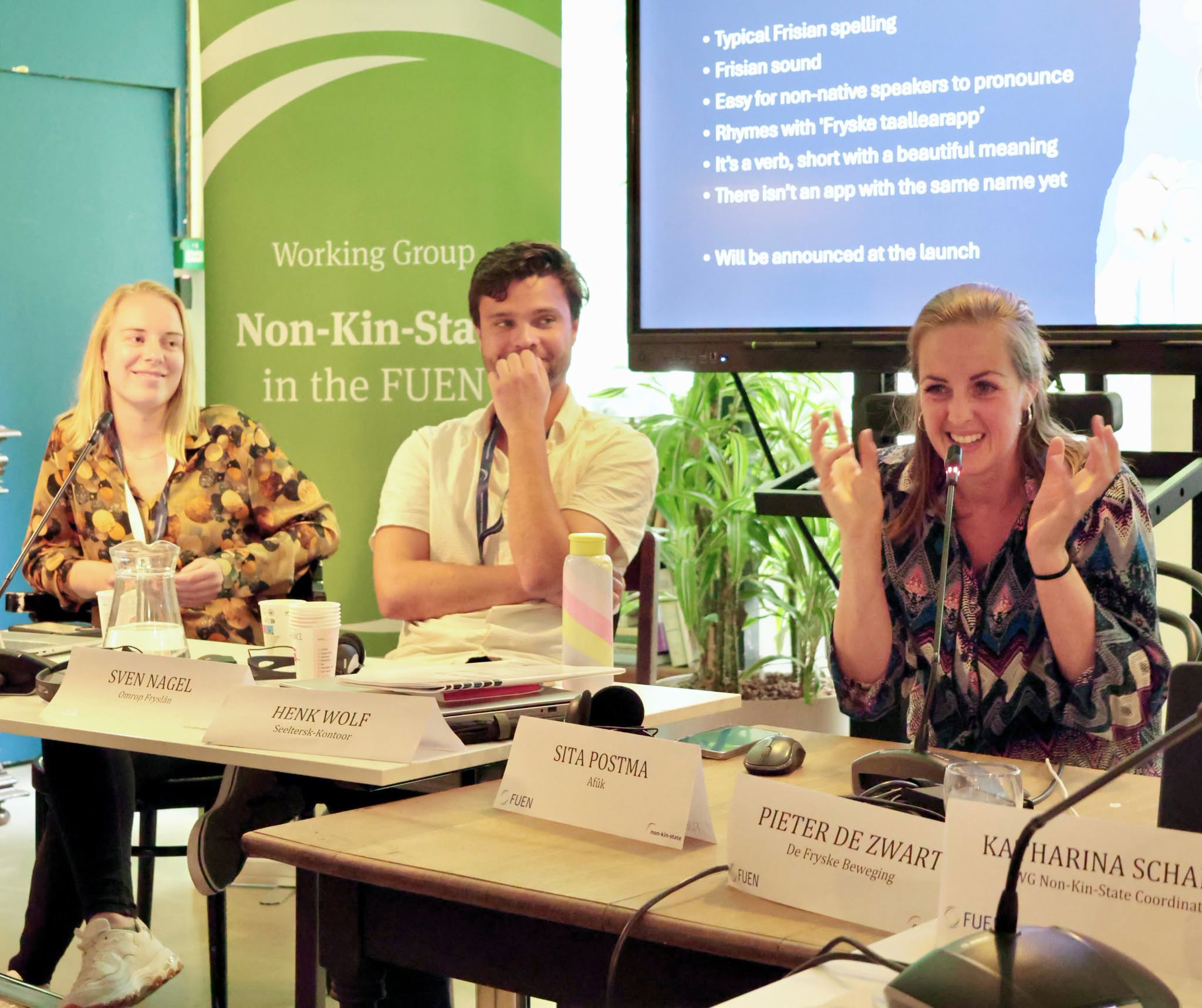
The second part focused on how minority languages can reach young people and become part of their everyday lives. The youth initiative YungFrysk, presented by Welmoed Sjoerdstra, showed how young people can be engaged with Frisian language and culture. Sita Postma from Afûk, the General Frisian Education Commission, which develops educational resources and materials for the Frisian language, presented the Taallear app, a new AI-based tool for learning Frisian. Further perspectives on everyday digital language use were provided by Sven Nagel from the regional broadcaster Omrop Fryslân, who spoke about Frisian in radio, television and digital media, and by Henk Wolf, who addressed the digital requirements for revitalising West Frisian and Sater Frisian.
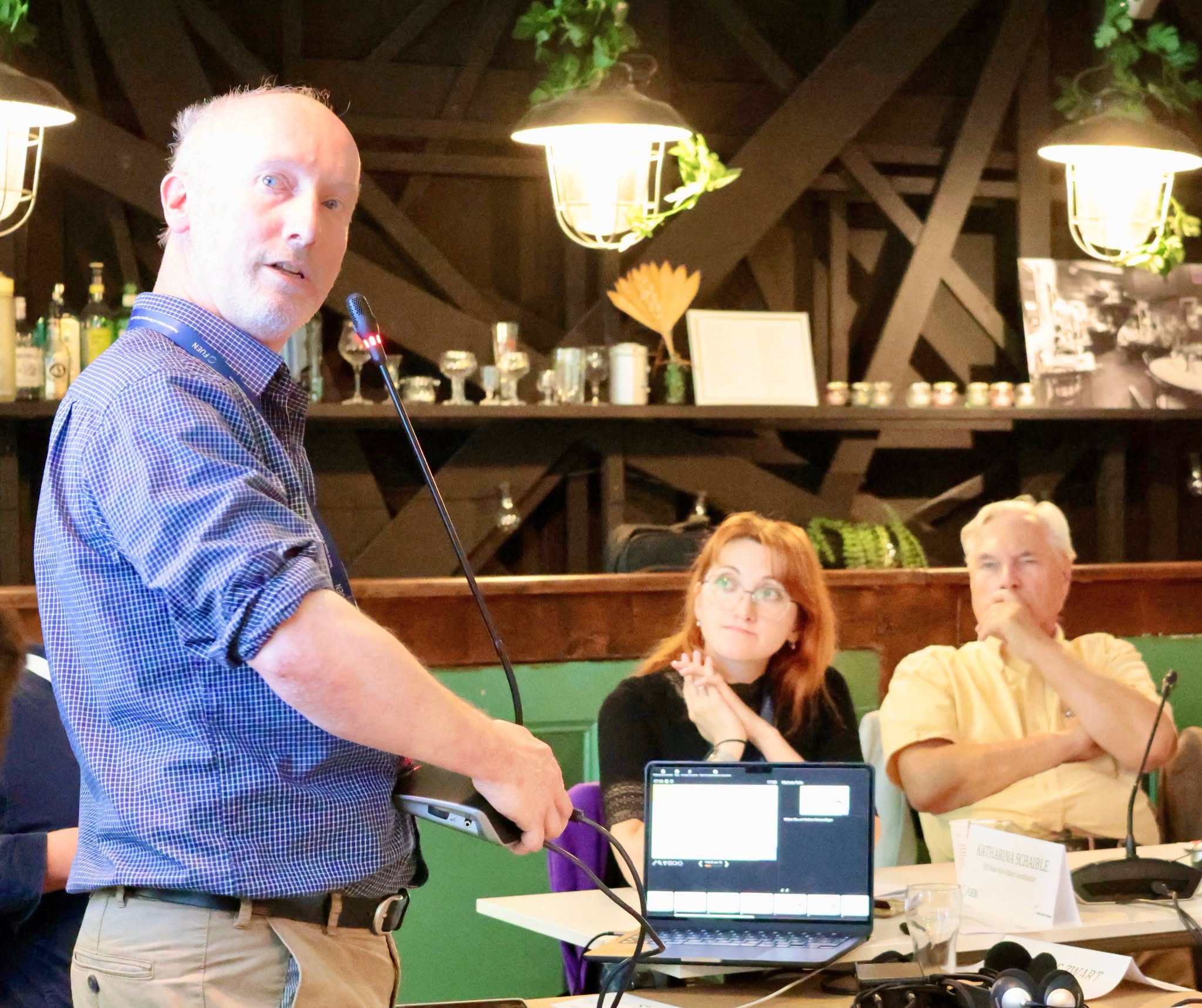
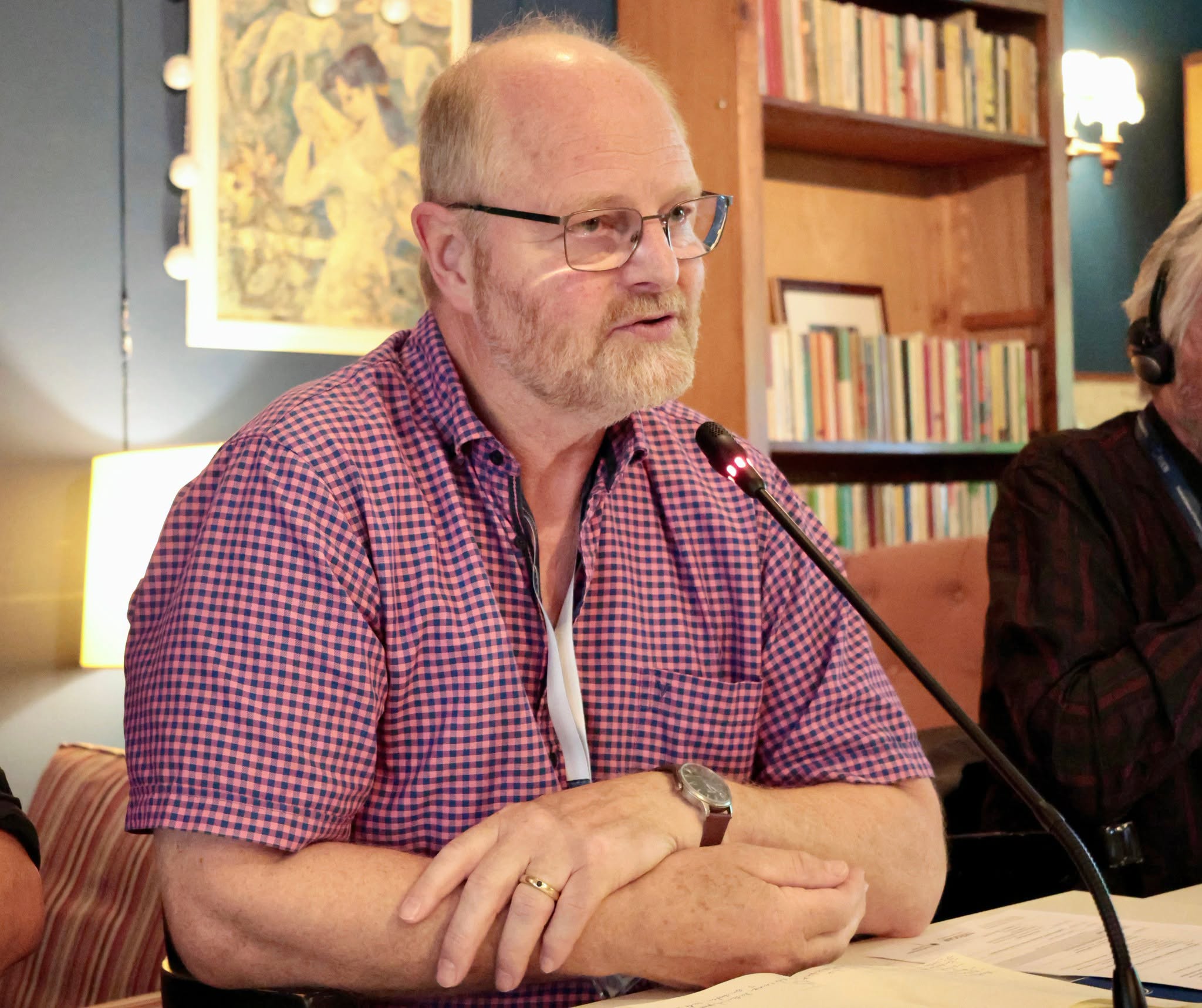
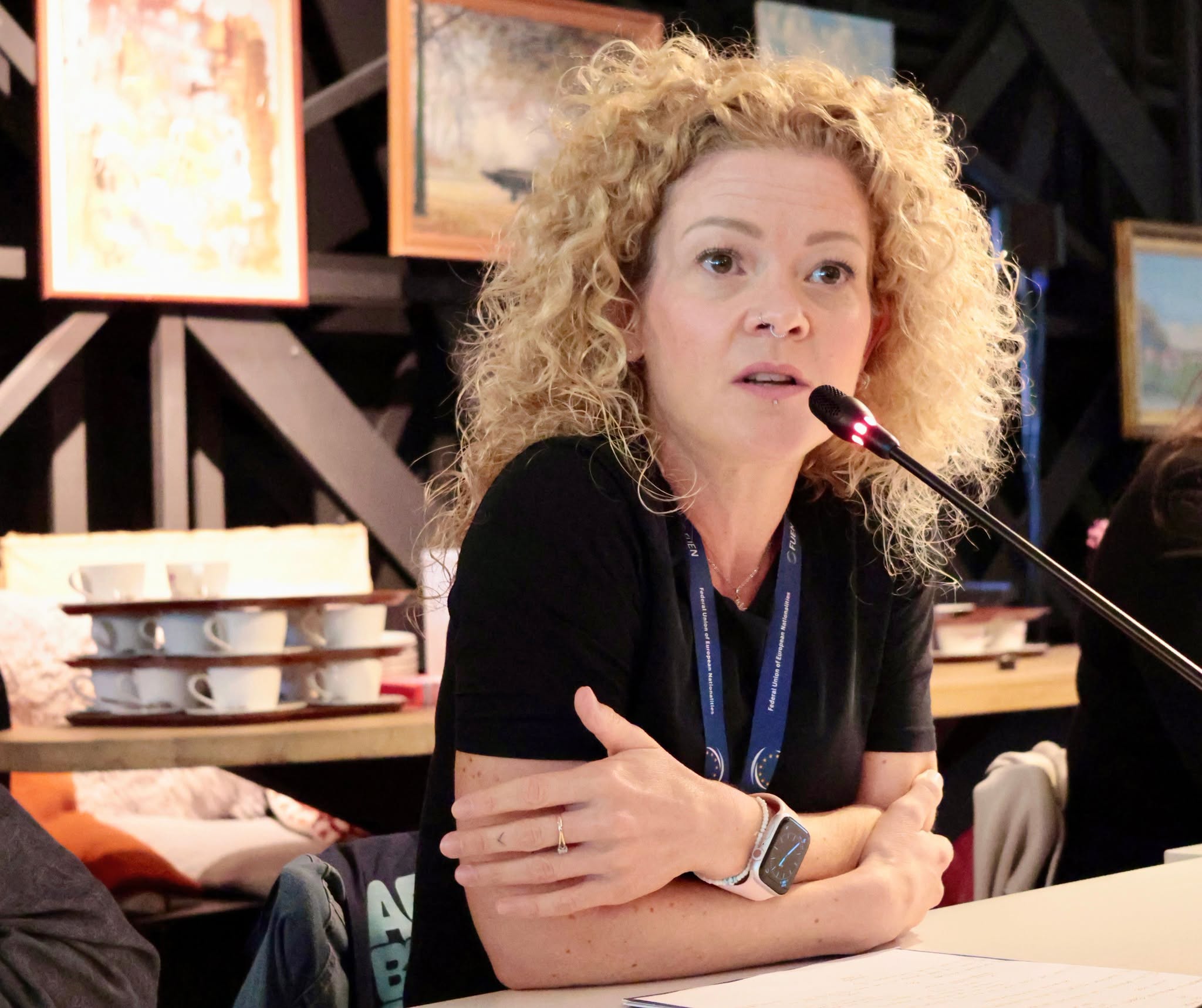
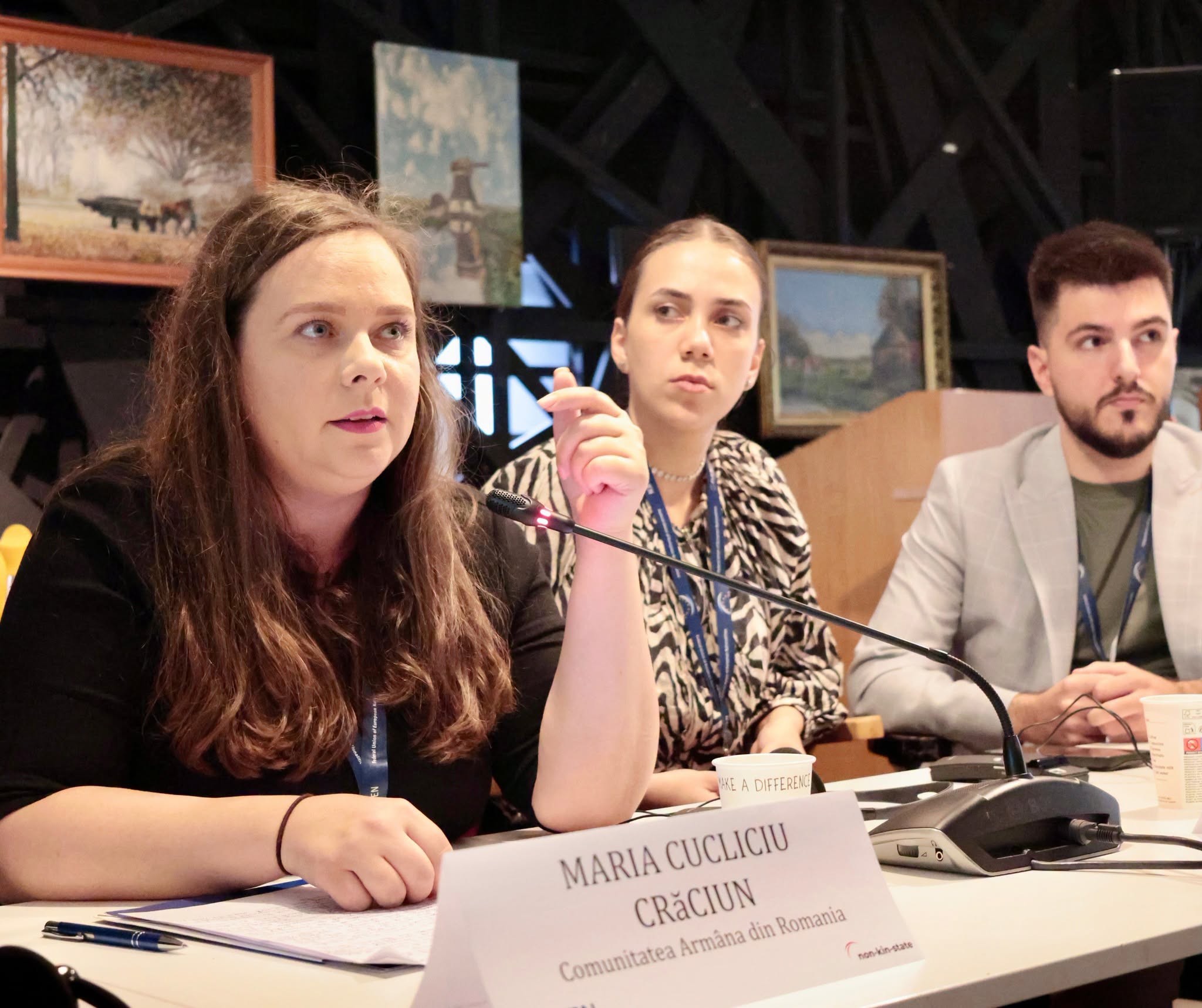
Alongside the public working sessions, the Annual Meeting also provided an opportunity for internal coordination among the NKS member organisations. The participating representatives discussed the current situation of their communities, local challenges, ongoing projects and the future direction of the Working Group within FUEN.
The accompanying programme offered participants deeper insights into Frisian history, culture and landscapes. In addition to a guided city tour of Leeuwarden, they visited the De Sûkerei open-air museum in Damwâld and the sea dikes near Wierum on the Wadden Sea.
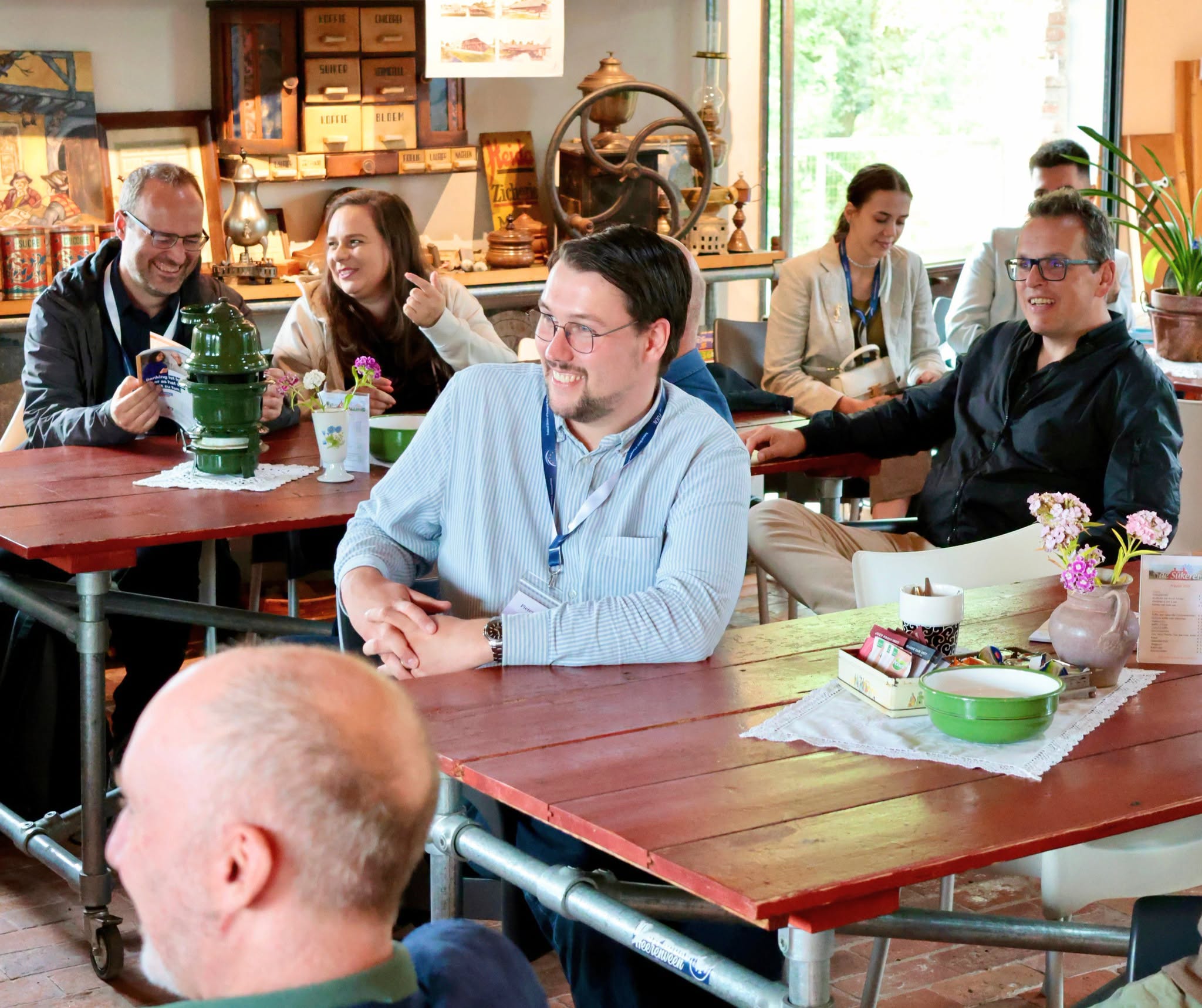
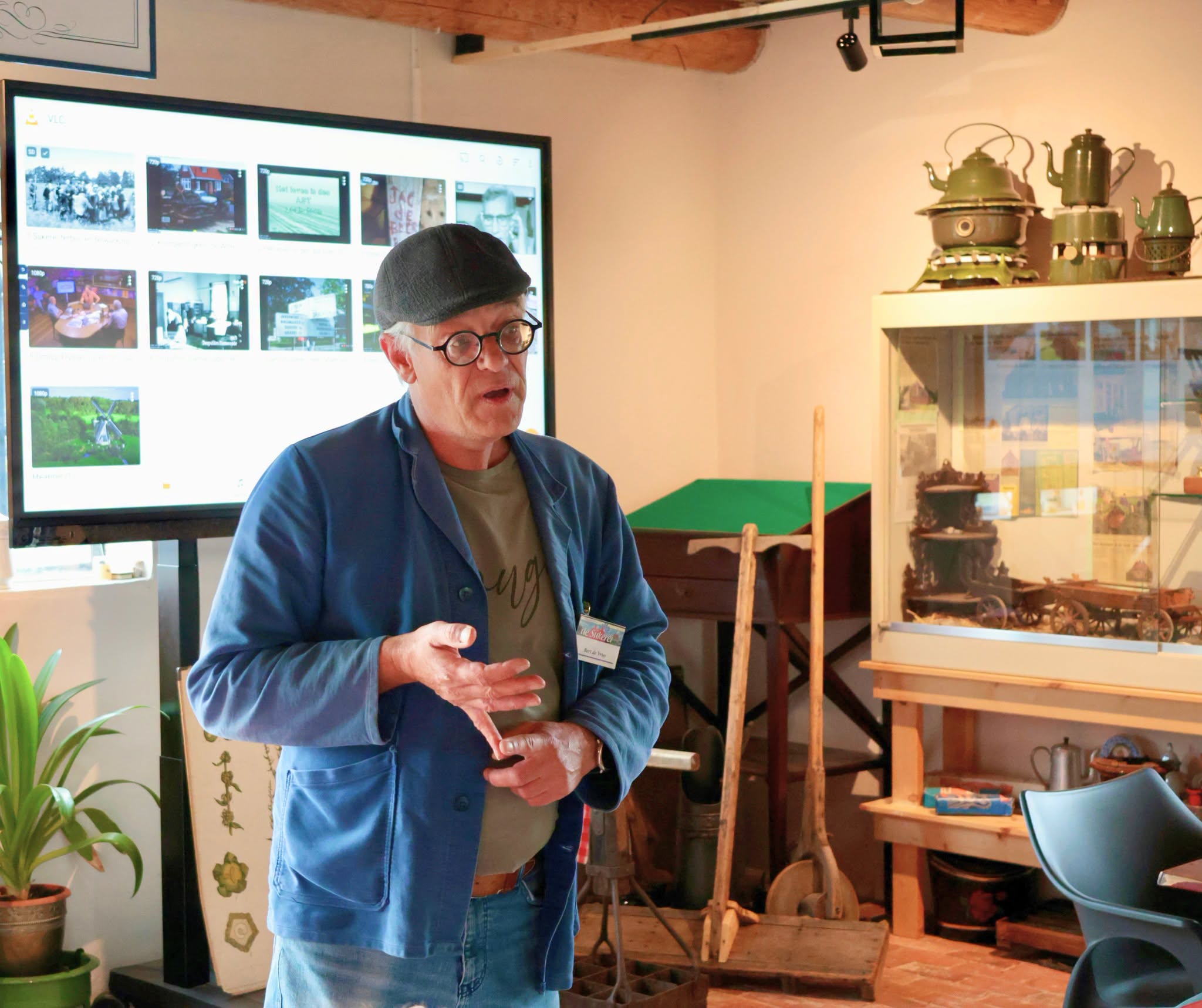
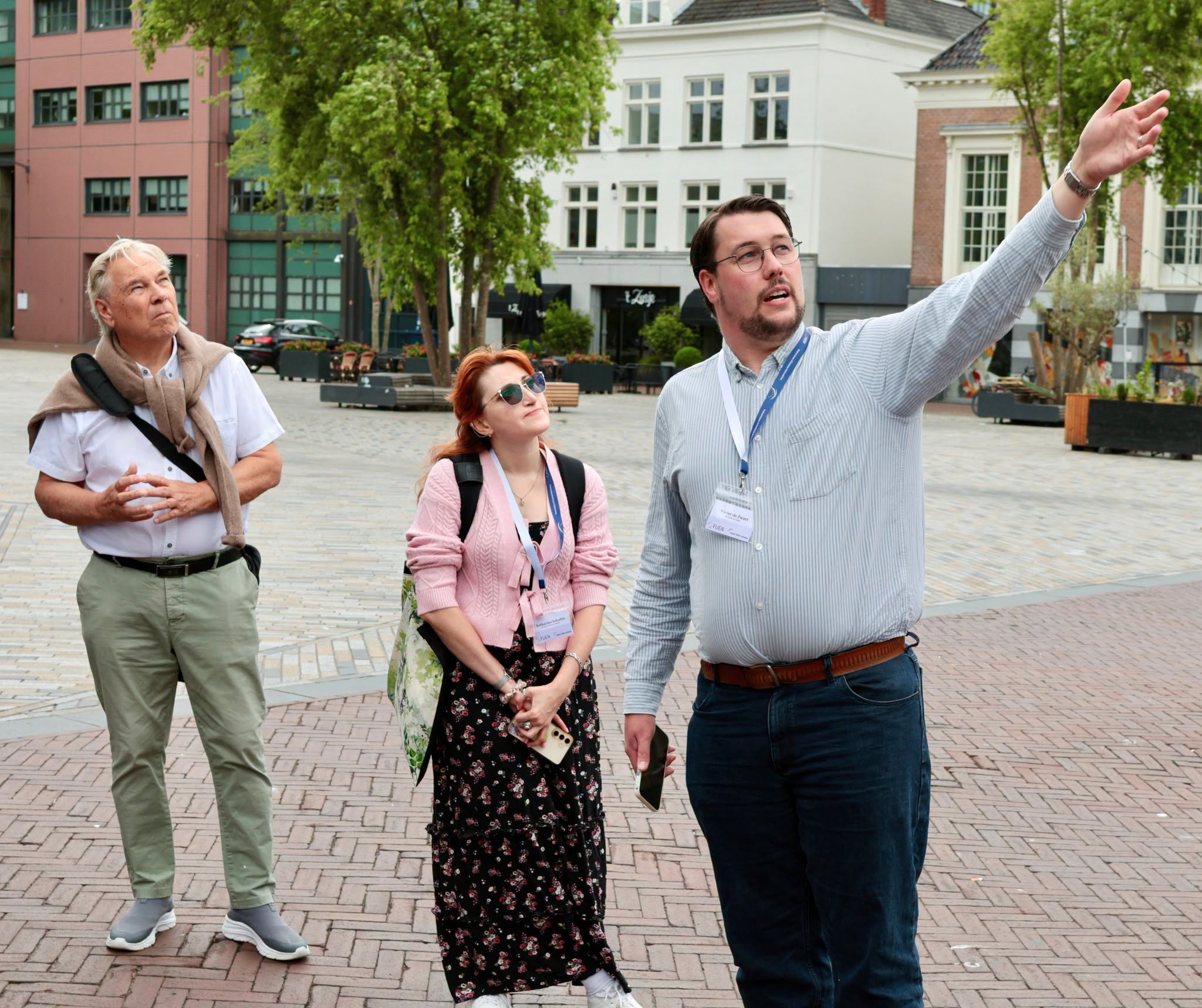
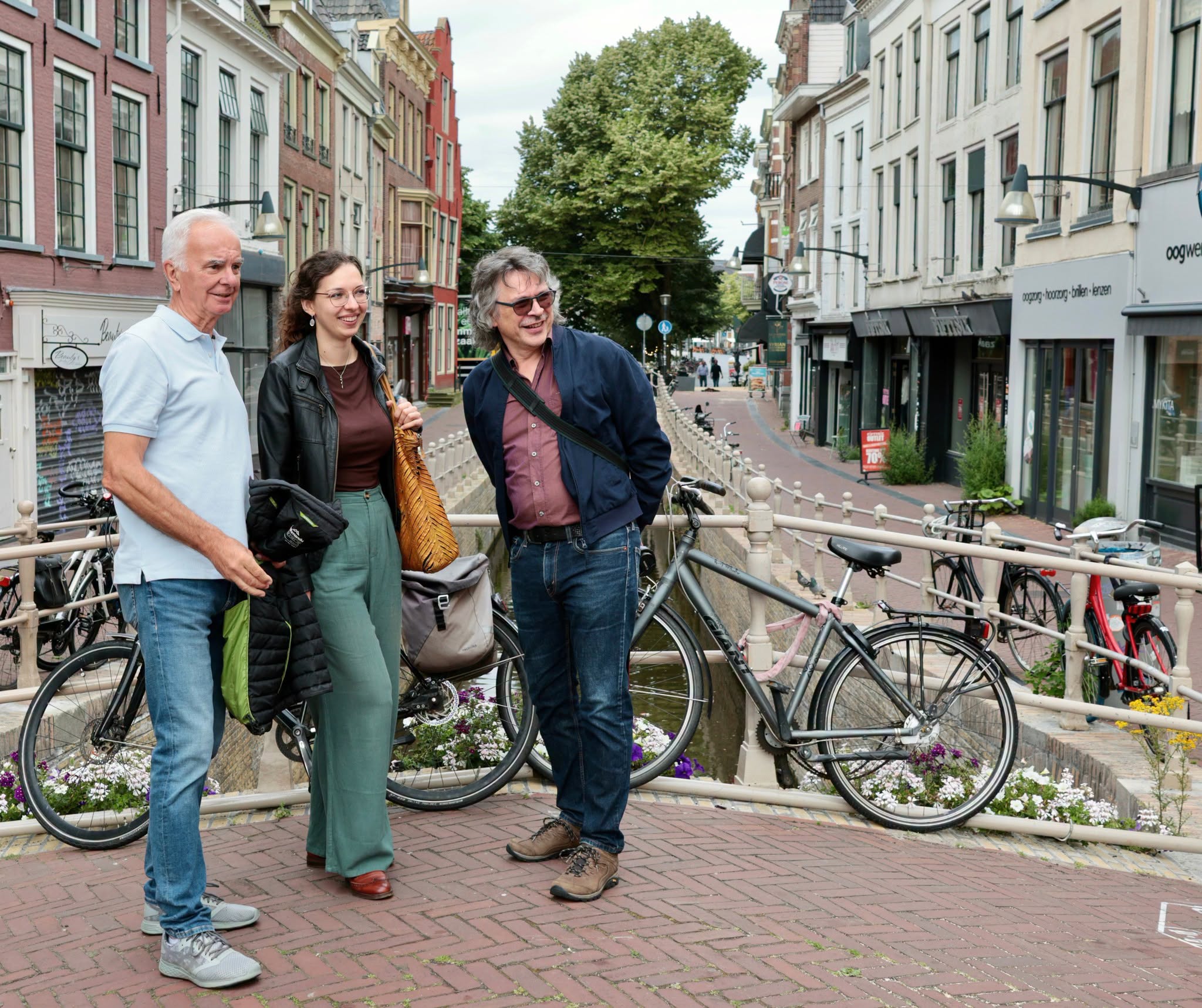
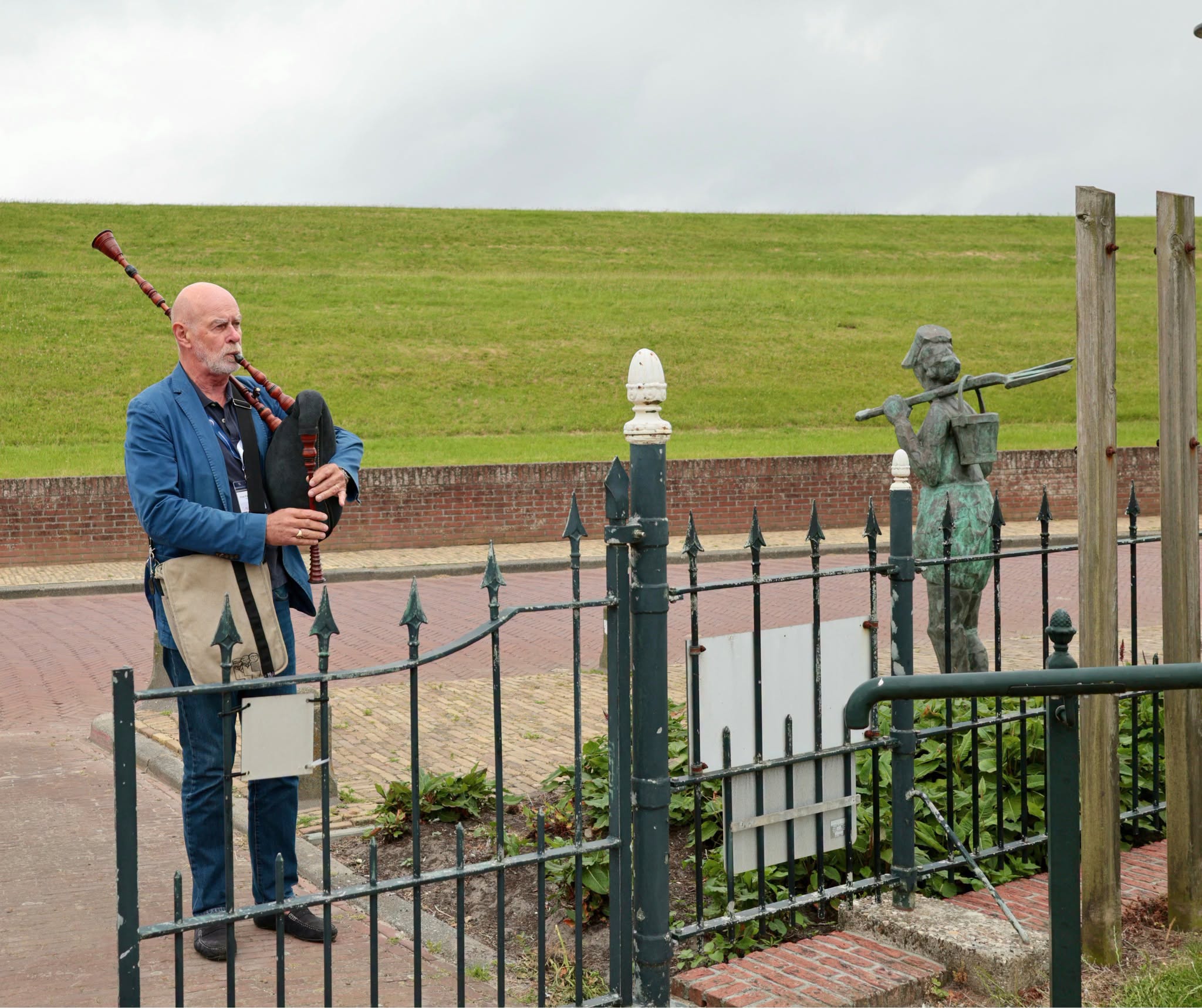
FUEN thanks the hosts from De Fryske Beweging for preparing the meeting, supporting the participants on site and providing such warm hospitality. The next meeting of the FUEN Non-Kin-State Working Group is planned to take place during the FUEN Congress 2026.
Background: The FUEN Non-Kin-State Working Group
The Non-Kin-State Working Group was established by FUEN in 2017 to provide minorities without a kin-state with an opportunity to discuss their specific concerns and challenges, find solutions, and develop joint strategies for preserving their small languages and cultures. It currently brings together 43 organisations from 19 different countries. Its Spokesperson is FUEN Vice-President Bahne Bahnsen.
Working Group website: nks.fuen.org
COMMUNIQUÉ DE PRESSE
- 8th Annual Meeting of the FUEN Working Group on Education: vocational education, minority languages and AI in focus
- FUEN discussed minority issues with EU institutions in Brussels
- FUEN exhibition opens at the European Parliament: putting minority languages on the European agenda
- FUEN Working Group on Education meets in Eupen: Focus on vocational education, minority languages and AI
- FUEN Assembly of Delegates 2026 calls for greater inclusion of minority languages in artificial intelligence
- FUEN Congress discusses geo-blocking and the protection of minority languages
- FUEN Congress Examines Mother-Tongue Access in Healthcare and Social Services
- FUEN Congress Spotlights the Future of Minority Languages in Public-Service Broadcasting
- 70th FUEN Congress opens in Helsinki/Helsingfors
- For Protection of the Cultural Identity: The Case of the Breton Community in France