













FUEN Assembly of Delegates 2026 calls for greater inclusion of minority languages in artificial intelligence
20.09.2026The third day of the FUEN Congress is traditionally dedicated to its member organisations. At the Assembly of Delegates, the highest decision-making body of the Federal Union of European Nationalities (FUEN), the representatives review the past year and make important decisions for the future of the organisation.
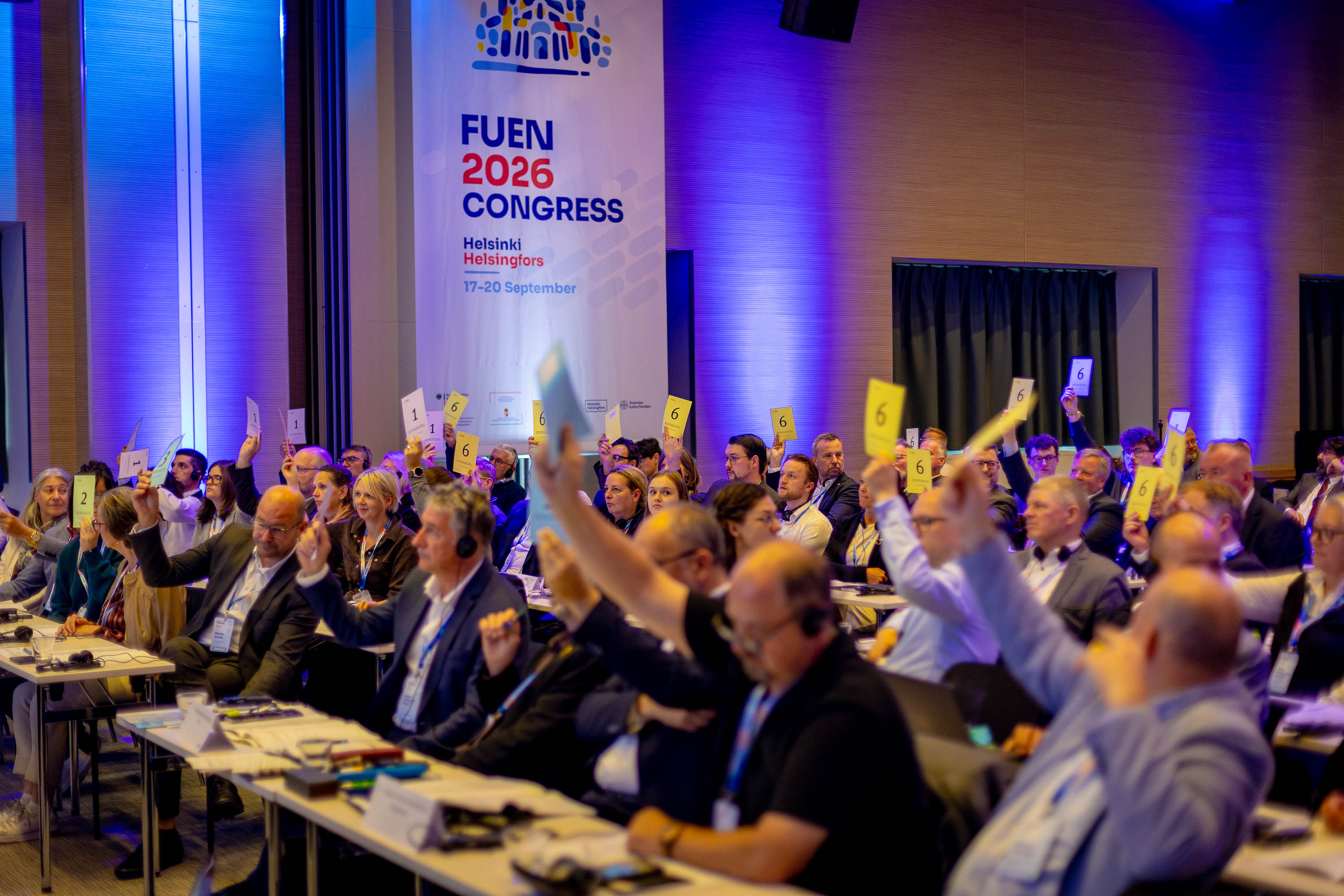
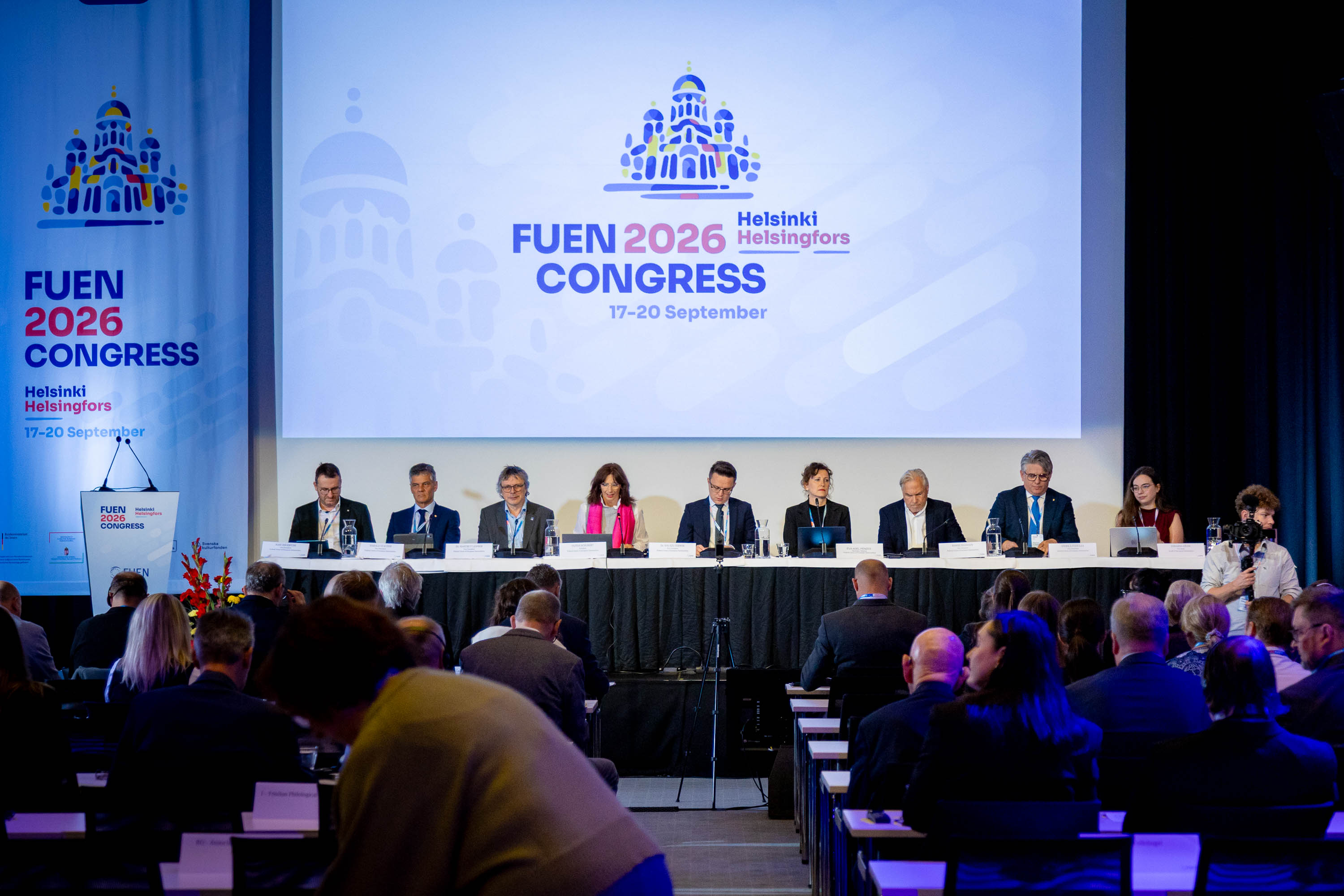
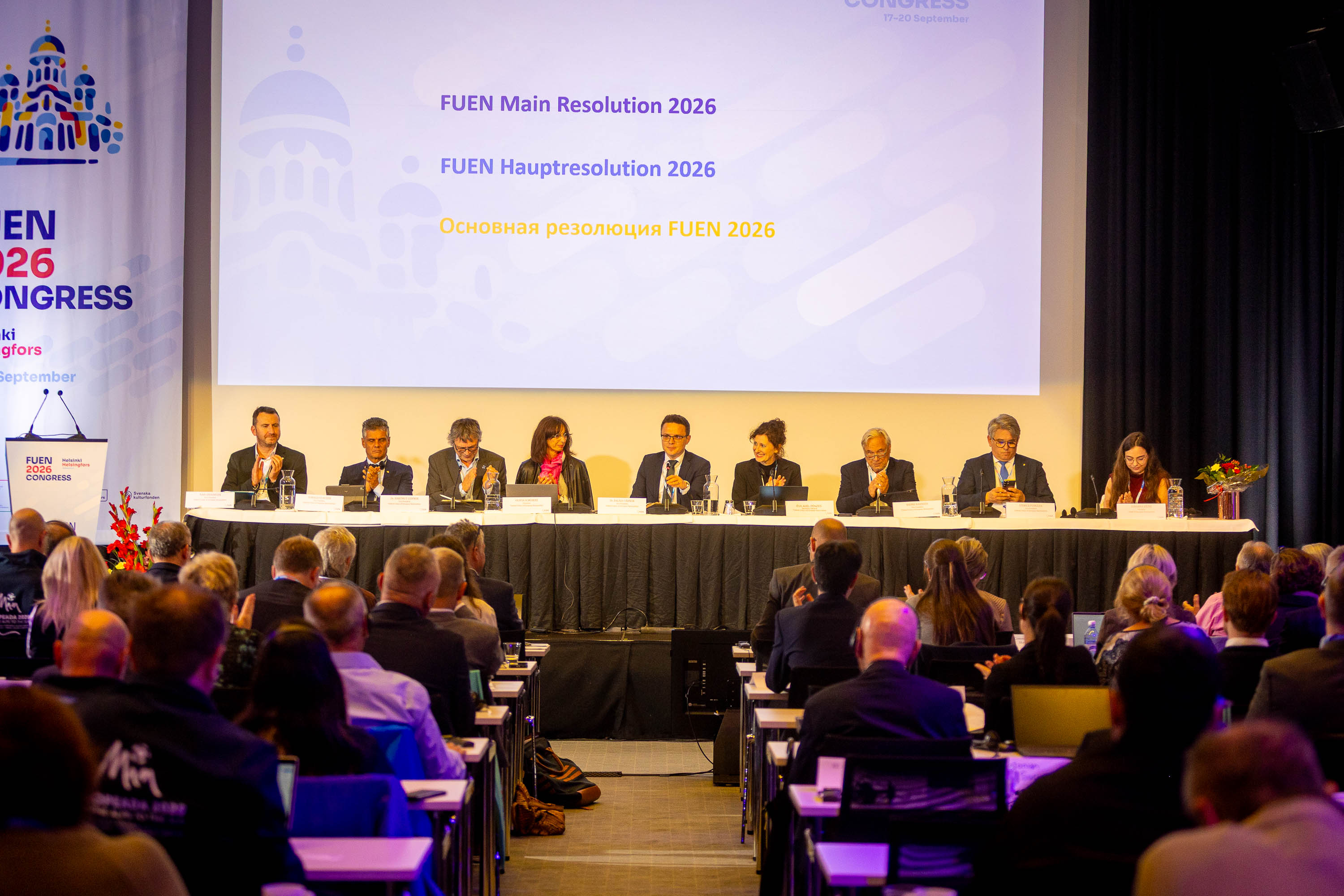
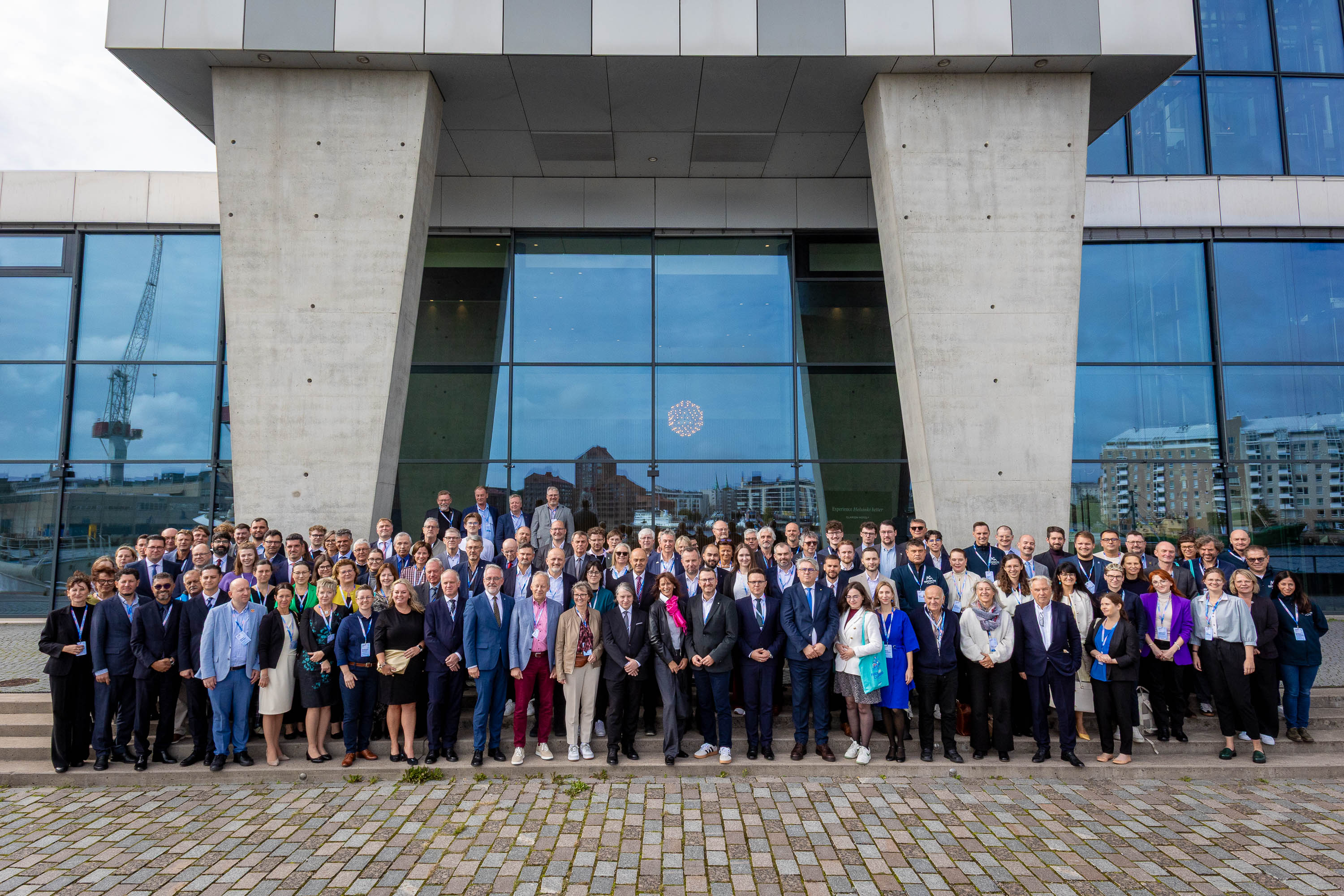
This year’s Assembly, held on 19 September at the Clarion Hotel Helsinki, was the first under the leadership of FUEN President Olivia Schubert. The delegates reviewed the activities of the Presidium, the Secretary General and the Working Groups, approved the financial plan for 2027 and discharged the Presidium.
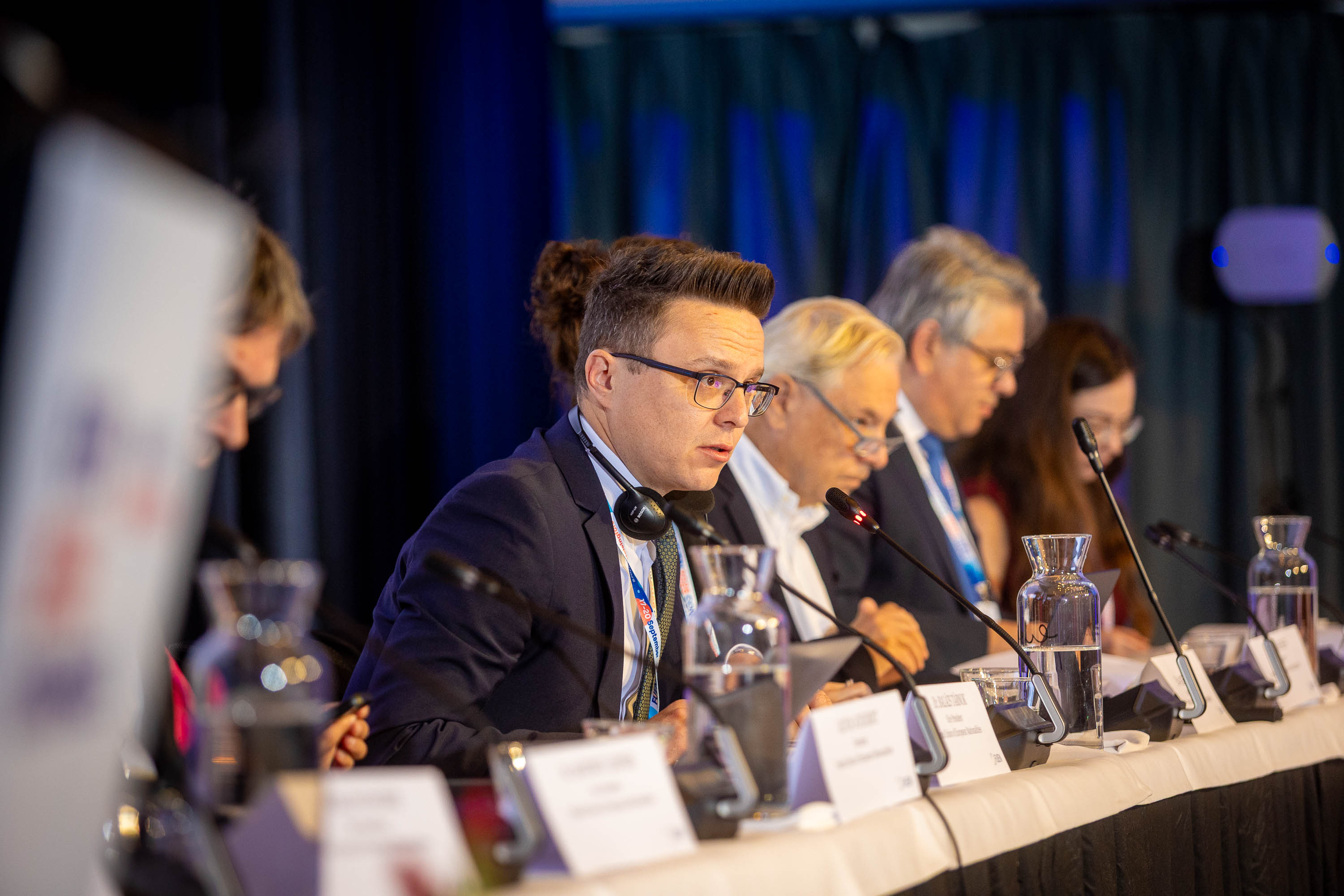
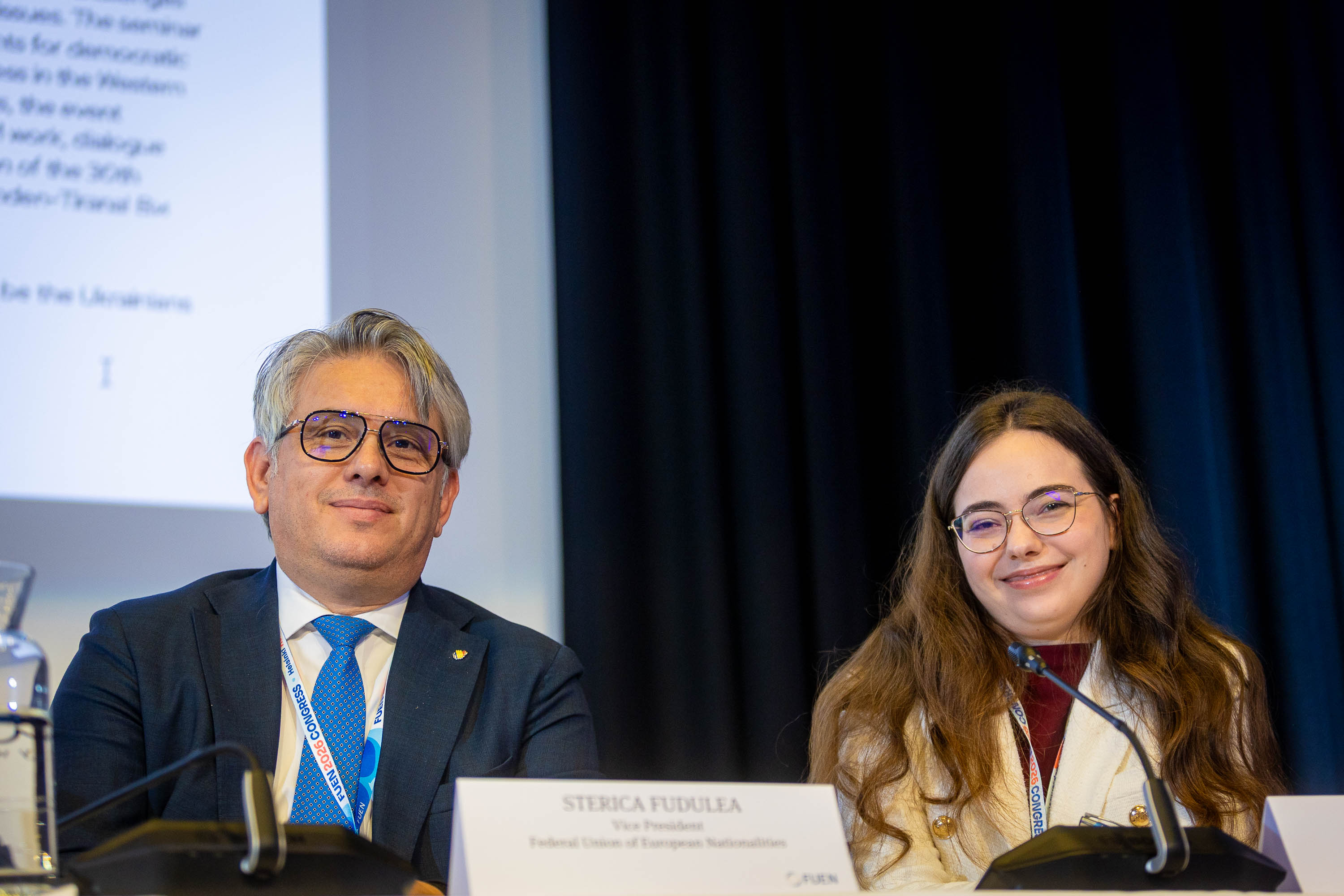
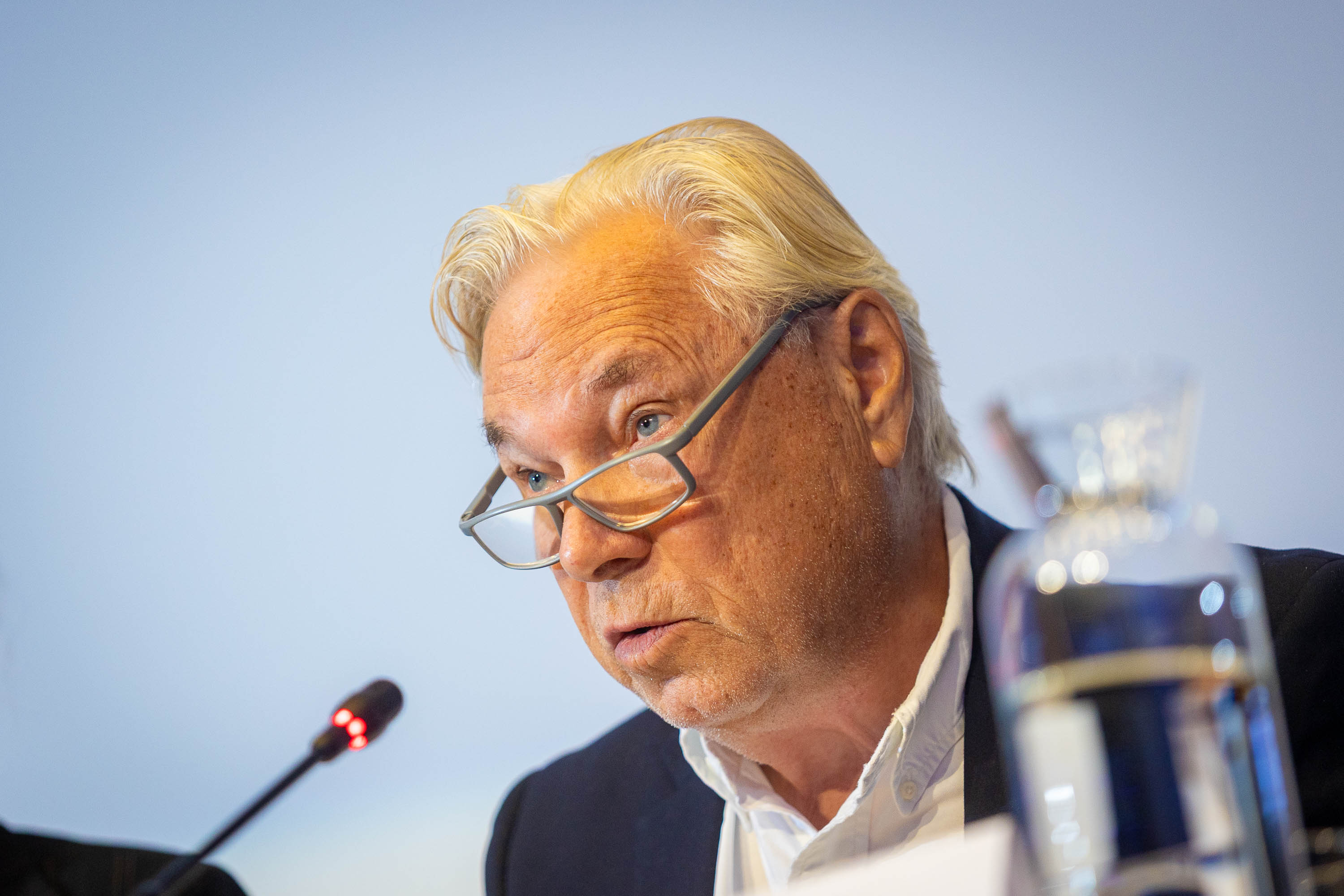
In her report, FUEN President Olivia Schubert outlined the priorities of the new Presidium, including strengthening FUEN’s political advocacy at European and international level, closer cooperation with member organisations and the modernisation of the organisation. She emphasised that FUEN’s work must go beyond organising events and meetings to achieve tangible political impact, while continuing to pursue the objectives of the Minority SafePack Initiative. Looking ahead, Schubert stressed that minority languages must not be left behind by technological developments but remain visible and usable in digital applications and artificial intelligence.
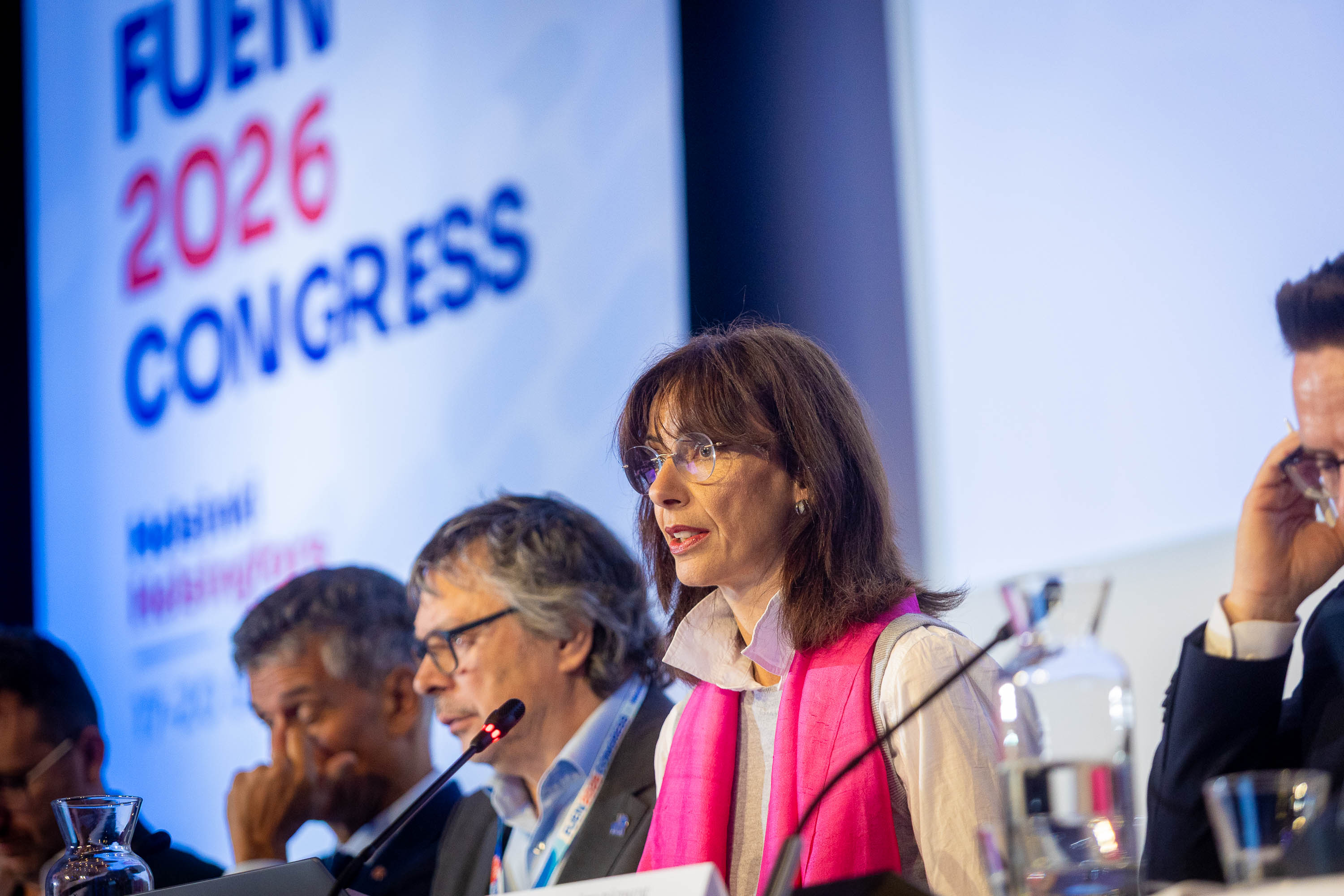
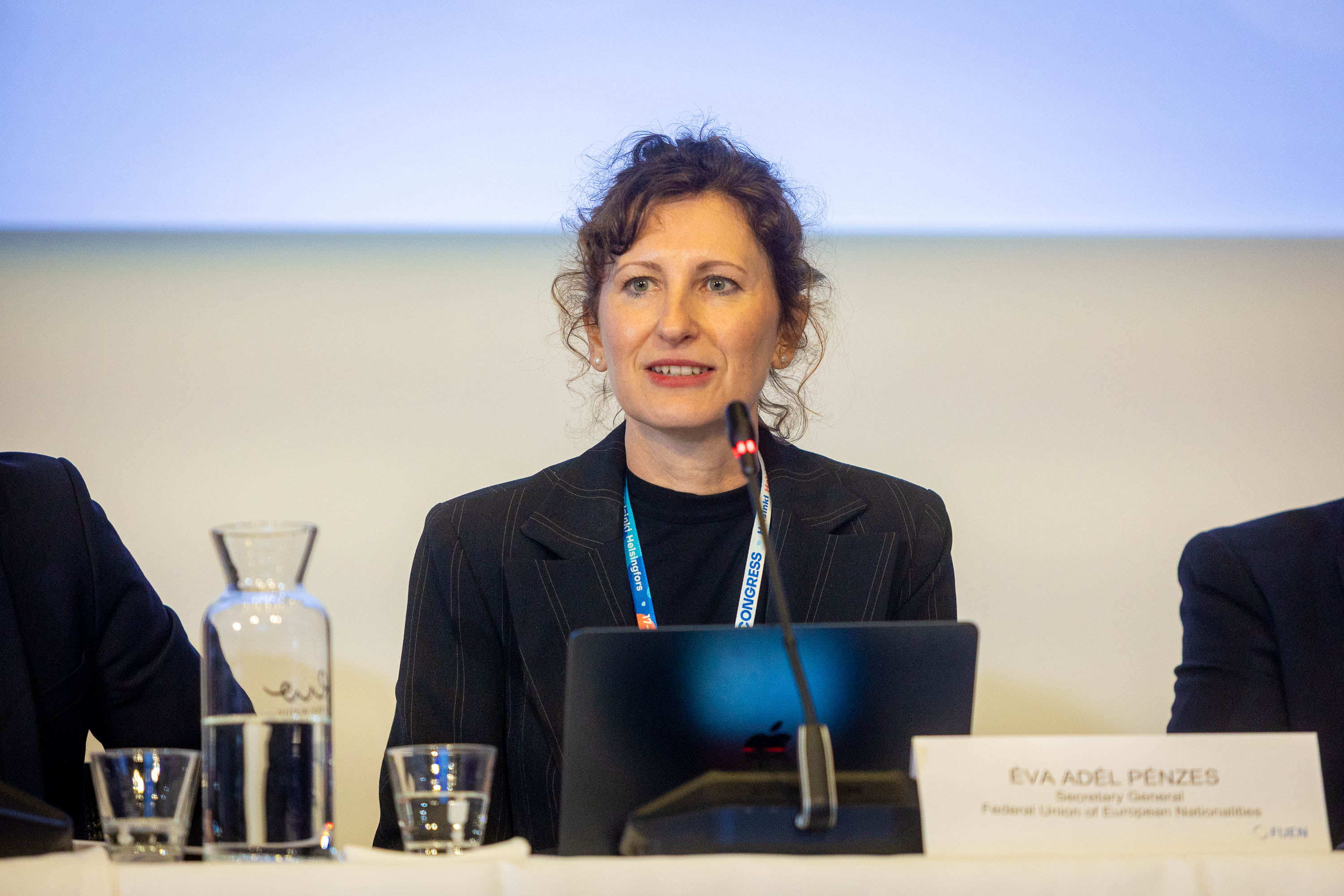
Secretary General Éva Pénzes highlighted the Secretariat’s work in ensuring continuity and strengthening cooperation with the new Presidium and member organisations. Since the previous Congress, FUEN has organised or supported more than 30 events and prepared or conducted over 40 political and institutional meetings. Pénzes also pointed to the successful acquisition of FUEN’s first Erasmus+ project, which will begin in October 2026 and open up new opportunities for cooperation in youth, education and skills development.
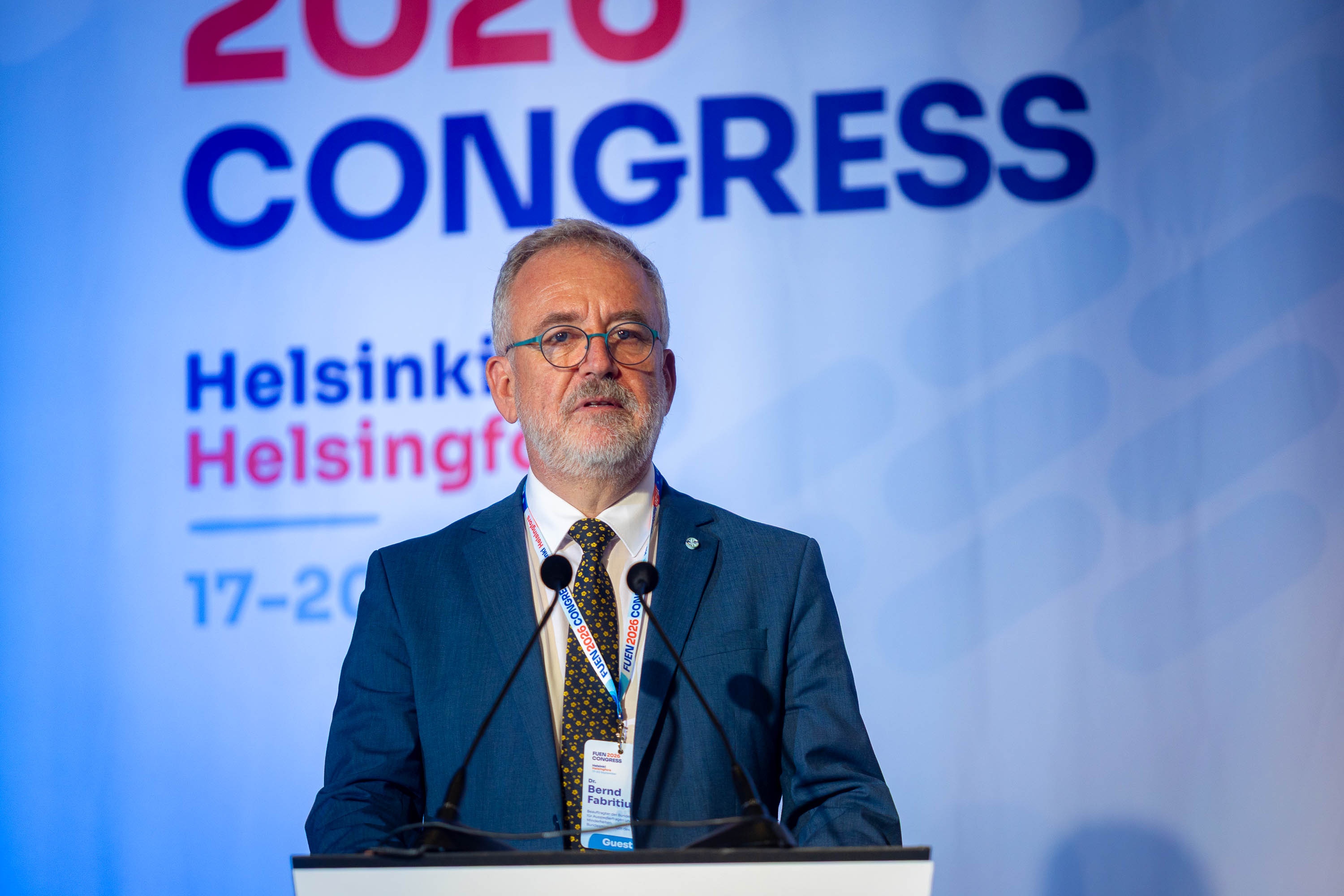
Dr. Bernd Fabritius, Federal Government Commissioner for Matters Related to Ethnic German Resettlers and National Minorities, addressed the delegates and conveyed greetings from the German Federal Government. He praised the constructive cooperation with FUEN and highlighted the importance of cross-border access to audiovisual content in minority languages, particularly in the context of geo-blocking. Fabritius stressed that minority protection contributes to social cohesion, democracy and peaceful coexistence, describing FUEN as an indispensable bridge-builder between minority communities and political institutions.
A central outcome of the Assembly was the adoption of the main resolution “Towards a rights-based, equitable, compliant and inclusive approach to AI and minority languages”. The resolution calls for greater consideration of regional and minority languages in the development and deployment of artificial intelligence. It highlights that many minority languages remain underrepresented in the digital environment, limiting their access to emerging technologies.
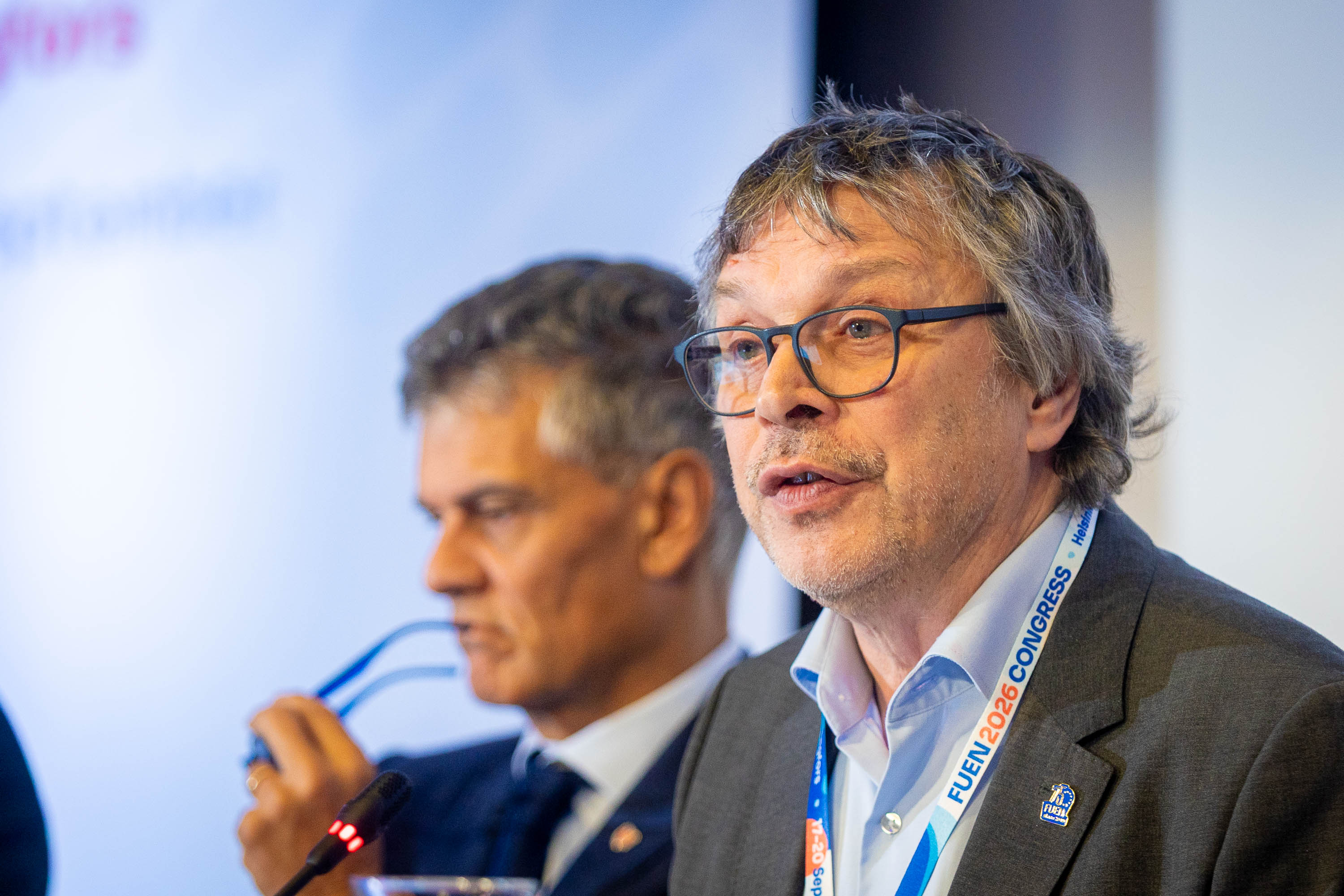
The FUEN calls on the European Union to take minority language rights into account when implementing the EU AI Act and urges the European Commission to provide targeted funding for AI tools, language technologies and digital language resources. National governments are called upon to make public digital services accessible in minority languages, while technology providers should involve minority communities in developing their systems. The resolution also calls for a European cooperation framework bringing together public authorities, researchers, technology companies and minority representatives. It further stresses that AI must complement existing linguistic rights rather than replace them.
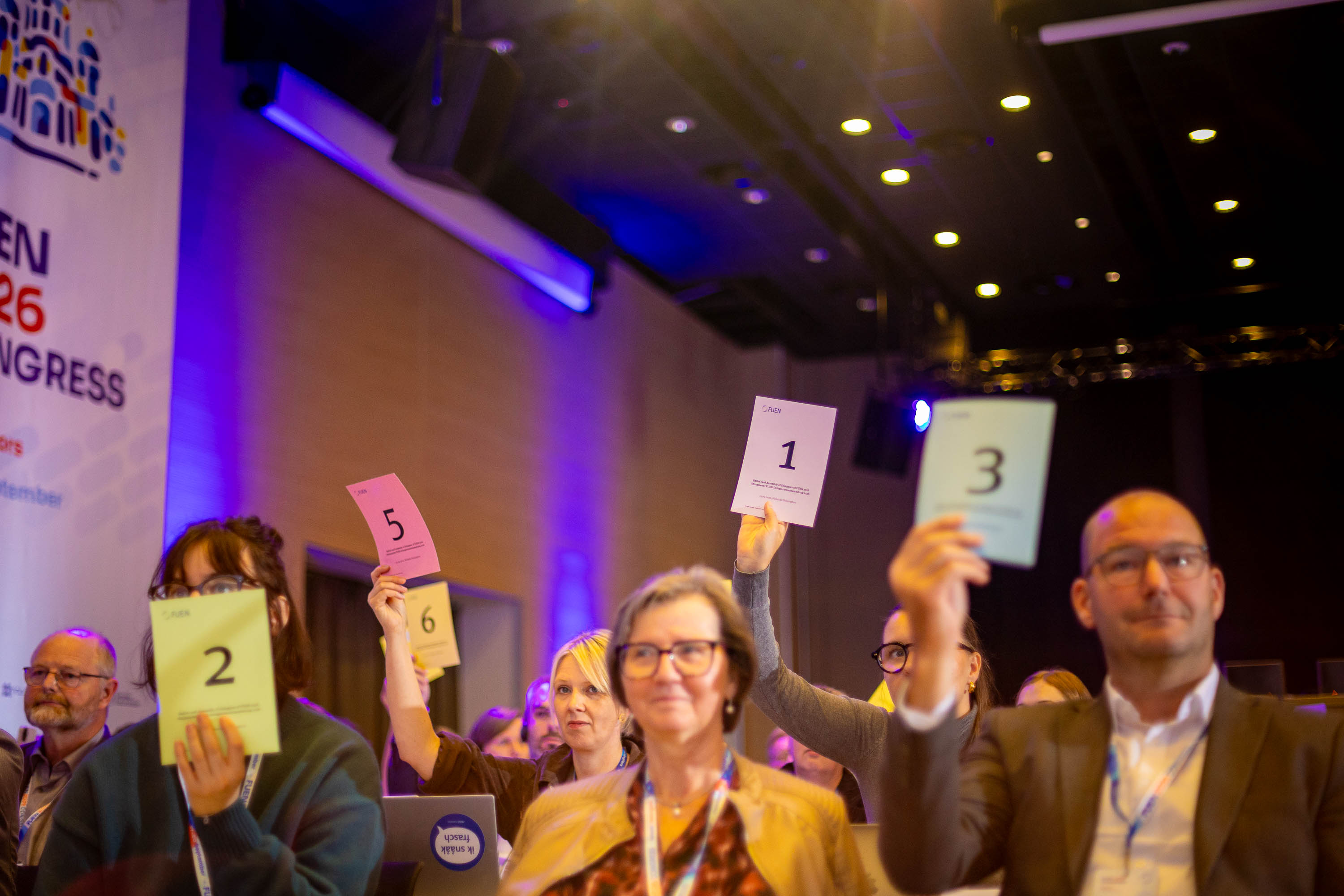
In addition to the main resolution, the delegates adopted 13 further resolutions:
- On the protection of the rights of the Turkish minority in Rhodes and Kos;
- On the rights of the Macedonian national minority in Albania;
- On the recognition of the Yenish as Germany’s fifth national minority;
- On religious autonomy and freedom of religion for the Turkish minority in Western Thrace;
- On the protection of indigenous peoples and national minorities in Ukraine;
- On the right to use Catalan in healthcare;
- On elections at the Greek-Orthodox Balıklı Hospital Foundation in Istanbul;
- On safeguarding Sorbian as a living language in schools in Saxony and Brandenburg (Germany);
- On the revitalisation of the Armãn/Vlach language and culture;
- On making regional and minority languages an integral part of vocational education;
- On public funding for Breton organisations in Loire-Atlantique;
- On the implementation of minority-language education in Vienna;
- On the restoration of the acquired rights of the Hungarian minority in Subcarpathia and the implementation of Ukrainian–Hungarian minority dialogue.
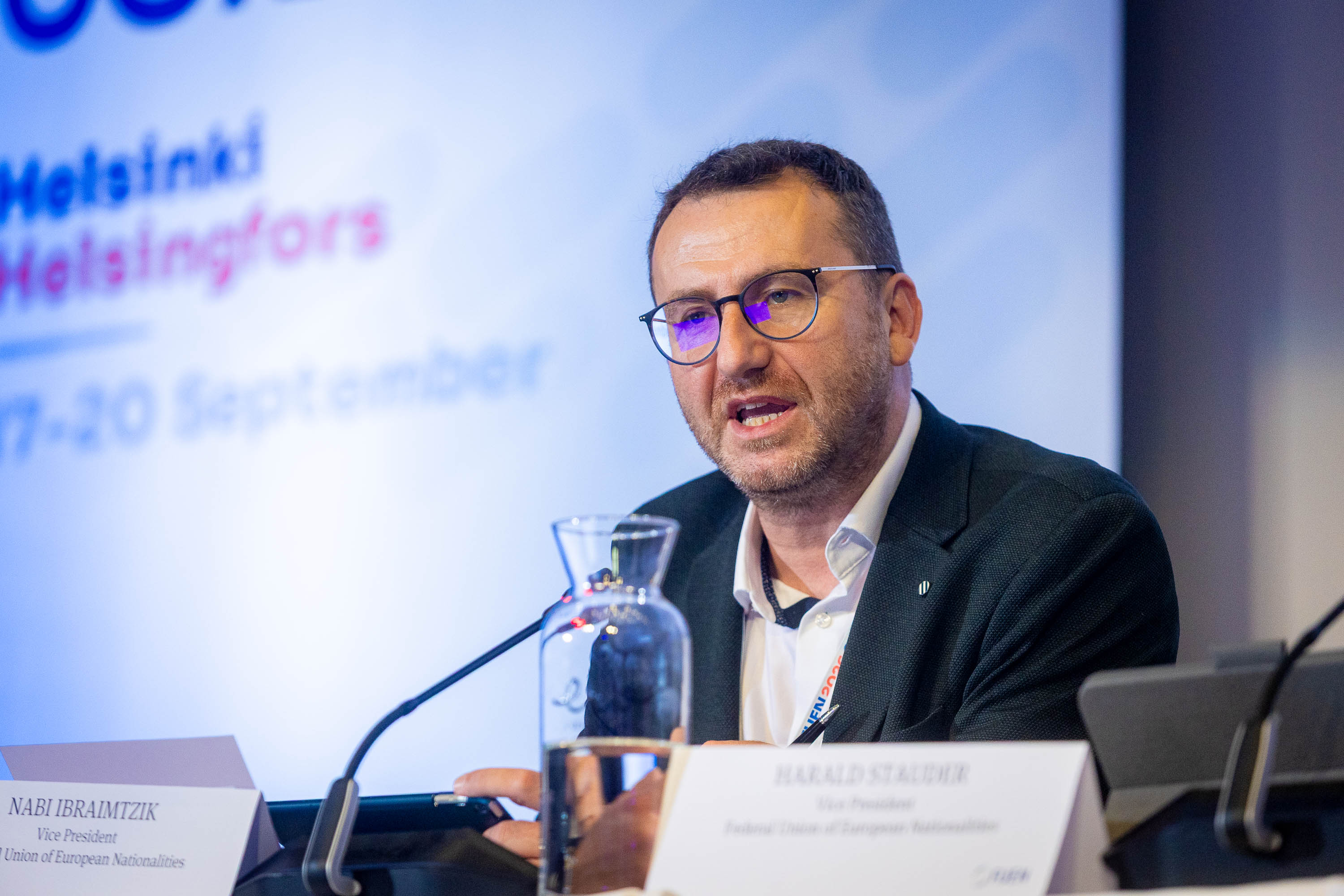
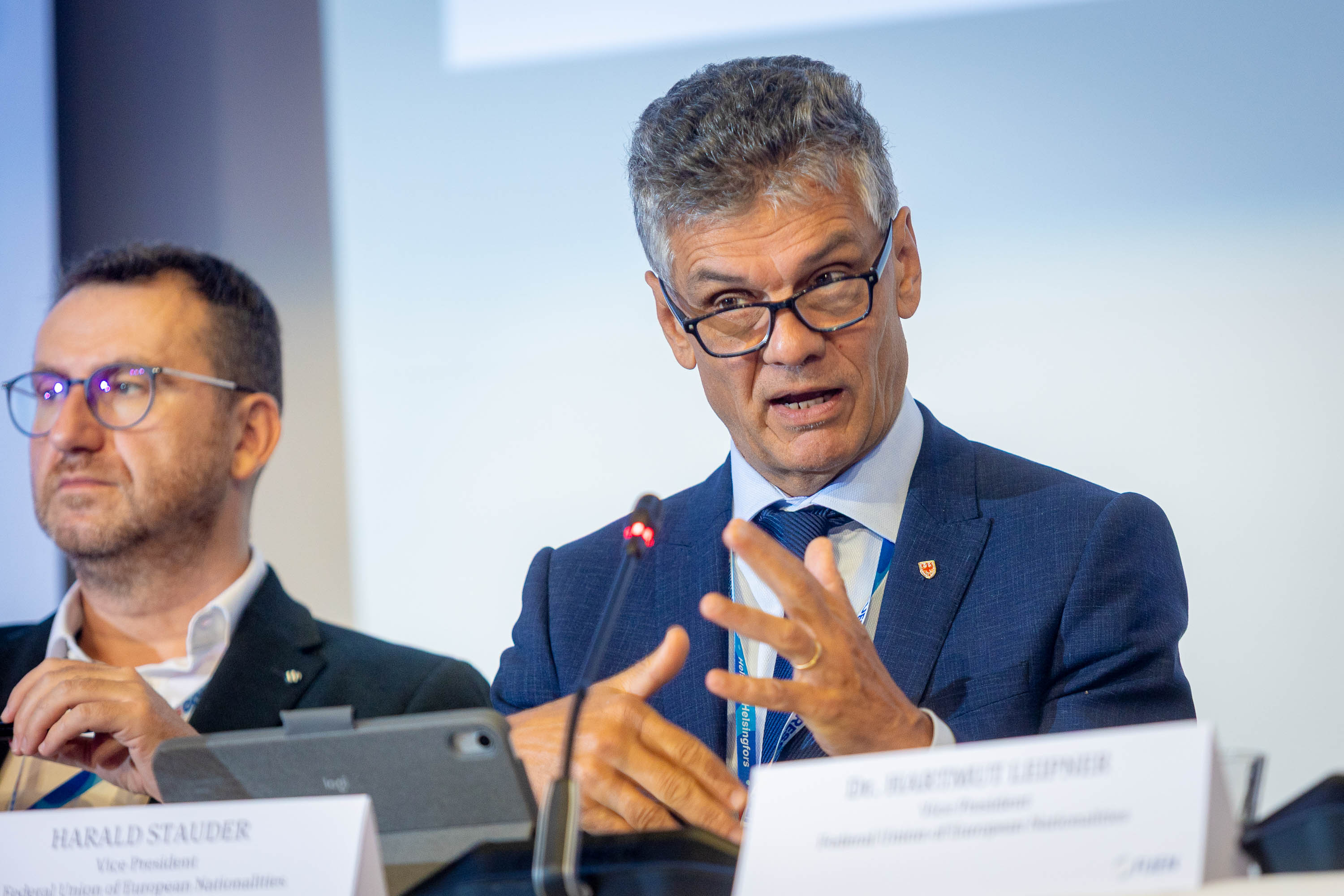
The Assembly also discussed a comprehensive revision of the FUEN Statutes. President Olivia Schubert explained that external legal reviews had identified several ambiguities and inconsistencies in the current Statutes. A proposal submitted by the Association of German Socio-Cultural Organisations in Poland (VdG) concerning Article 24 also raised questions affecting other provisions. Rather than adopting individual amendments, FUEN will establish a working group of representatives nominated by its member organisations to review the Statutes, electoral regulations and rules of procedure. The group is expected to present its proposals to the Presidium in May 2027, with the aim of submitting revised Statutes for adoption at the 2027 Congress, ahead of the next elections in 2028.
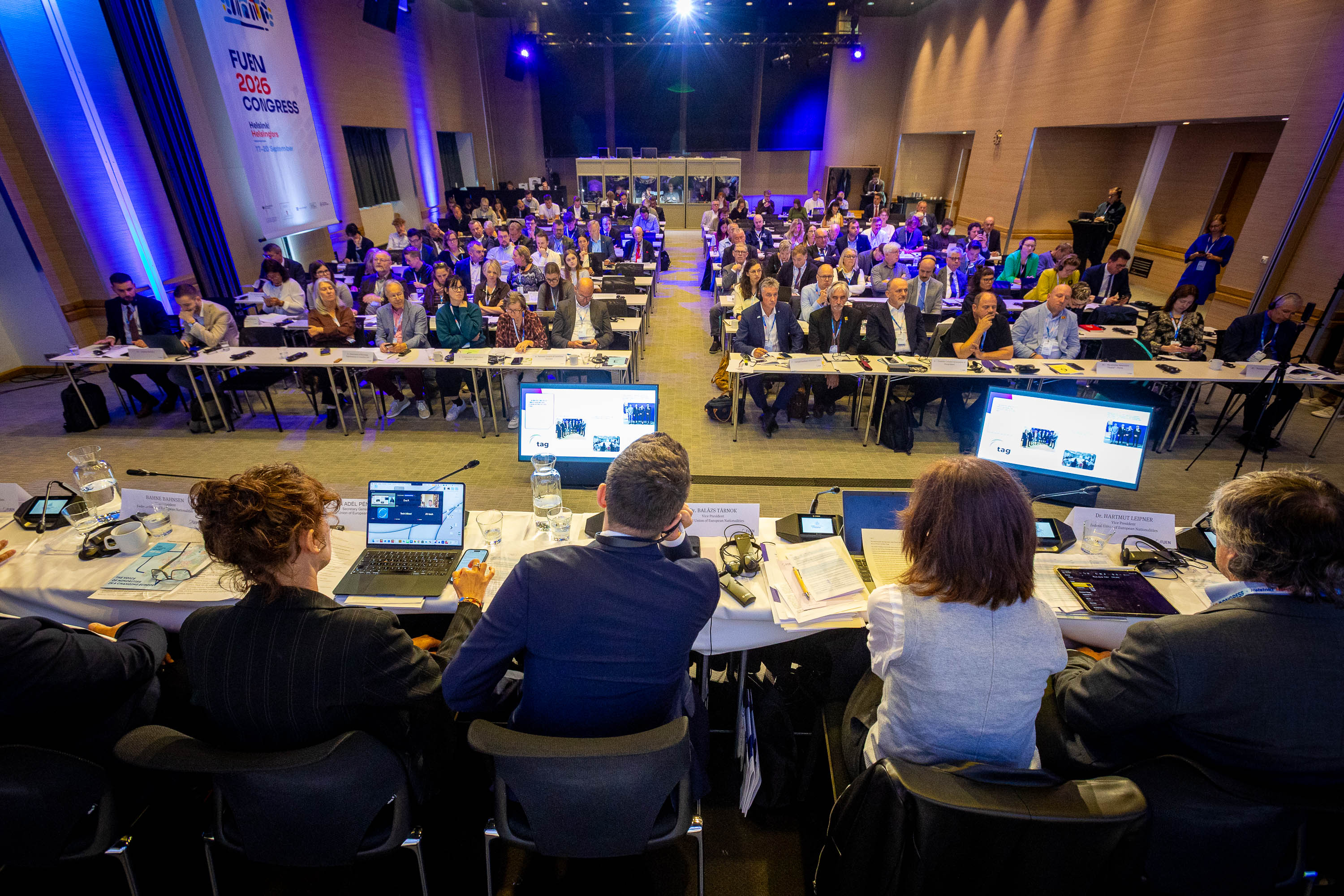
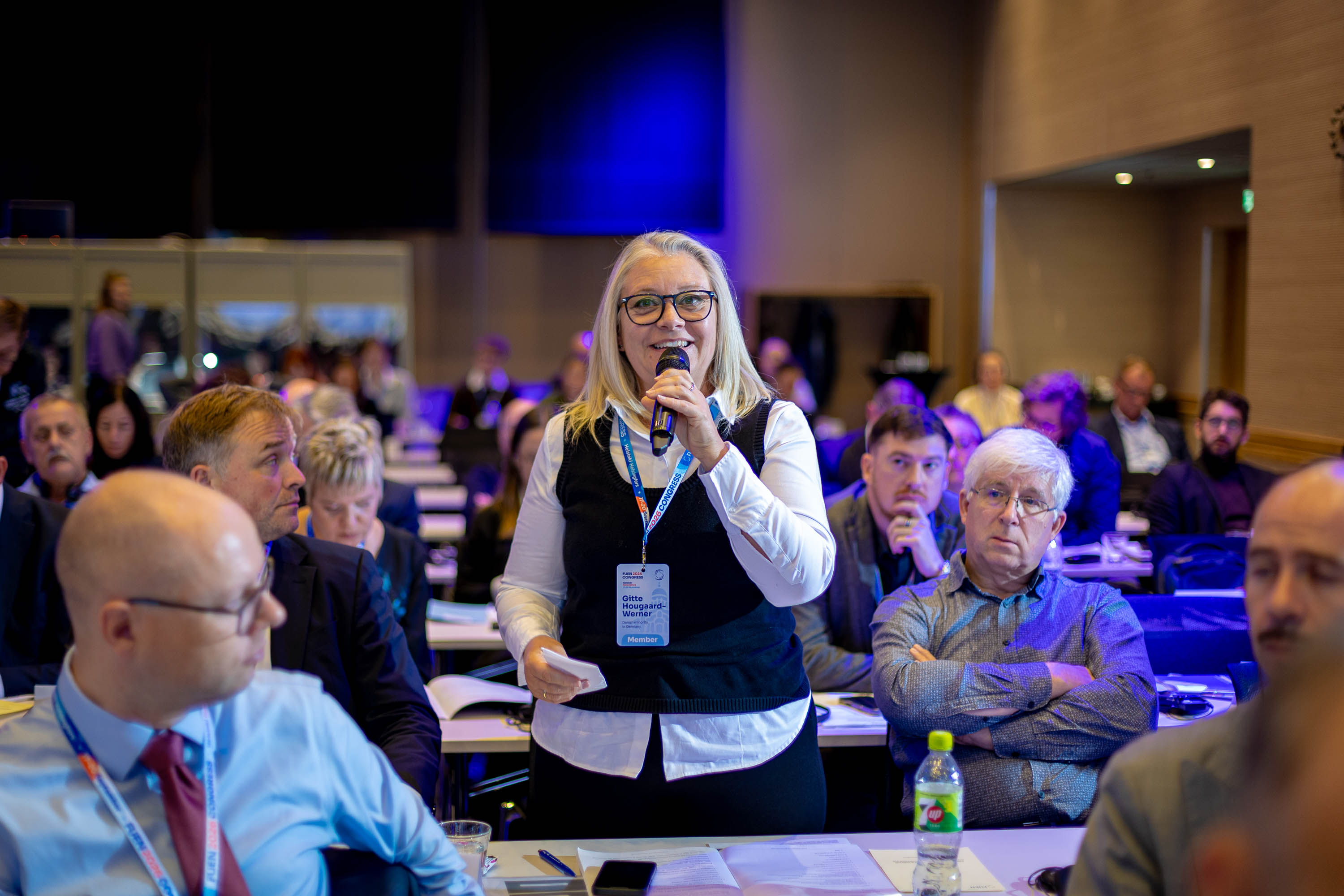
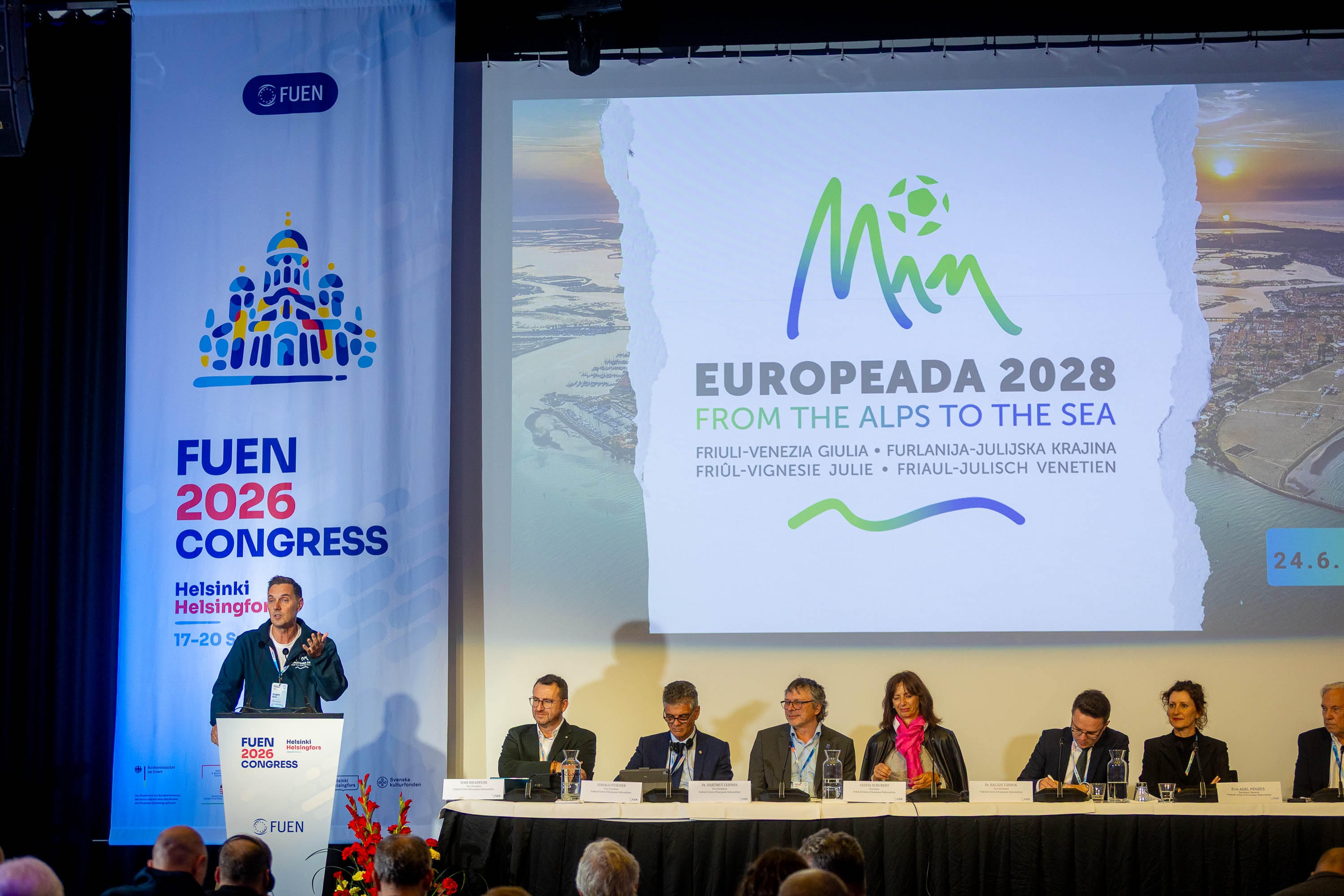
Furthermore, the delegates received updates on preparations for the FUEN Congress 2027, which will take place in the Istria region of Slovenia, hosted by the Italian Union (Unione Italiana), and EUROPEADA 2028, which will be held in Friuli-Venezia Giulia, Italy.
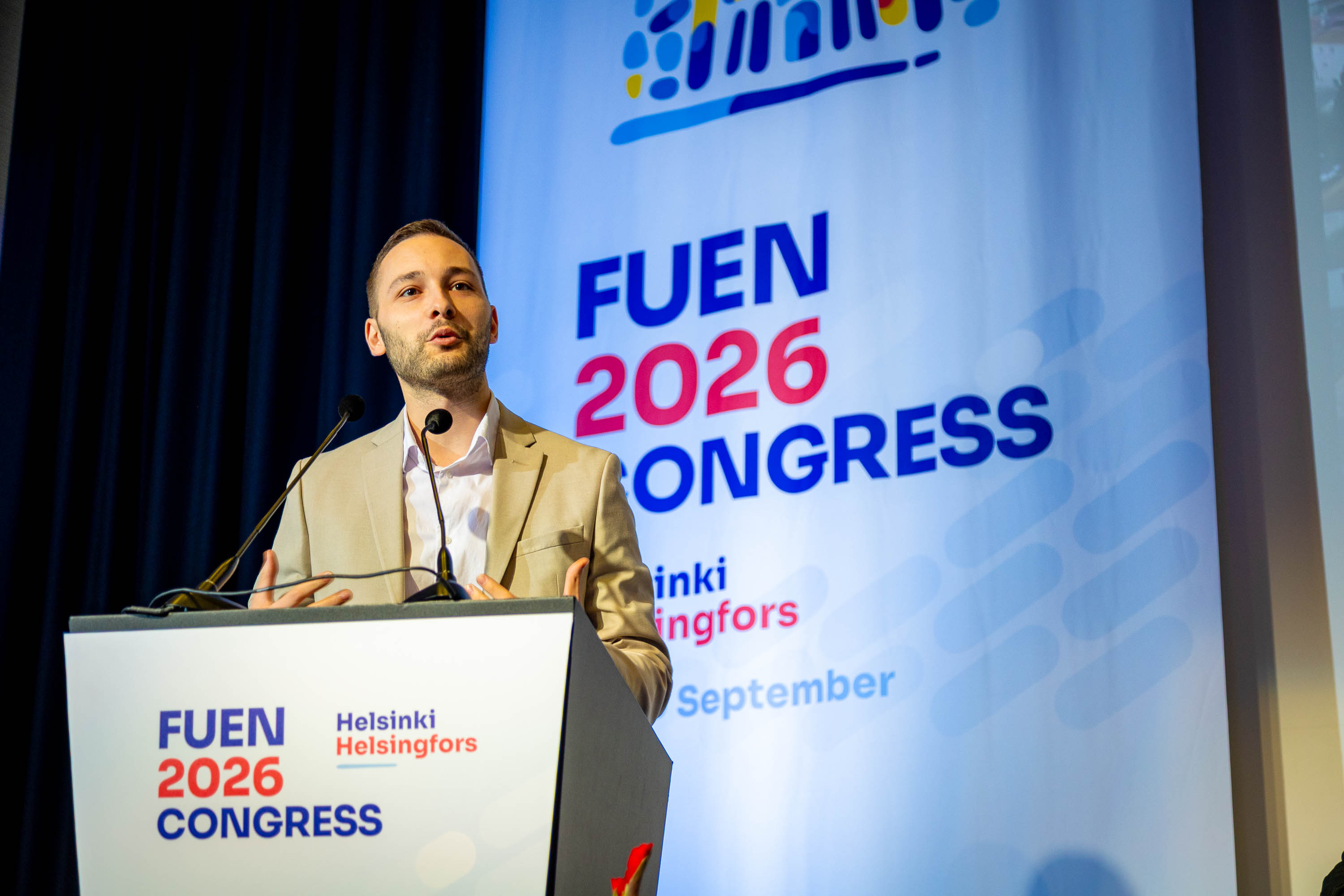
The Assembly of Delegates was one of the central events of the 70th FUEN Congress, held from 17 to 20 September 2026 at the Clarion Hotel Helsinki. Hosted by Folktinget, the Swedish Assembly of Finland, the Congress took place in the Finnish capital for the first time and brought together around 200 representatives of autochthonous national minorities and language communities from some 20 countries.
Pressemeddelelser
- 8th Annual Meeting of the FUEN Working Group on Education: vocational education, minority languages and AI in focus
- FUEN discussed minority issues with EU institutions in Brussels
- FUEN exhibition opens at the European Parliament: putting minority languages on the European agenda
- FUEN Working Group on Education meets in Eupen: Focus on vocational education, minority languages and AI
- FUEN Congress discusses geo-blocking and the protection of minority languages
- FUEN Congress Examines Mother-Tongue Access in Healthcare and Social Services
- FUEN Congress Spotlights the Future of Minority Languages in Public-Service Broadcasting
- 70th FUEN Congress opens in Helsinki/Helsingfors
- For Protection of the Cultural Identity: The Case of the Breton Community in France
- An Existence Under Question: The Case of the Greek-Orthodox Community of Istanbul