











Women of Minorities conference in Budapest calls for structural change to ensure equal political participation of minority women
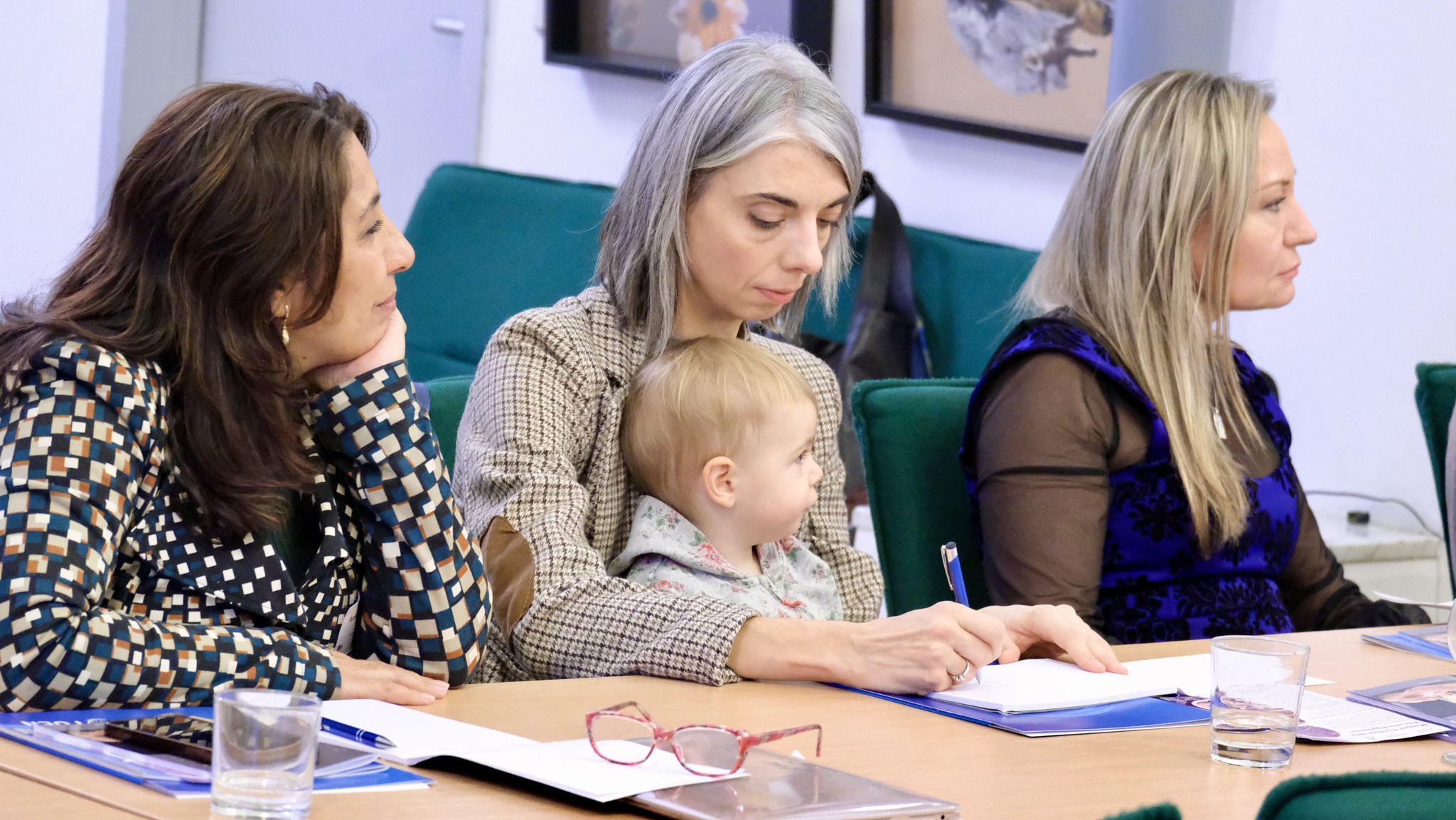
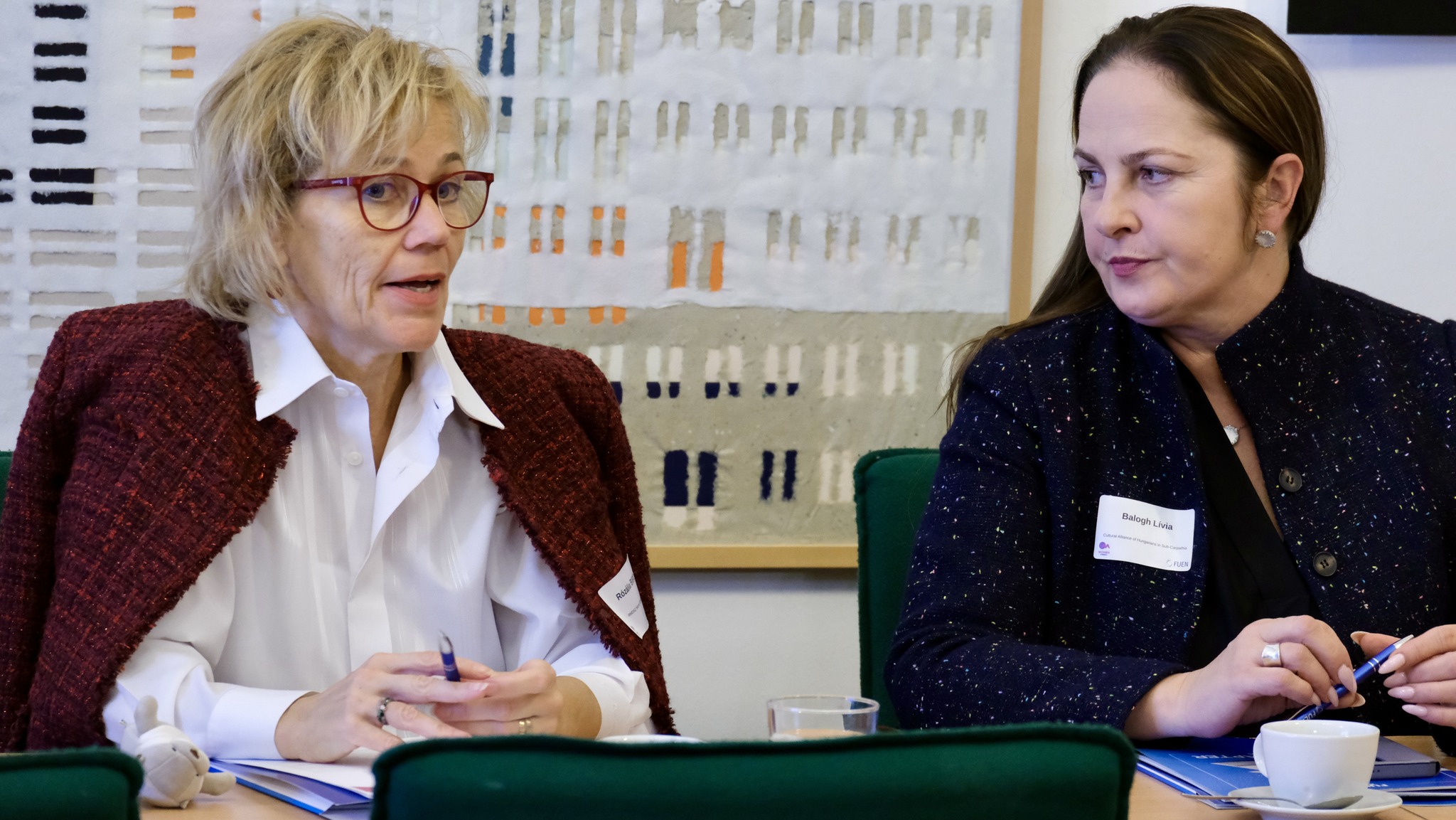
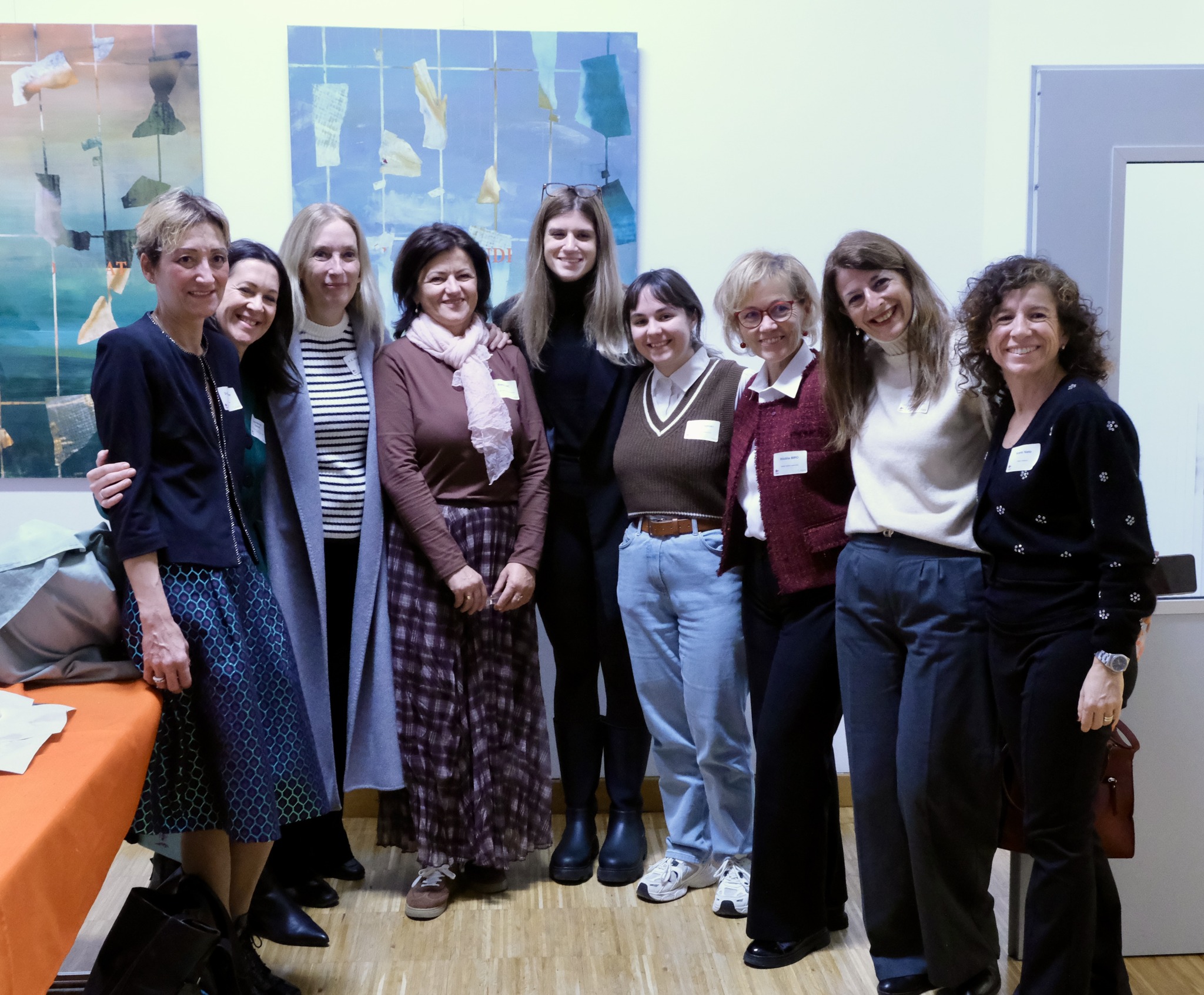
12.12.2025Ensuring that women belonging to national minorities can participate in and shape public and political life is not an optional extra, but a democratic and legal imperative. This was the key conclusion of the third thematic meeting of FUEN’s Women of Minorities project, held from 1–3 December 2025 in Budapest. The meeting was hosted by the Self-Government of Germans in Hungary (Landesselbstverwaltung der Ungarndeutschen – LdU) and opened by FUEN Secretary General Éva Pénzes. It brought together representatives of 18 minority communities from 15 European states, women’s organisations, experts and institutional partners, including the Council of Europe and the Minority Rights Group Europe, to examine which structural conditions enable or block minority women’s participation and what needs to change.
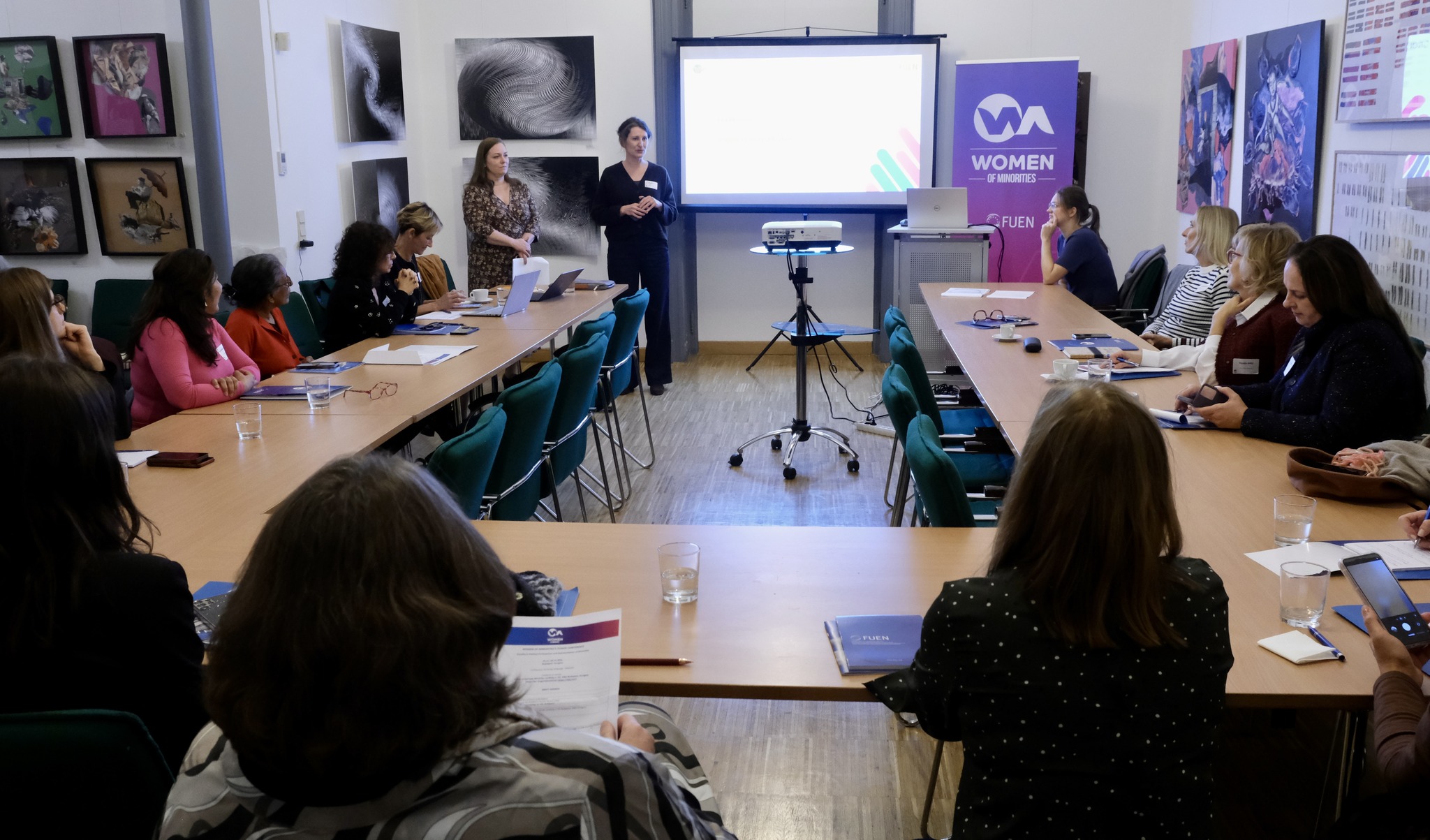
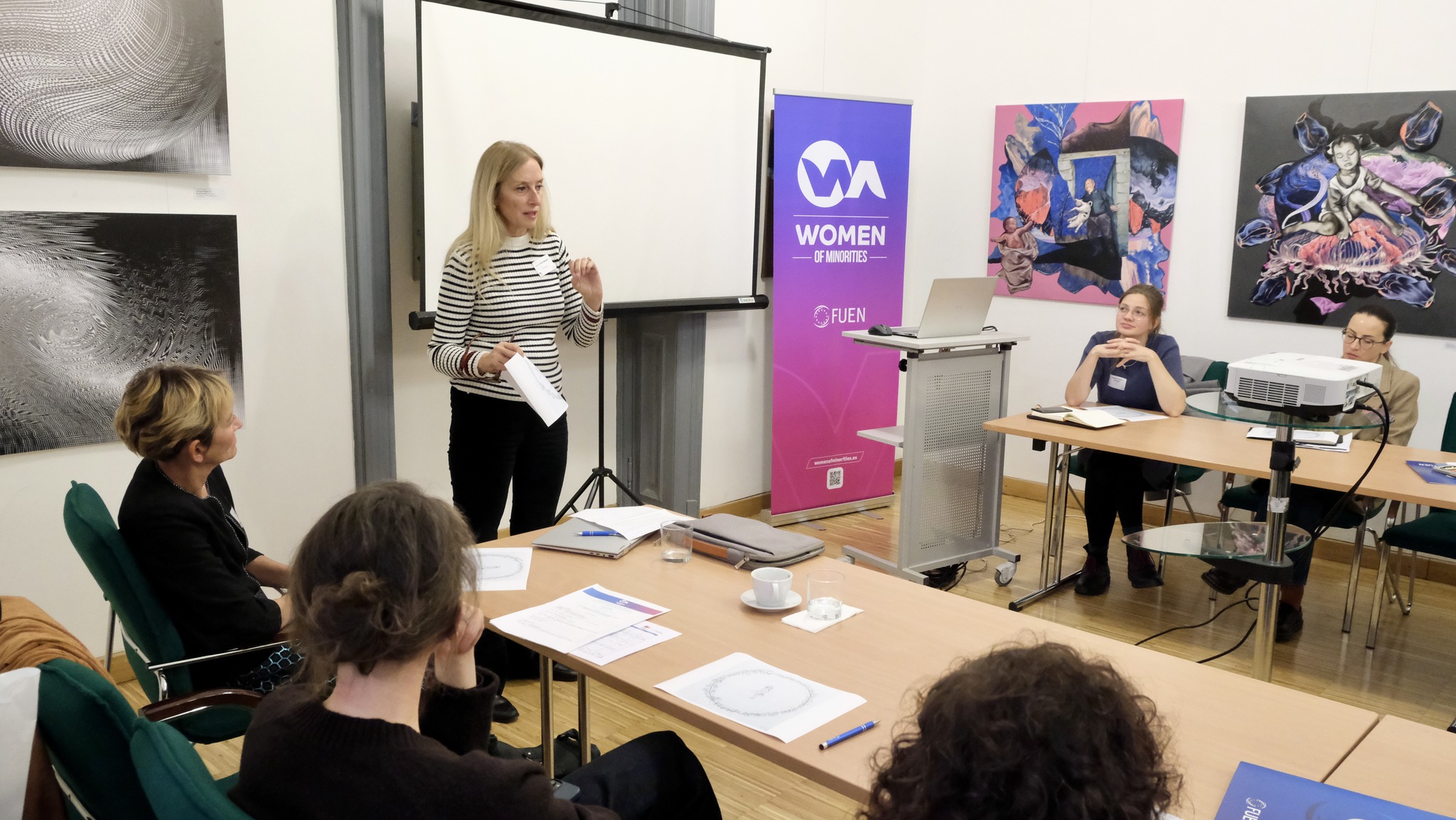
Right at the start, Anna Navarro Schlegel, Member of the Parliament of Catalonia, set the tone with a TED-talk-style input on visibility and leadership. She called on minority women to name their goals, stay focused and actively build the skills they need in times of AI and rapid change. Her message was clear: nothing great happens by accident and change requires women who lead with clarity and purpose. Her intervention encouraged participants to see leadership as something that can be learned and shared, not as an exception. It set the frame for the discussions that followed on how to turn individual commitment into structural change.
Building on this, the conference focused on systems and power structures rather than individual success stories. Participants agreed that under-representation is not a question of talent or ambition, but of patriarchy, sexism, violence and male-dominated party cultures that doubly marginalise women belonging to national minorities. Formal rights alone have not been enough to change this. Even where equality and non-discrimination are anchored in law, minority women remain largely absent from parliaments, minority self-governance structures and consultative bodies.
At the same time, European standards already provide a solid basis for more consistent action. In her keynote, Prof. Dr. Tove H. Malloy, member of the Advisory Committee on the Framework Convention for the Protection of National Minorities (FCNM), showed how gender is increasingly reflected in minority rights monitoring and stressed the need for gender-disaggregated data, targeted measures against violence and equal access to education, employment, healthcare and justice for minority women. Contributions from the Council of Europe underlined that the new Gender Equality Strategy 2024–2029 puts intersectionality and women’s political participation at the centre, while the Istanbul Convention and the case law of the European Court of Human Rights recognise violence against women as sex-based discrimination that directly limits women’s ability to take public roles. For the participants in Budapest, the message was clear: the commitments exist, the gap lies in implementation.
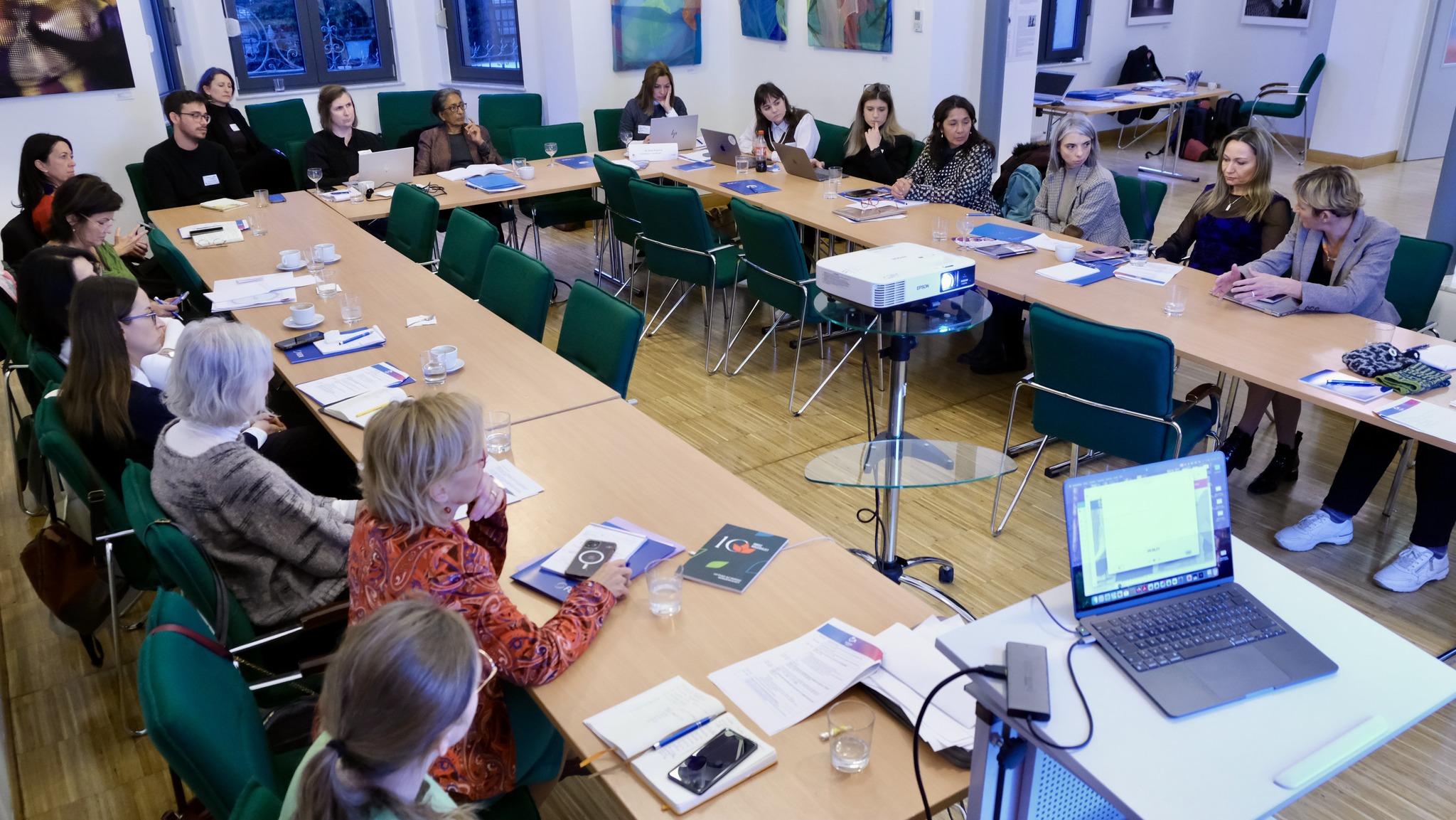
Country experiences presented during the conference showed how different legal frameworks and political arrangements translate into different realities for minority women. Where minority rights are recognised and institutionalised, through reserved seats, minority councils or strong minority parties, there is at least a pathway into politics, even if gender aspects remain weak. Where minorities lack recognition or face open hostility, women from these communities are almost entirely absent from public institutions. A cross-cutting finding was that general gender quotas rarely intersect with minority status. In many countries, quotas exist on paper, but do not lead to targeted support for women from minorities.
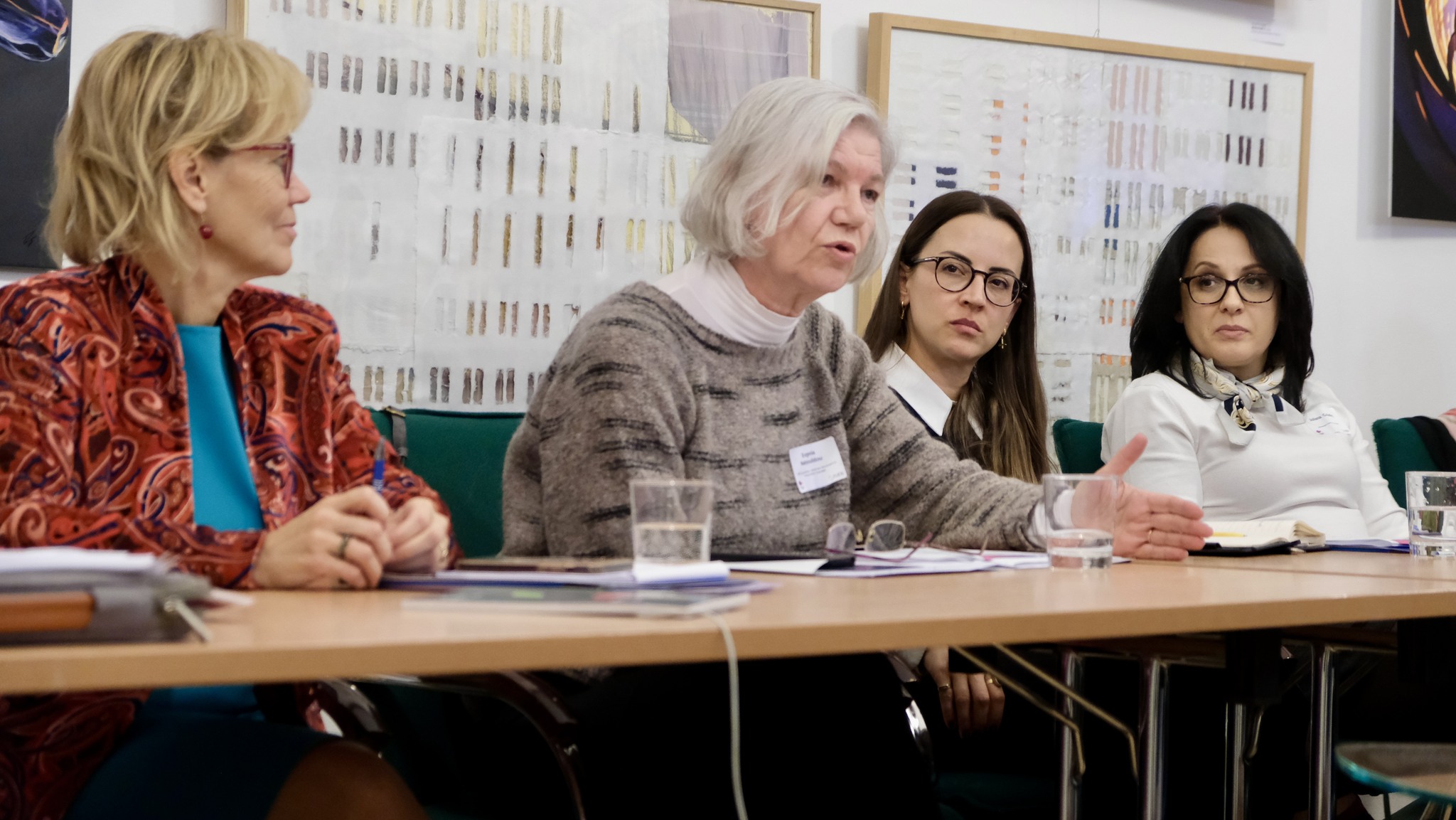
One of the few positive counterexamples discussed was the Hungarian minority party RMDSZ in Romania, which has introduced internal rules for women’s representation and invested in women’s structures and training. This shows that where rules, resources and safe political spaces exist, minority women do step forward.
Across contexts, similar everyday barriers came up: unpaid care responsibilities and time poverty, lower self-confidence, a lack of mentoring and recognition of voluntary community work and the outmigration of young women from minority regions. Many participants pointed out that minority women are very active in cultural life, education and civil society, but that this engagement does not automatically lead to positions where real decisions are made. Youth organisations and local initiatives were presented as ways to build a new generation of leaders, but their impact remains limited if party and institutional structures do not open up.
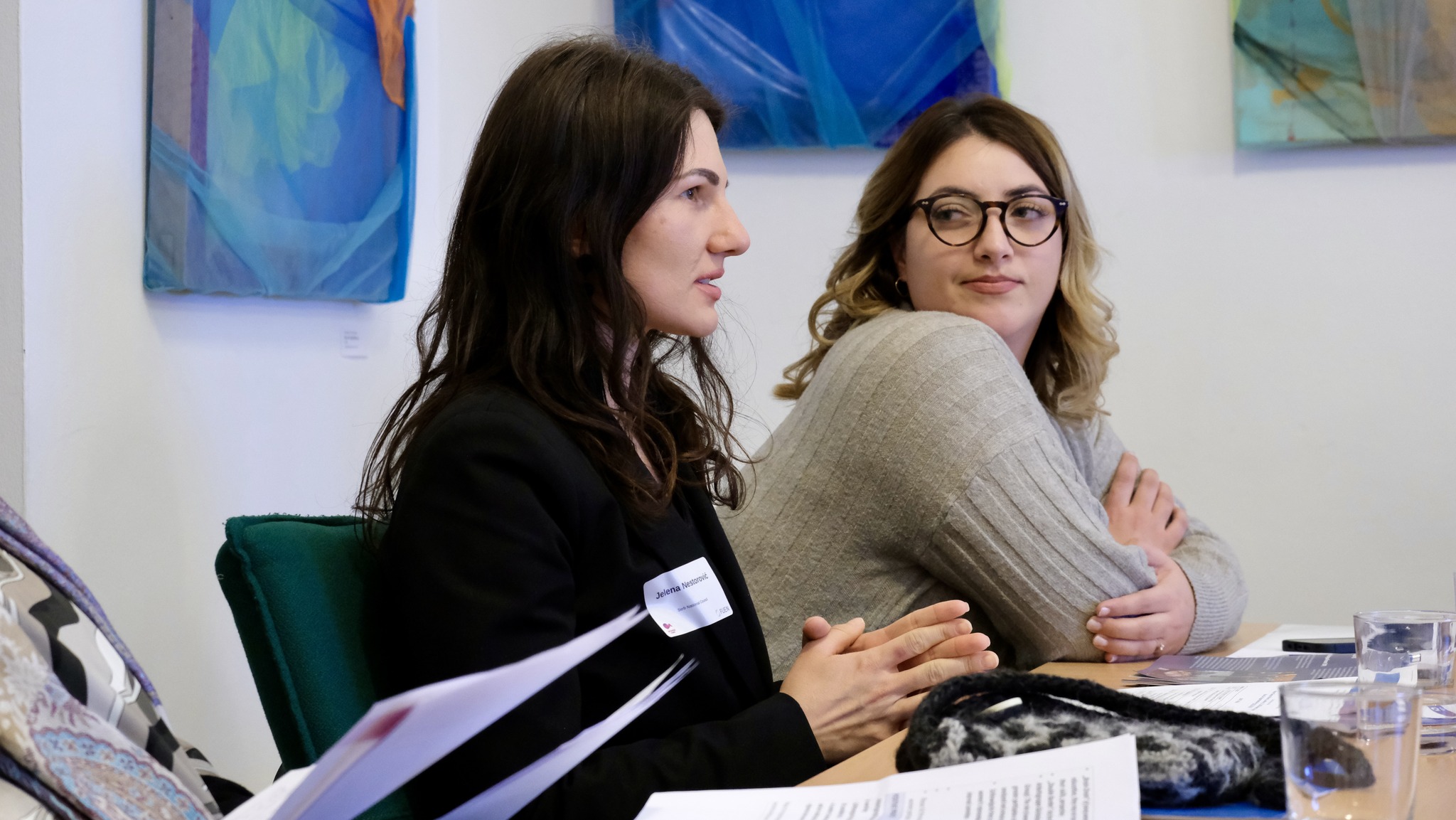
The conference also highlighted how minority women are already organising to change these structures from within. Organisations such as MENŐK in Hungary and the RMDSZ Women’s Organisation in Romania presented long-term work on leadership training, mentoring, community-based programmes and campaigns against violence. Their experiences show that strong women’s organisations, backed by political will and resources, can have a concrete impact: more women in local councils, more women in party leadership and legal reforms that address violence and discrimination. For many participants, these examples confirmed that change is possible, but requires strategic, long-term investment rather than isolated projects.
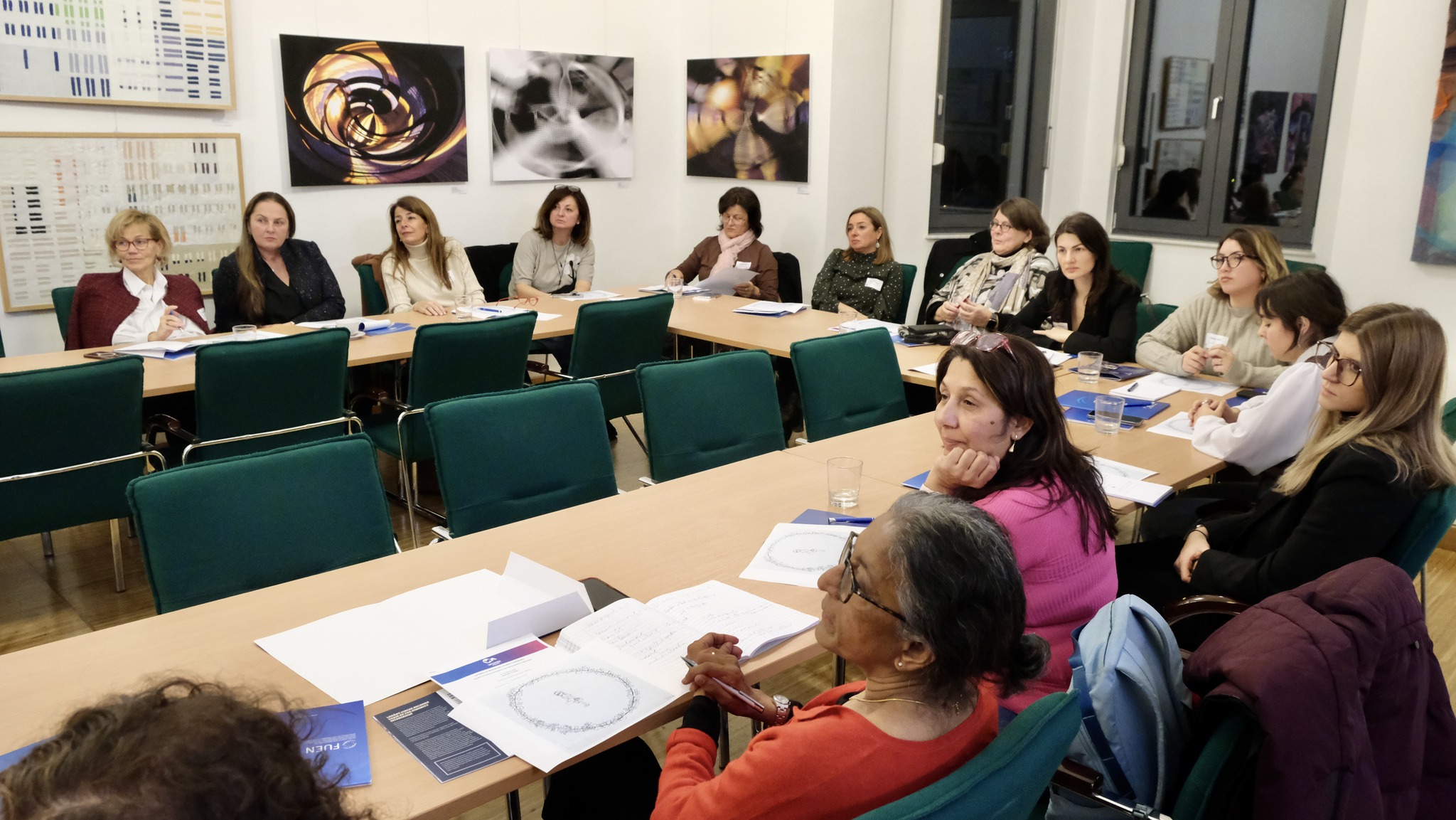
In a final workshop, the participants worked on practical measures to increase the participation and visibility of minority women in politics and public life. They agreed that the first precondition for any engagement is that women feel safe, secure and personally independent, legally, socially and economically. Beyond that, they identified tools that can be adapted in different contexts: training-of-trainers programmes and structured course networks, stronger links between minority women’s organisations across borders, after-school programmes for teenagers in minority communities, outreach in rural areas, political cafés and role-model meetings, and targeted training in public speaking and media work. Initiatives were seen as most effective when they are based on concrete needs and interests and when equality is embedded in everyday professional and community work rather than treated as a niche topic.
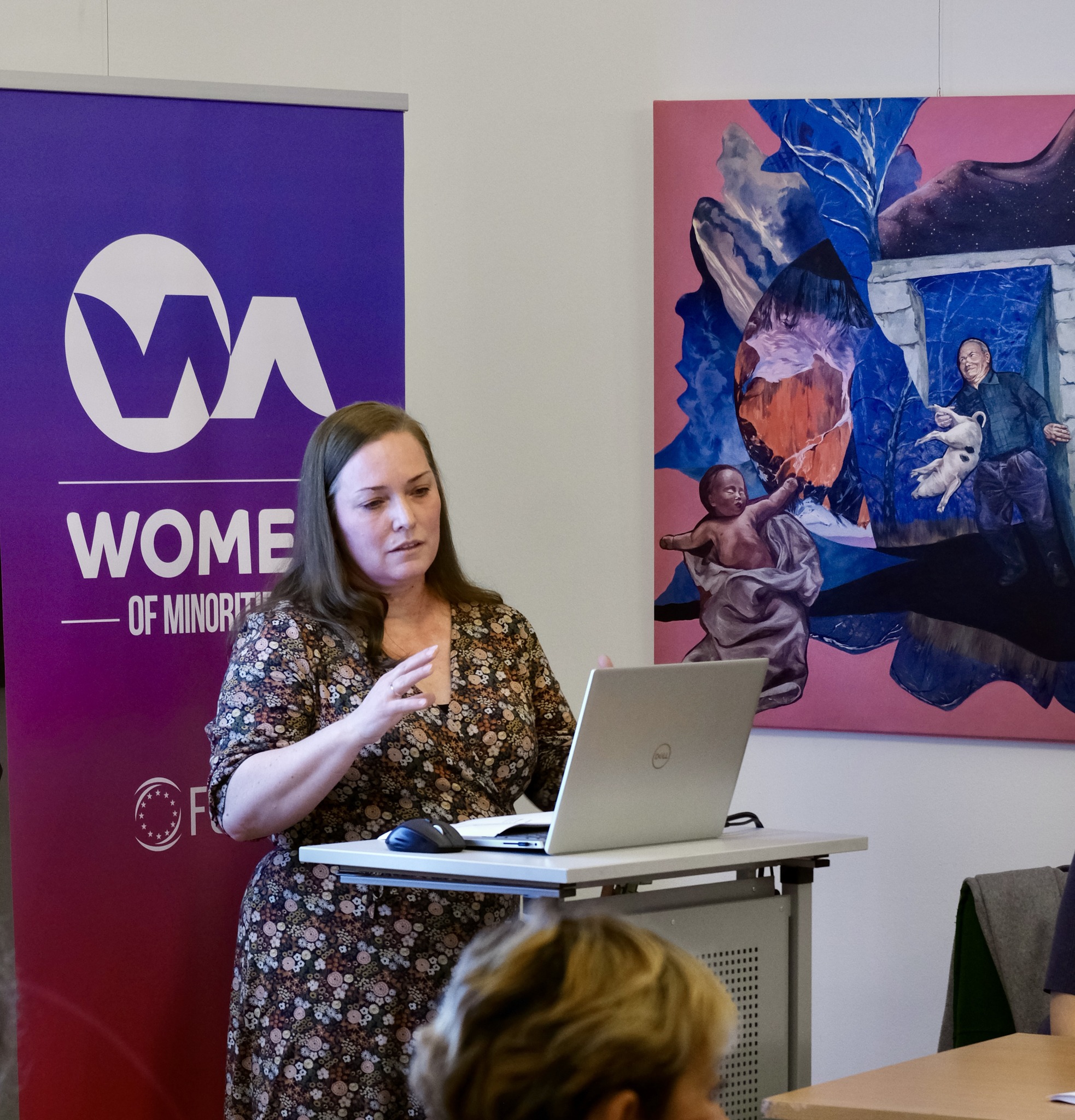
Digitalisation and social media were described as a key battlefield for the coming years. The participants expressed concern about online misogyny and anti-gender movements that shape attitudes, including among young people in minority communities, but also pointed to the potential of digital tools for awareness-raising, networking and education if minority women have the necessary skills and support. Early democratic and gender equality education for girls from national minorities, in schools and through non-formal education, was seen as crucial for building sustainable participation and leadership.
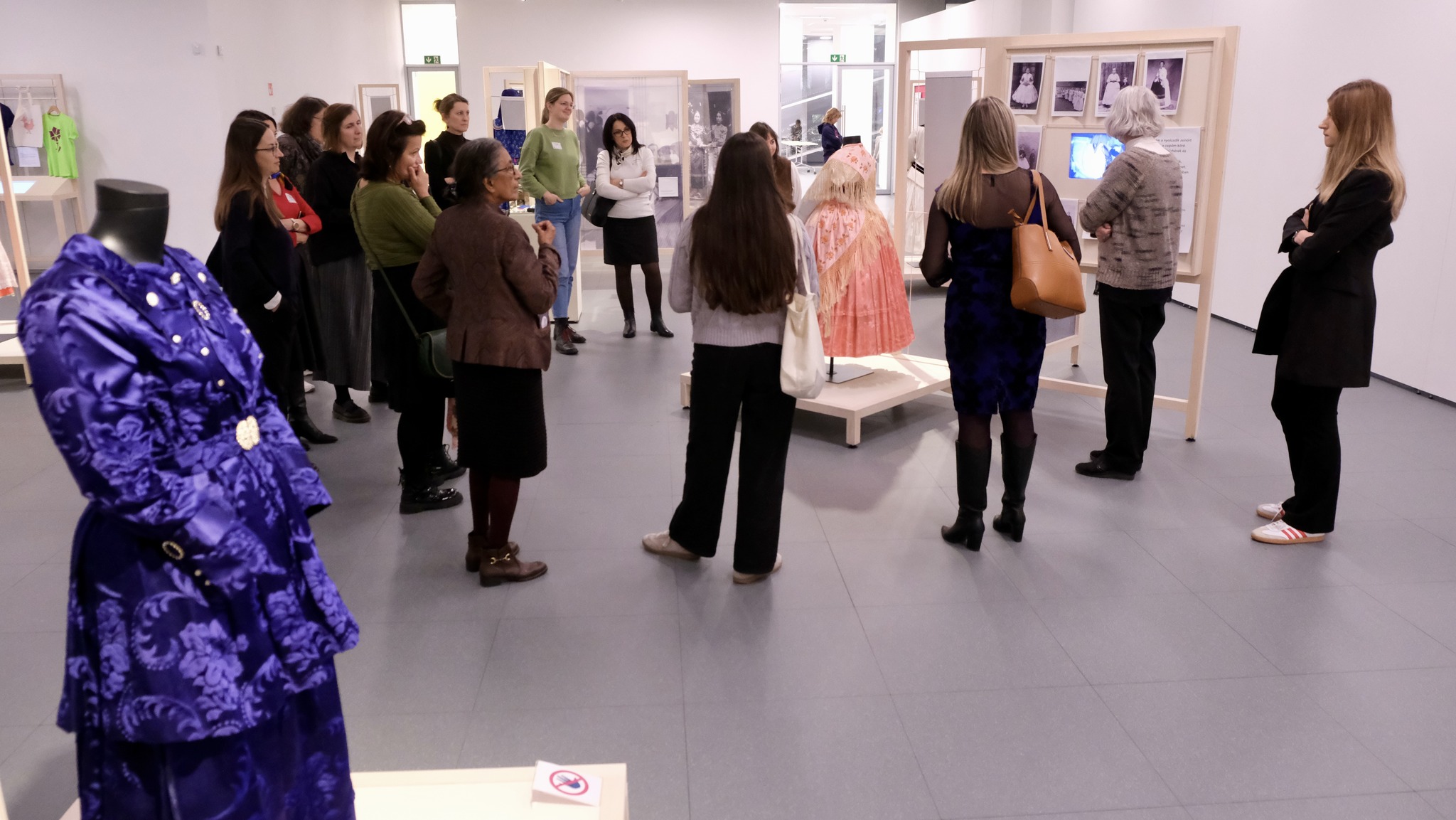
A thematic visit to the exhibition “Heavy Fabric. Women – Traditional Costume – Life Stories” at the Museum of Ethnography in Budapest added a cultural layer to the discussions, showing how women’s roles and identities have changed over time and how they are reflected in material culture. Throughout the three days, the conference combined input from European institutions and experts with concrete experiences from minority communities, bringing together standards, data, policies and grassroots practices.
For FUEN and the Women of Minorities project, the outcome of the conference is both a mandate and a roadmap. The analyses, examples and proposals collected in Budapest will serve as a reference for future activities. The next step is to translate them into concrete actions in cooperation with member organisations, women’s networks and institutional partners at local, national and European level. The aim is clear: that women belonging to national minorities are not only present in political and public life, but able to influence decisions and shape the future of their communities on an equal footing.
SAJTÓKÖZLEMÉNYEK
- 8th Annual Meeting of the FUEN Working Group on Education: vocational education, minority languages and AI in focus
- FUEN discussed minority issues with EU institutions in Brussels
- FUEN exhibition opens at the European Parliament: putting minority languages on the European agenda
- FUEN Working Group on Education meets in Eupen: Focus on vocational education, minority languages and AI
- FUEN Assembly of Delegates 2026 calls for greater inclusion of minority languages in artificial intelligence
- FUEN Congress discusses geo-blocking and the protection of minority languages
- FUEN Congress Examines Mother-Tongue Access in Healthcare and Social Services
- FUEN Congress Spotlights the Future of Minority Languages in Public-Service Broadcasting
- 70th FUEN Congress opens in Helsinki/Helsingfors
- For Protection of the Cultural Identity: The Case of the Breton Community in France