










Minorities without a kin-state come together in Fryslân
01.06.2026What do the Roma, Sorbs and Frisians, the Ladins, Pomaks and Meskhetian Turks have in common? Their representatives belong to minorities that have neither a state of their own nor a neighbouring state in which they form the majority. This is precisely why they face similar challenges when it comes to preserving and maintaining their language, culture and identity. Exchange between these communities is therefore all the more important. The Non-Kin-State Working Group (NKS), under the umbrella of FUEN, provides a platform for this exchange.
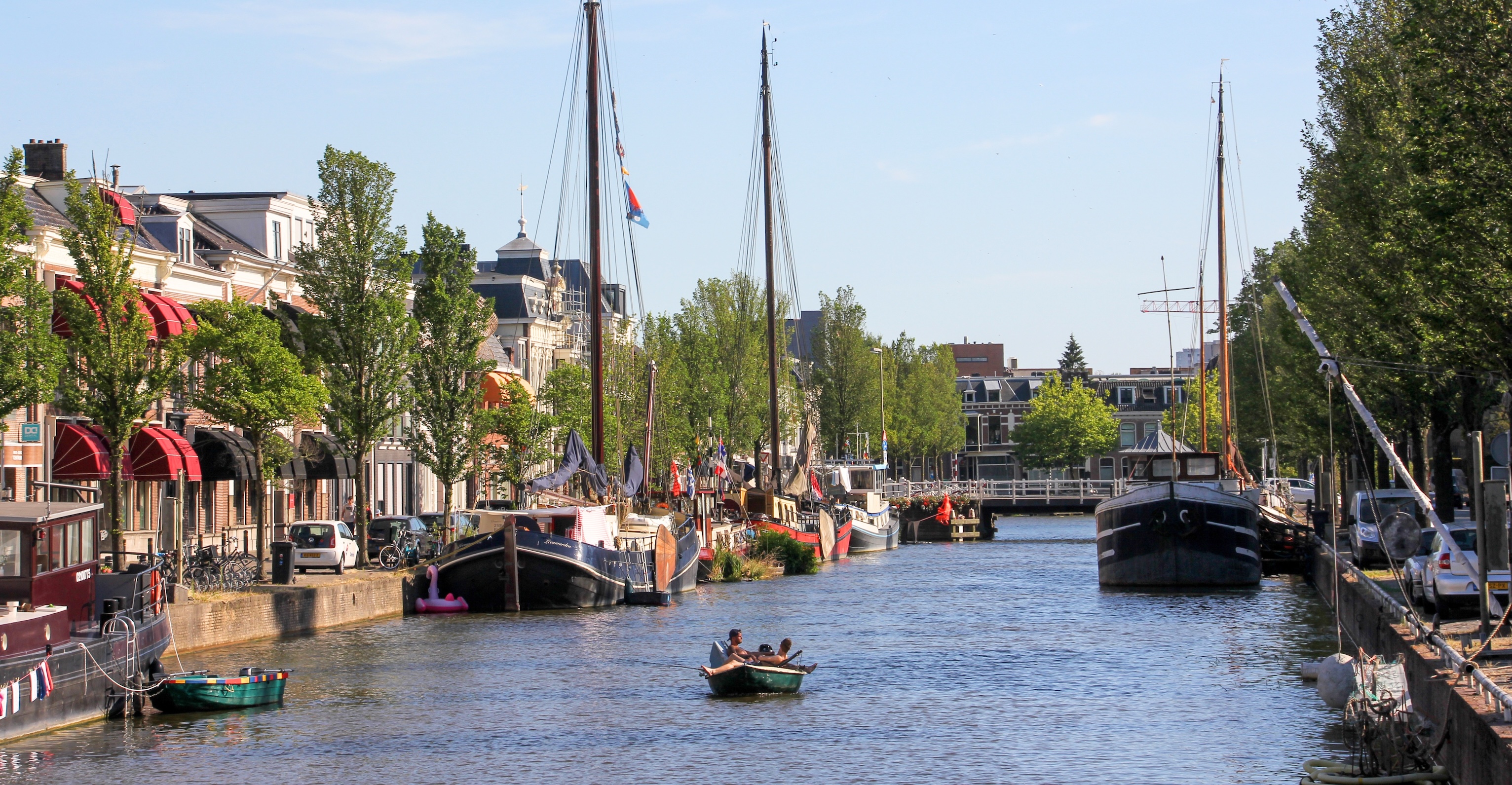
From 2 to 5 July 2026, the Working Group will come together for its tenth annual meeting, this time in Ljouwert/Leeuwarden in the province of Fryslân/Friesland in the Netherlands. The conference will be hosted by the Frisian FUEN member organisation De Fryske Beweging, which works to promote the West Frisian language and culture.
The focus of this year’s meeting will be “Digital presence of minority languages”. Discussions will centre on how minority languages can become more visible in the digital sphere, for example through digital language resources, new applications, or initiatives from the fields of media, education and civil society.
“As a member of the North Frisian minority, I know from personal experience how important it is for our languages to be present in the digital sphere as well,” says FUEN Vice-President Bahne Bahnsen, Spokesperson of the Non-Kin-State Working Group. “When minority languages appear in apps, media and online platforms, they remain part of everyday life, especially for young people. At the same time, through our linguistic diversity, we strengthen Europe’s cultural originality, its quality of life and the opportunities for many people to identify with it.”
The programme includes several working sessions with contributions from different fields. Among other things, projects on the digital documentation and use of minority languages will be presented, as well as initiatives that involve young people more closely in the digital presence of their languages. These programme items will be complemented by discussion rounds with representatives from research, media and language initiatives.
In addition to the thematic discussions, internal working sessions of the Working Group are also planned. Country reports will be presented, current developments discussed, and the next steps in the NKS work as well as the 2027 annual meeting will be prepared.
The programme will also offer an opportunity to learn more about Frisian history and culture, including a visit to the Fries Museum in Ljouwert/Leeuwarden and excursions in the region. Ljouwert/Leeuwarden was also European Capital of Culture in 2018.
You will be able to follow the course of the meeting on FUEN’s social media channels.
Background: The FUEN Non-Kin-State Working Group
The Non-Kin-State Working Group was established by FUEN in 2017 to provide minorities without a kin-state with an opportunity to discuss their specific concerns and challenges, find solutions, and develop joint strategies for preserving their small languages and cultures. It currently brings together 43 organisations from 19 different countries. Its Spokesperson is FUEN Vice-President Bahne Bahnsen.
Working Group website: nks.fuen.org
Pressemeddelelser
- 8th Annual Meeting of the FUEN Working Group on Education: vocational education, minority languages and AI in focus
- FUEN discussed minority issues with EU institutions in Brussels
- FUEN exhibition opens at the European Parliament: putting minority languages on the European agenda
- FUEN Working Group on Education meets in Eupen: Focus on vocational education, minority languages and AI
- FUEN Assembly of Delegates 2026 calls for greater inclusion of minority languages in artificial intelligence
- FUEN Congress discusses geo-blocking and the protection of minority languages
- FUEN Congress Examines Mother-Tongue Access in Healthcare and Social Services
- FUEN Congress Spotlights the Future of Minority Languages in Public-Service Broadcasting
- 70th FUEN Congress opens in Helsinki/Helsingfors
- For Protection of the Cultural Identity: The Case of the Breton Community in France