















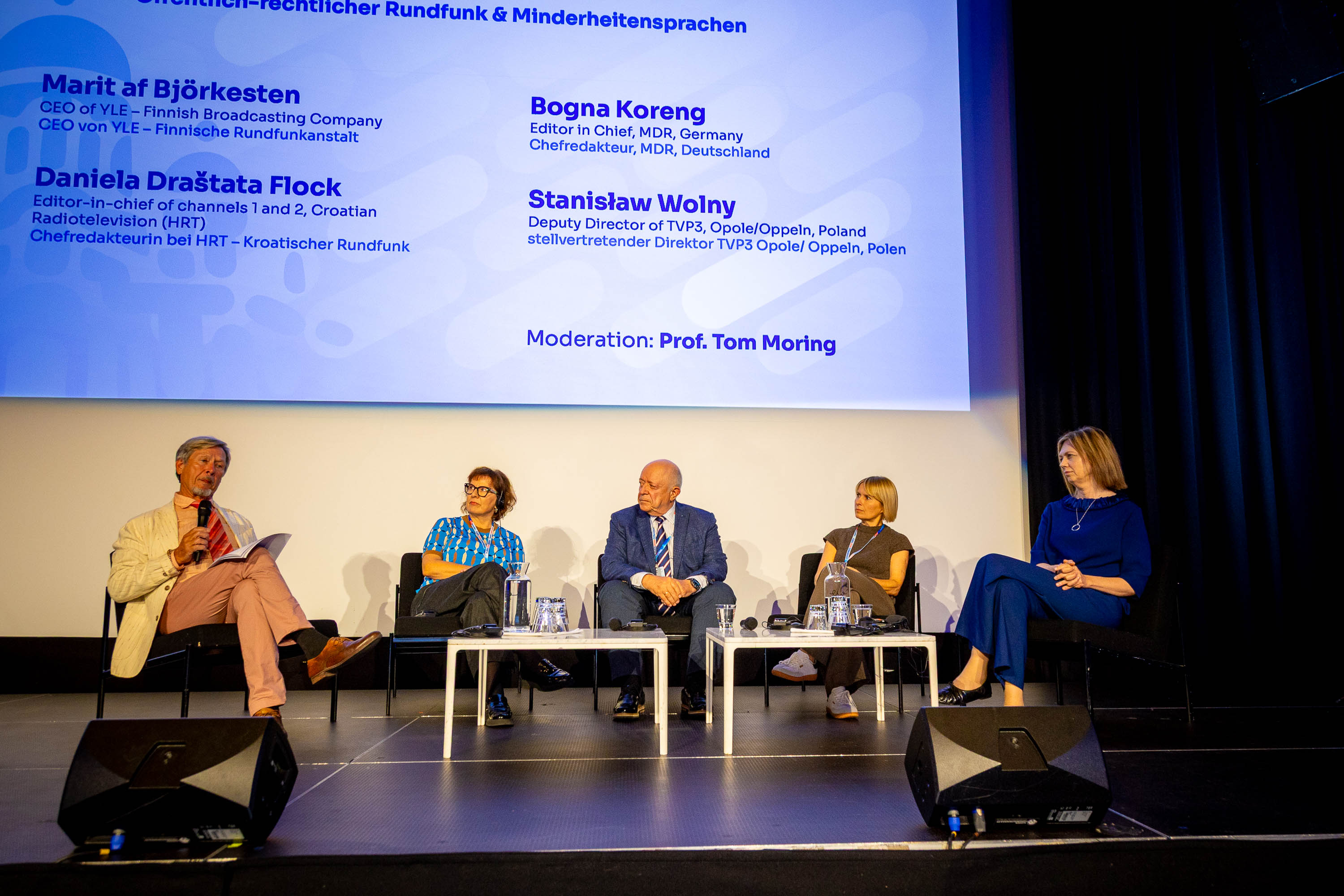
FUEN Congress Spotlights the Future of Minority Languages in Public-Service Broadcasting
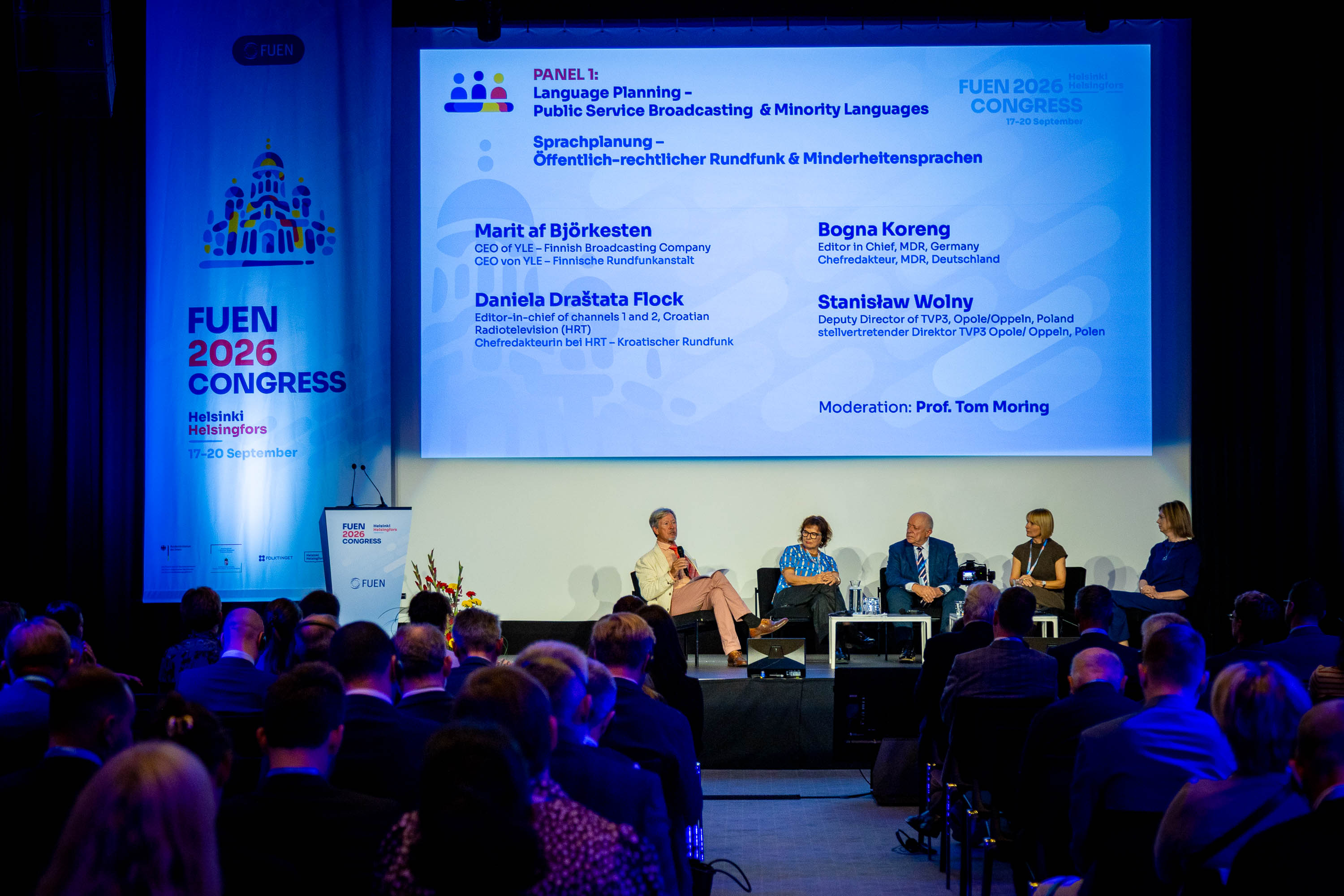
18.09.2026How can public-service media ensure that Europe’s linguistic diversity thrives in an era of rapid digital transformation, streaming algorithms, and artificial intelligence? This vital question took center stage at the 70th Annual Congress of the Federal Union of European Nationalities (FUEN) in Helsinki/Helsingfors on Thursday, 17 September. Broadcast leaders, journalists, and media experts from across Europe gathered to evaluate the indispensable civic role of public broadcasters, the challenges of youth engagement, and the opportunities and ethical guardrails needed when deploying new technologies.
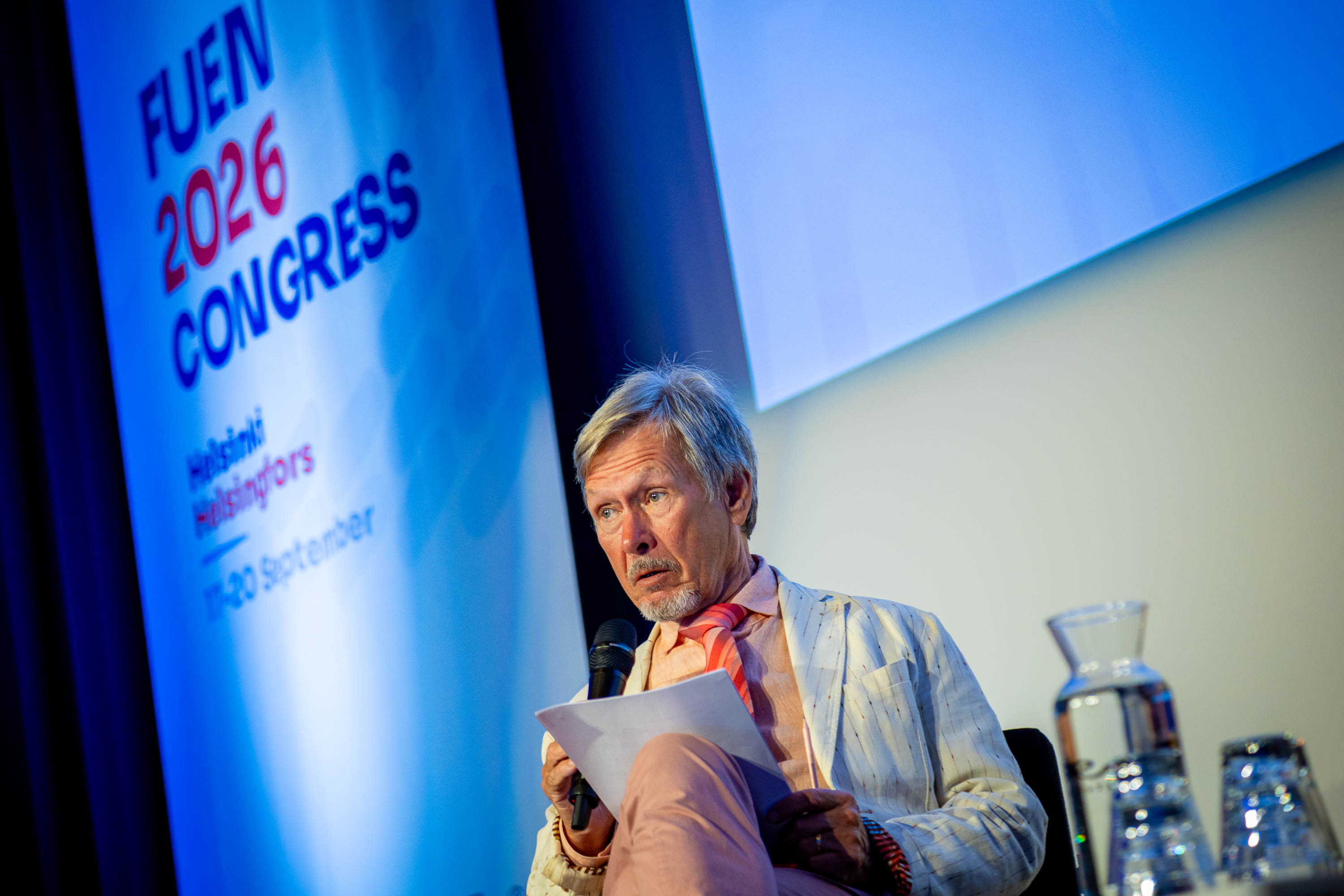
The panel, “Language Planning in Public-Service Broadcasting and Minority Languages”, was moderated by Professor Emeritus Tom Moring of the University of Helsinki. He highlighted the essential role of public-service media in supporting minority languages, making communities visible and providing content that commercial media often cannot offer. While digital platforms and artificial intelligence create new opportunities, they also increase competition with majority languages and pose challenges for smaller language communities.
Marit af Björkesten, CEO of the Finnish Broadcasting Company Yle, stressed that public-service media should build bridges between language communities. She highlighted how Swedish-language programmes can reach wider audiences through Finnish-language channels. While AI can support multilingual journalism, she emphasised that cultural understanding and editorial responsibility require human involvement.
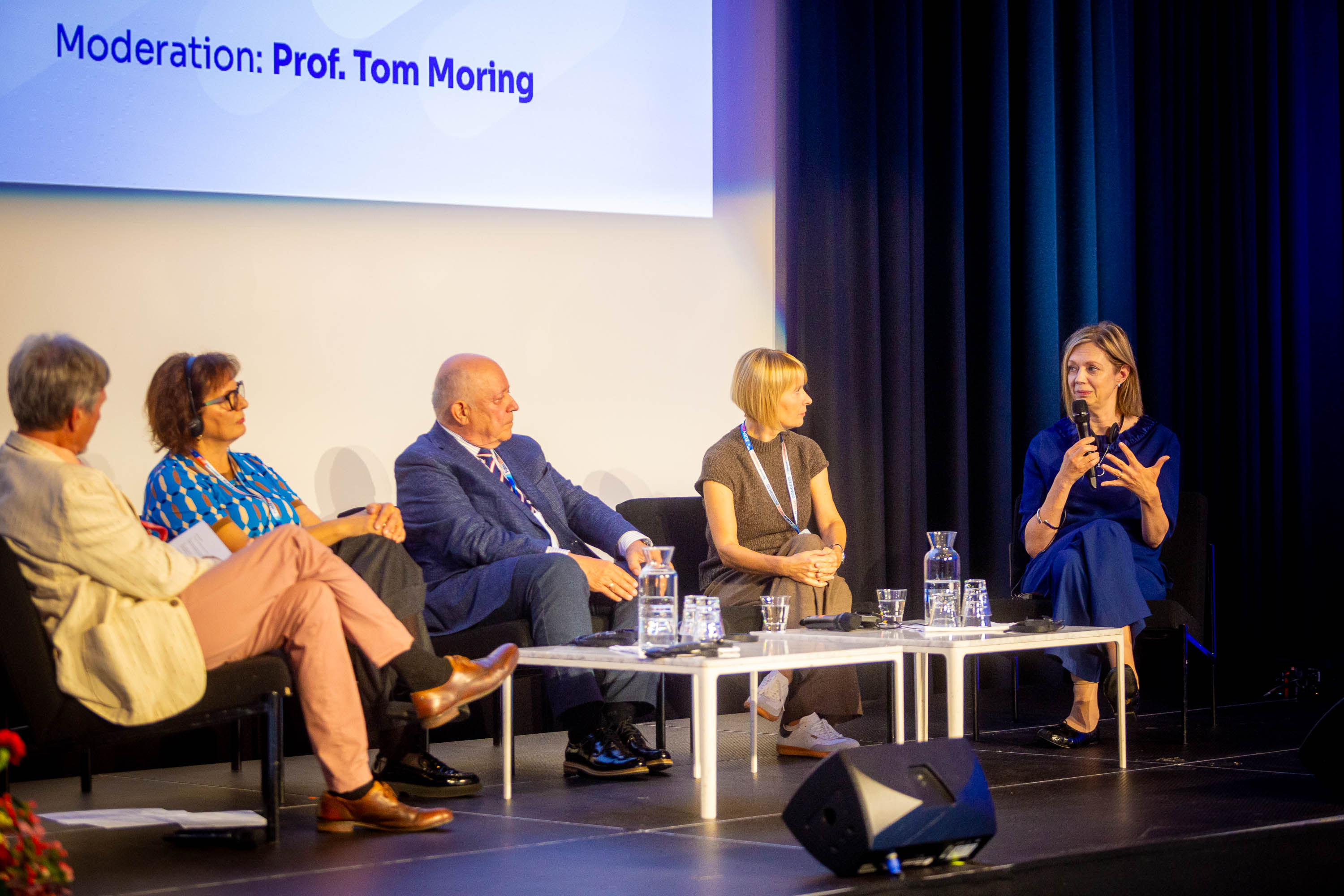
Daniela Draštata Flock, Editor-in-Chief of Channels 1 and 2 at Croatian Radiotelevision (HRT), argued that minority content must be engaging and relevant to reach audiences beyond individual communities. She called for minority perspectives to be incorporated into mainstream programming and for greater use of digital platforms to reach younger generations. AI could also help make broadcasters’ archives more accessible, she noted, but editorial decisions must remain with journalists.
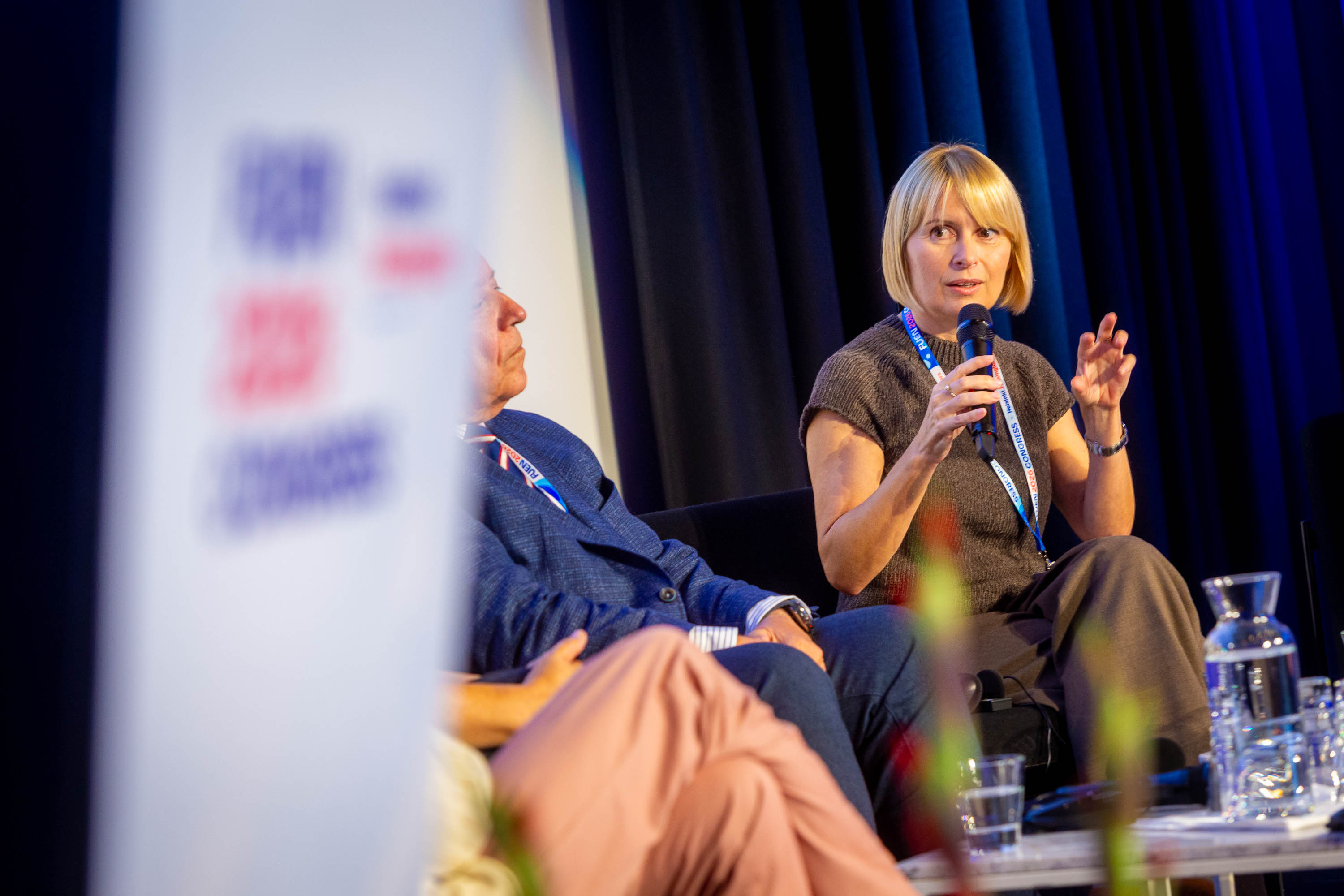
Bogna Koreng, Editor-in-Chief at MDR in Germany, emphasised the importance of enabling minorities to tell their own stories. Drawing on the experience of Sorbian broadcasting, she highlighted the success of involving young people directly in content production. She also pointed to the potential of digital platforms and AI to expand the limited availability of Sorbian-language content, particularly for children.
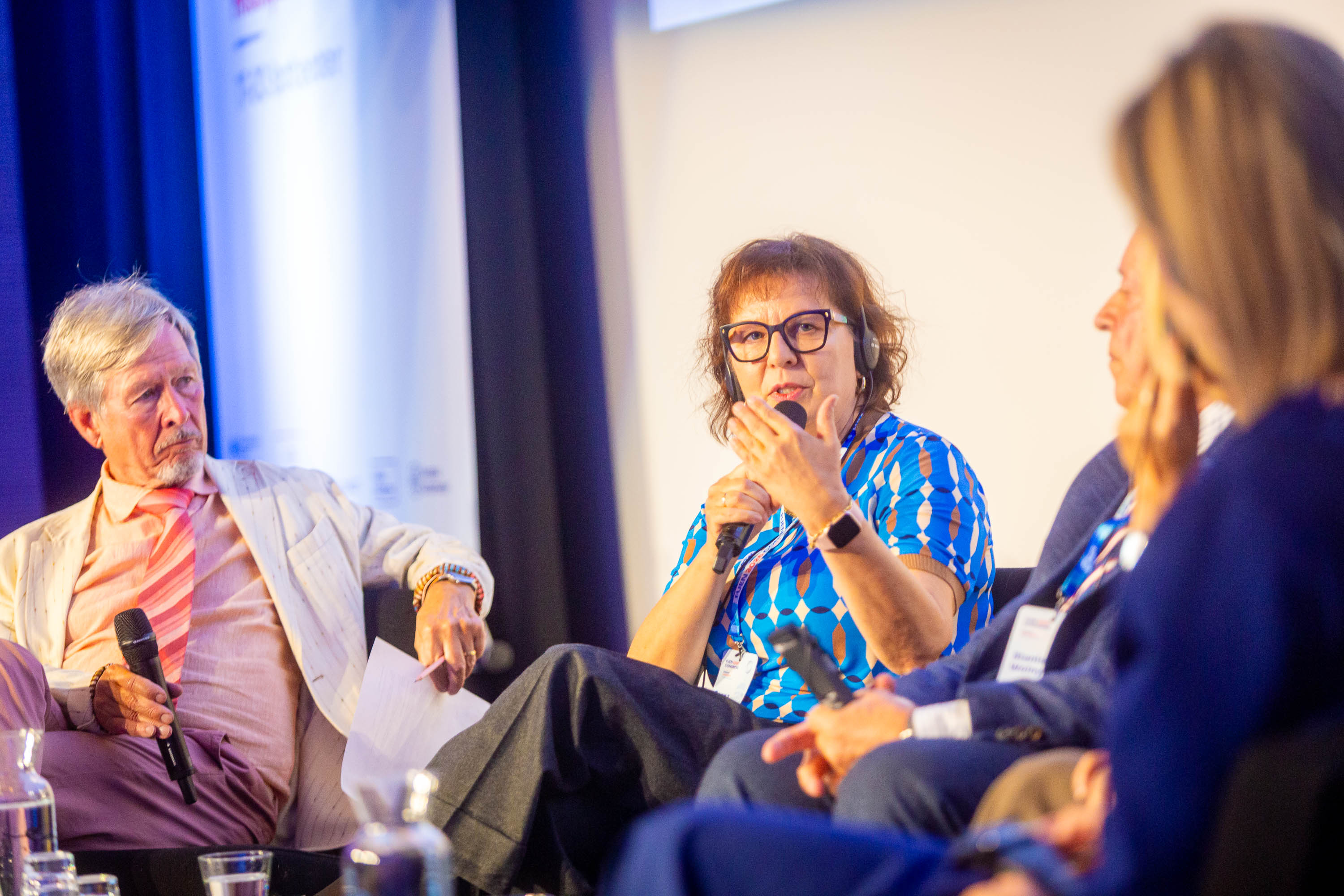
Stanisław Wolny, Deputy Director of TVP3 Opole/Oppeln in Poland, presented Schlesien Journal, a programme for the German minority. He stressed that broadcasters must first build relationships with young audiences through digital formats before engaging them in more complex issues. He also warned of AI-generated disinformation and emphasised the continuing importance of human journalism.
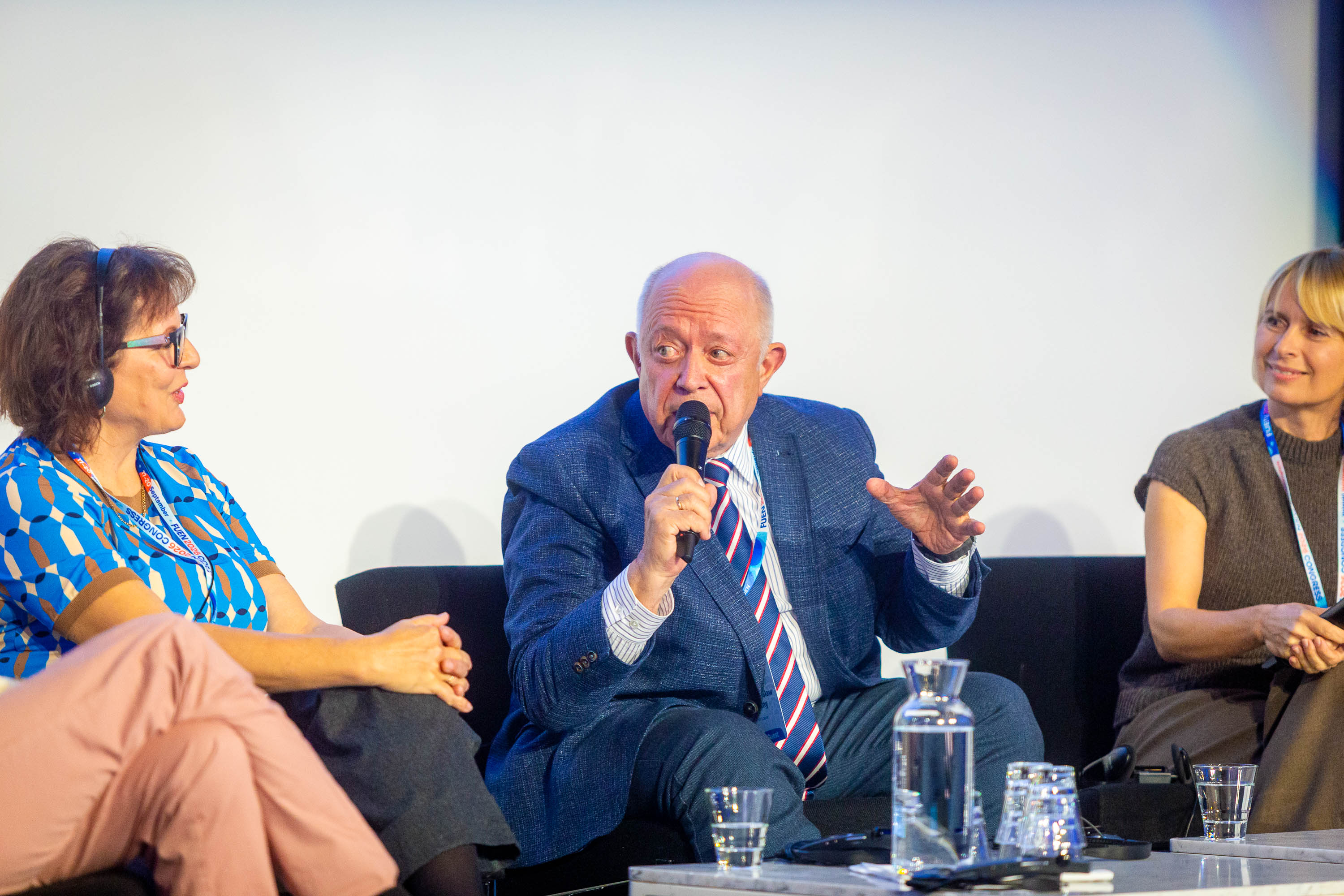
The panel demonstrated that sustaining minority languages requires moving beyond isolated niche broadcasting and actively embedding diversity into the mainstream media landscape. While digital tools, social media formats, and artificial intelligence offer valuable pathways to engage younger audiences, expand archives, and overcome resource constraints, they cannot replace the ethical discernment, authentic cultural nuance, and investigative integrity of human journalists. Ensuring minority communities can tell their own stories on well-funded, stable public-service platforms remains fundamental to fostering democratic cohesion and mutual understanding across European societies.
Пресс релизы
- 8th Annual Meeting of the FUEN Working Group on Education: vocational education, minority languages and AI in focus
- FUEN discussed minority issues with EU institutions in Brussels
- FUEN exhibition opens at the European Parliament: putting minority languages on the European agenda
- FUEN Working Group on Education meets in Eupen: Focus on vocational education, minority languages and AI
- FUEN Assembly of Delegates 2026 calls for greater inclusion of minority languages in artificial intelligence
- FUEN Congress discusses geo-blocking and the protection of minority languages
- FUEN Congress Examines Mother-Tongue Access in Healthcare and Social Services
- 70th FUEN Congress opens in Helsinki/Helsingfors
- For Protection of the Cultural Identity: The Case of the Breton Community in France
- An Existence Under Question: The Case of the Greek-Orthodox Community of Istanbul