












FUEN Congress Examines Mother-Tongue Access in Healthcare and Social Services
18.09.2026Accessing healthcare and social support in one’s mother tongue is not a privilege, but a matter of patient safety, human dignity, and fundamental equality. At the 70th Annual Congress of the Federal Union of European Nationalities (FUEN) in Helsinki/Helsingfors on Thursday, 17 September, healthcare specialists, academic leaders, and language advocates convened to address the critical gaps between official language laws and their practical application in medical and care settings across Europe.
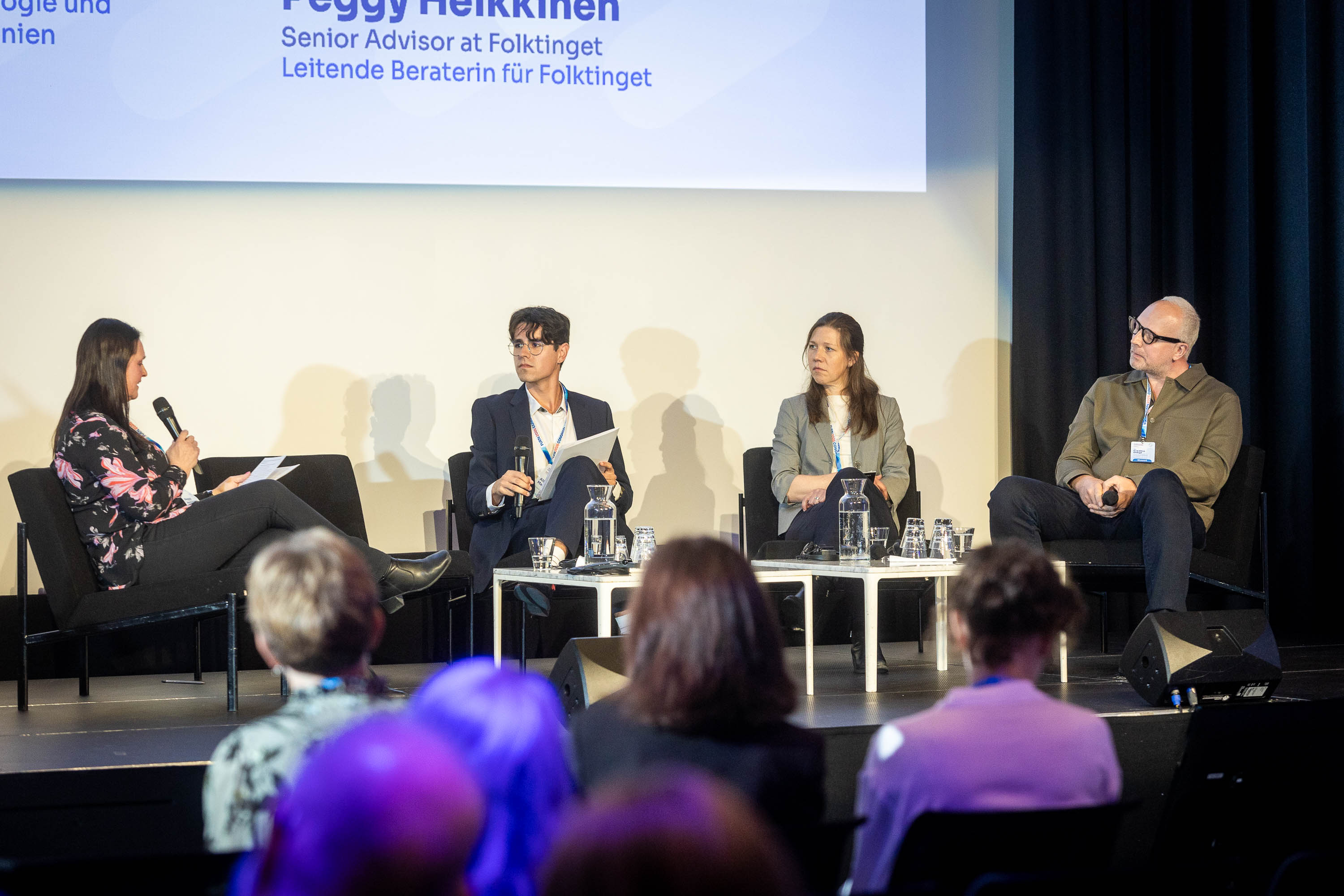
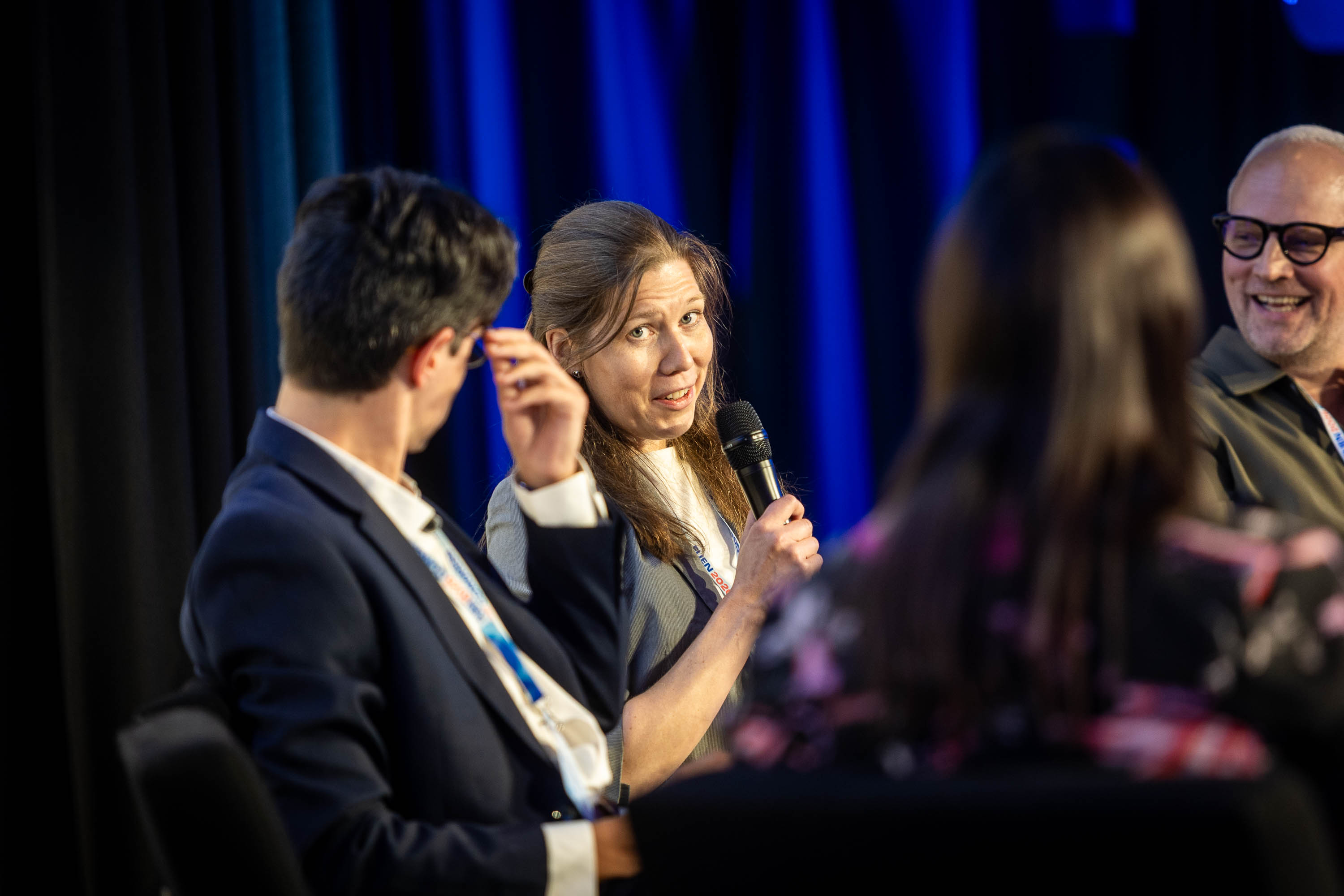
The panel, “Language Planning in Social and Healthcare Services”, moderated by Peggy Heikkinen, Senior Advisor at Folktinget, examined how legal language rights can be translated into accessible healthcare. Representatives of the Swedish-speaking minority in Finland, the Hungarian minority in Romania and the Catalan-speaking community shared their experiences.
Kia Leidenius, Senior Specialist at the Western Uusimaa Wellbeing Services County, stressed that language planning must be integrated into all levels of healthcare administration. Addressing shortages of Swedish-speaking professionals requires management involvement, cooperation between healthcare regions and language training in everyday working routines.
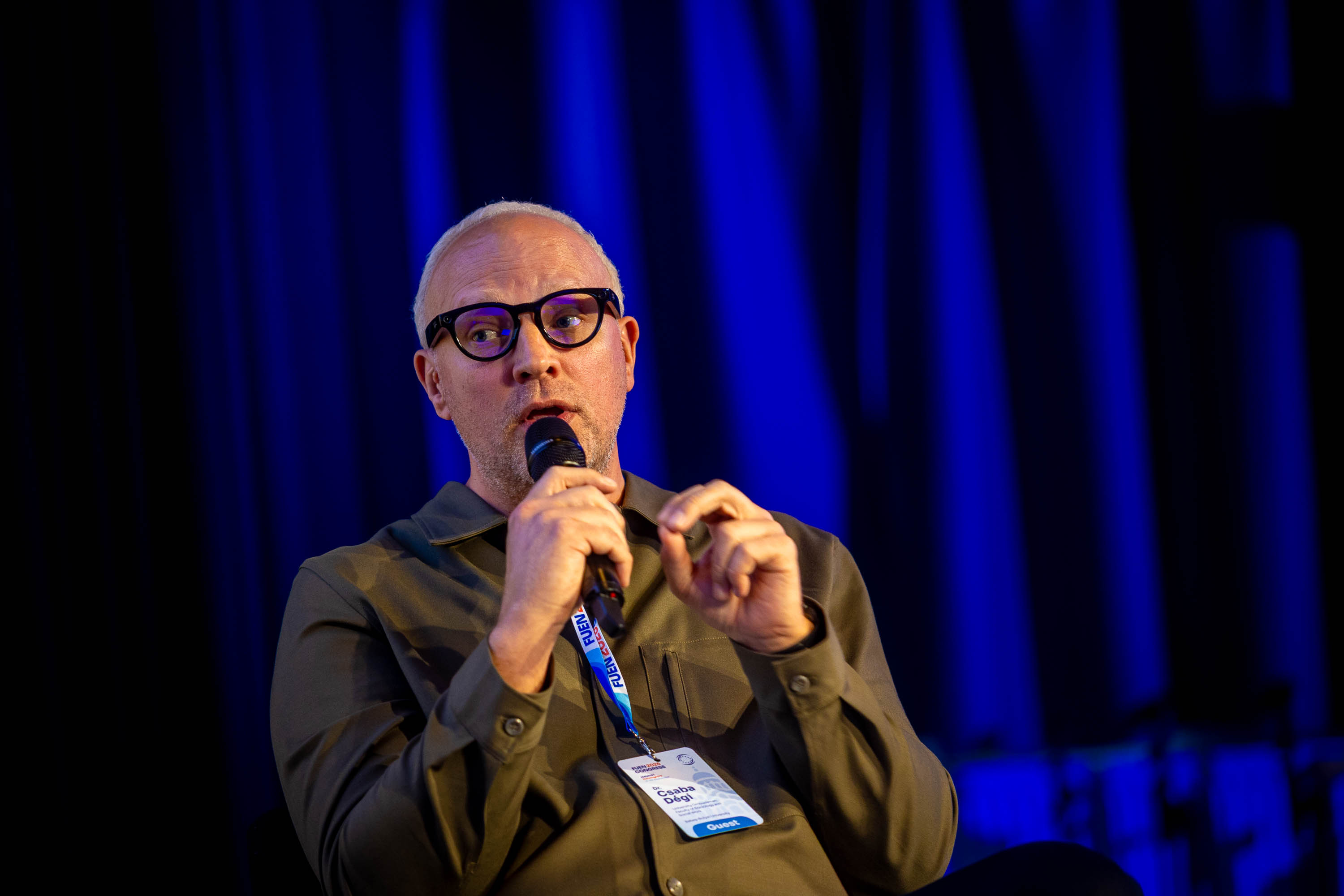
Prof. Dr. Csaba Dégi of Babeș-Bolyai University in Romania highlighted the importance of mother-tongue healthcare for vulnerable patients, particularly those facing serious illnesses such as cancer. “Without a needs-based perspective, the legal perspective is just half of the story”, he stated. He advocated involving minority communities directly in designing healthcare services.
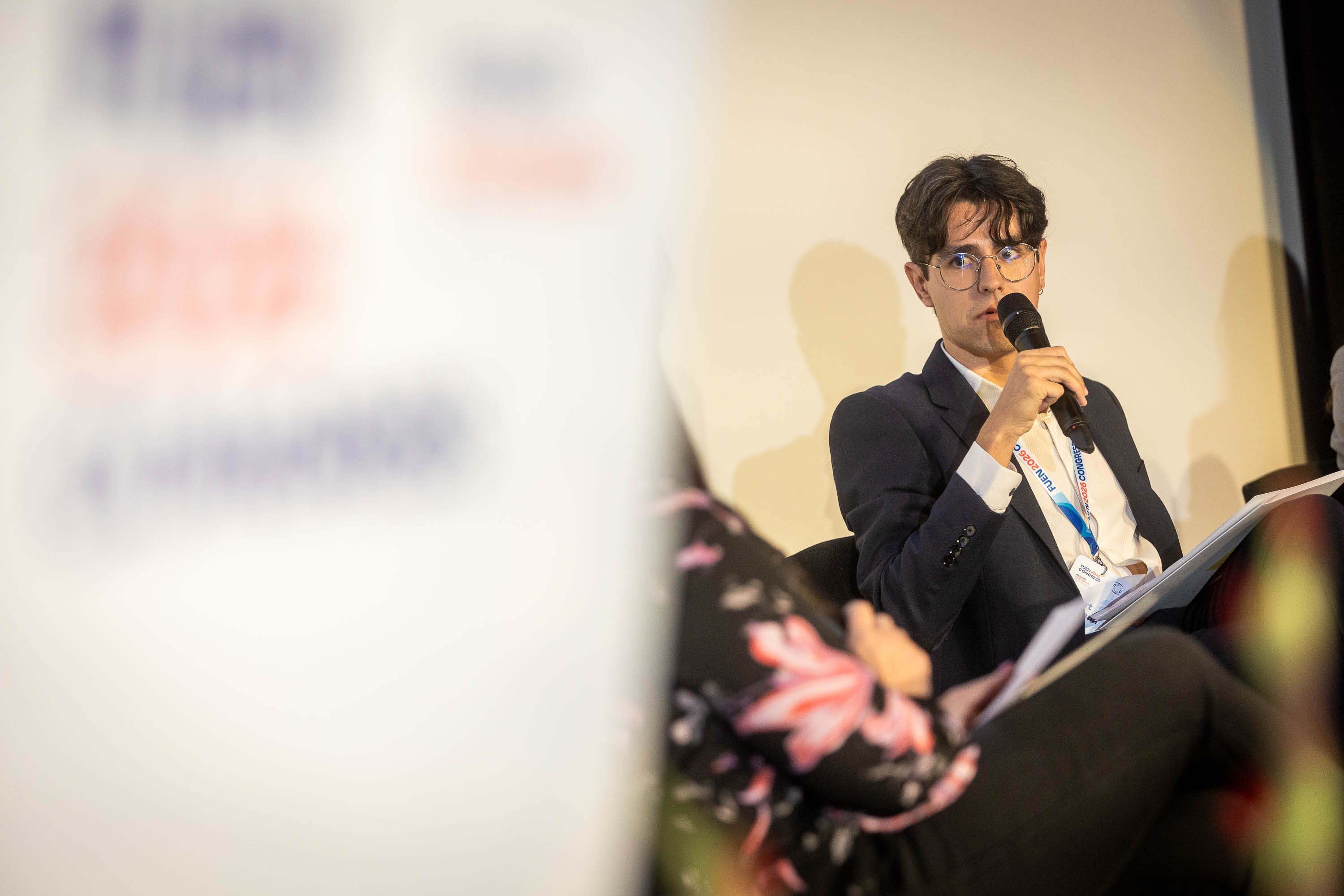
Albert Massana of Plataforma per la Llengua highlighted gaps in the implementation of Catalan language rights in healthcare. He warned that staffing shortages and delayed language requirements can leave patients unable to communicate with medical professionals in their own language. He called for progressive language requirements for newly recruited staff, pointing to Andorra’s regular language assessments as a possible model.
The discussions underscored that constitutional and legal protections remain incomplete unless they are backed by systematic, needs-based implementation. Because language barriers in medical and social consultations can lead to misdiagnoses, acute distress, and compromised care, institutional language planning must be treated as a core clinical standard. Bridging the gap requires healthcare administrators to actively monitor language service delivery, embed practical language learning directly into workplace routines, enforce clear linguistic requirements for incoming personnel, and design care pathways in direct partnership with minority communities.
Пресс релизы
- 8th Annual Meeting of the FUEN Working Group on Education: vocational education, minority languages and AI in focus
- FUEN discussed minority issues with EU institutions in Brussels
- FUEN exhibition opens at the European Parliament: putting minority languages on the European agenda
- FUEN Working Group on Education meets in Eupen: Focus on vocational education, minority languages and AI
- FUEN Assembly of Delegates 2026 calls for greater inclusion of minority languages in artificial intelligence
- FUEN Congress discusses geo-blocking and the protection of minority languages
- FUEN Congress Spotlights the Future of Minority Languages in Public-Service Broadcasting
- 70th FUEN Congress opens in Helsinki/Helsingfors
- For Protection of the Cultural Identity: The Case of the Breton Community in France
- An Existence Under Question: The Case of the Greek-Orthodox Community of Istanbul